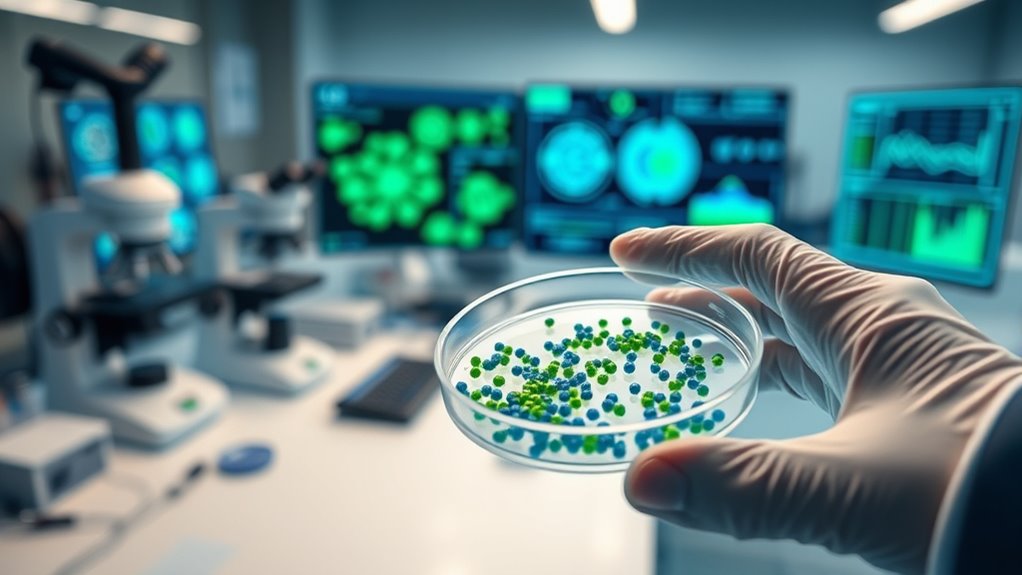

Stem cell therapy for hearing restoration is progressing but still faces many hurdles. Researchers are exploring ways to regenerate damaged inner ear cells, focusing on different types of stem cells and new delivery methods. However, ethical questions and regulatory hurdles slow down clinical trials, and much work remains to guarantee safety and effectiveness. If you want to understand how these advances could impact future treatments, there’s more to discover below.

Get everyday helpers delivered free with Prime
- Fast, free delivery on millions of items
- Prime Video, Amazon Music and more included
- Member-only deals all year
Key Takeaways
- Research shows potential for stem cells to regenerate damaged cochlear cells, but clinical applications are still experimental.
- Ethical and regulatory challenges, especially regarding stem cell sourcing, slow down the development of hearing restoration therapies.
- Advances include generating ethically sourced pluripotent stem cells and improving differentiation into cochlear cell types.
- Innovative delivery methods and gene editing are under investigation to enhance cell survival and integration.
- Long-term safety, efficacy, and ethical considerations remain critical before stem cell therapies become standard treatments.
Hearing loss affects millions of people worldwide, but recent advances in stem cell therapy offer new hope for restoring auditory function. As researchers explore this promising field, you might wonder where we stand today and what challenges lie ahead. While stem cell therapy has shown potential in regenerating damaged inner ear cells, significant hurdles remain before it becomes a standard treatment. One of the primary concerns revolves around ethical considerations. You need to understand that sourcing stem cells—whether embryonic or adult—raises questions about moral implications, consent, and long-term safety. These ethical debates influence not only public perception but also regulatory policies, which can slow down the pace of clinical trials. As scientists continue to develop techniques to generate pluripotent stem cells ethically, discussions about the moral boundaries of such research will persist, shaping the future landscape of hearing restoration. Additionally, understanding the types of stem cells involved and their specific roles could be crucial for advancing the field.
Looking ahead, future research is essential for overcoming current limitations. You should expect ongoing studies aimed at improving the differentiation of stem cells into specific cochlear cell types, such as hair cells and supporting cells, which are indispensable for hearing. Researchers are also investigating delivery methods that maximize cell survival and integration into the existing auditory structures. Advances in gene editing and biomaterials could enhance the precision and safety of stem cell transplantation, making the therapy more effective and less invasive. Additionally, understanding how to stimulate endogenous stem cells within the inner ear could provide alternative, less controversial approaches. As promising as these developments are, you must realize that translating lab results into safe, reliable treatments takes time. Rigorous clinical trials will be essential to evaluate long-term outcomes and side effects, ensuring that future therapies are both effective and ethically sound.
As an affiliate, we earn on qualifying purchases.
Frequently Asked Questions
Are Stem Cell Therapies for Hearing Loss Approved by Regulatory Agencies?
Currently, stem cell therapies for hearing loss aren’t approved by regulatory agencies like the FDA. You should know that treatment guidelines haven’t yet incorporated these therapies, as research is still ongoing. While promising, these treatments haven’t reached the stage of regulatory approval, so you can’t access them as standard options. Keep an eye on updates, and consult with a specialist for the most current and approved hearing loss treatments.
How Long Does It Typically Take to See Results From Stem Cell Treatments?
Imagine it’s 1950, and you’re waiting for a radio to tune in—timelines matter. Typically, you might start seeing results from stem cell treatments within several months, but it varies depending on individual factors. Patient expectations should be realistic; some may notice improvements sooner, while others take longer. Treatment timelines are still being refined, so patience is key, and consistent follow-up with your doctor helps track progress effectively.
What Are the Potential Risks or Side Effects of Stem Cell Therapy for Hearing?
You should know that stem cell therapy for hearing carries some risks. Long-term safety isn’t fully established, so there’s a chance of unforeseen issues over time. Immune reactions are also possible, especially if your body rejects the transplanted cells. It’s important to discuss these potential side effects with your doctor to weigh the benefits against the risks before proceeding with treatment.
Is Stem Cell Therapy Effective for All Types of Hearing Loss?
While stem cell therapy shows promising potential, it doesn’t work equally well for all hearing loss types. You should know that genetic factors and age-related loss influence its effectiveness. Sensorineural loss, caused by nerve damage, often responds better than conductive loss, which involves outer or middle ear issues. So, you need personalized, precise approaches, as success hinges on the specific cause of your hearing impairment.
How Accessible and Affordable Is Stem Cell Treatment for Patients Worldwide?
You might wonder about the accessibility and affordability of stem cell treatment worldwide. Cost barriers and geographic disparities considerably limit your options, especially in low-income regions. While advanced in some countries, many patients face high costs and limited availability elsewhere. To access this promising therapy, you’ll need to take into account these barriers, as they can prevent many from receiving cutting-edge treatments, highlighting the need for broader global efforts to reduce disparities.
Conclusion
While stem cell therapy offers a beacon of hope for hearing restoration, it’s still steering uncharted waters. You stand at the cusp of a breakthrough, where science and possibility intertwine like threads in a tapestry. Though challenges remain, the horizon promises a future where silence may give way to sound once more. Keep your eyes on this evolving journey—because, in the symphony of progress, every note brings us closer to transforming lives.
Fall Picks
fall essentials
As an affiliate, we earn on qualifying purchases.