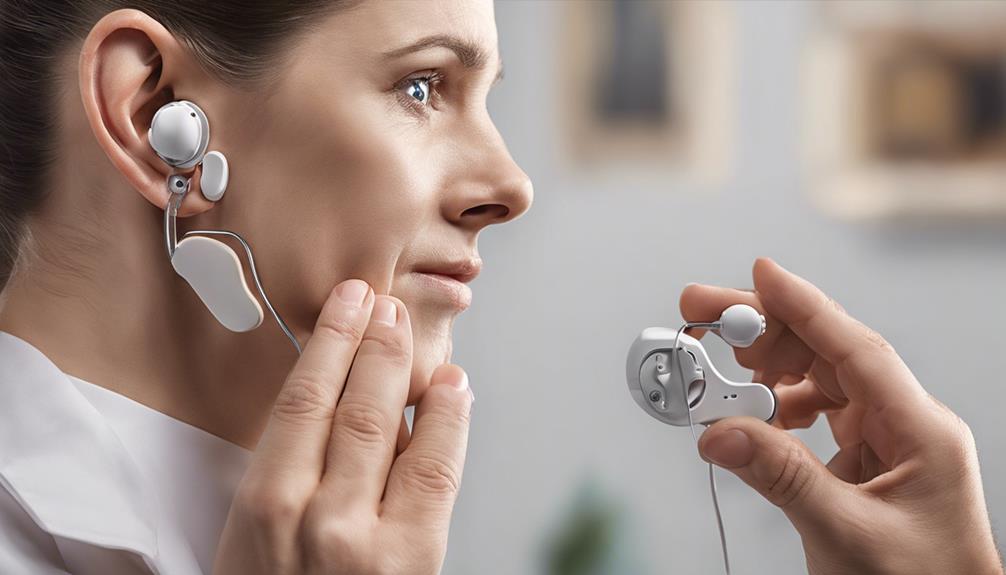
Tinnitus and hearing loss are separate conditions that can each qualify for VA ratings, but you need proper documentation. Tinnitus involves phantom noises like ringing, while hearing loss reduces your ability to hear sounds clearly. Since they have different causes and symptoms, VA often rates them separately if you provide audiological exams and symptom records. Understanding these differences helps you get the full benefits you’re entitled to—keep going to find out more about how to do that effectively.

Get everyday helpers delivered free with Prime
- Fast, free delivery on millions of items
- Prime Video, Amazon Music and more included
- Member-only deals all year
Key Takeaways
- Tinnitus and hearing loss are distinct conditions, each with separate VA rating criteria and documentation requirements.
- Hearing loss is rated based on audiometric testing, while tinnitus ratings depend on severity and impact on daily life.
- Both conditions can qualify for separate VA ratings if symptoms are independently documented.
- Accurate records of symptoms, such as sleep disturbance or concentration issues, support separate VA claims.
- Proper evaluation and detailed medical documentation are essential to establish entitlement for each condition’s VA rating.

If you’re experiencing ringing, buzzing, or other noises in your ears, you might wonder whether it’s tinnitus or hearing loss. Both conditions can be confusing because they affect your ears and can sometimes occur together, but they’re distinct issues. Tinnitus is characterized by phantom sounds—like ringing or buzzing—that aren’t caused by external noises. Hearing loss, on the other hand, involves a reduction in your ability to hear sounds clearly. Understanding the difference is crucial, especially when it comes to VA ratings and treatment options.
Ringing or buzzing in your ears may be tinnitus or hearing loss—know the difference for proper treatment.
Ear damage is a common cause of hearing loss, often resulting from exposure to loud noises or injury. When your ears sustain damage, the delicate hair cells in your inner ear can become compromised, leading to decreased hearing ability. This damage might also contribute to tinnitus, since damaged hair cells can send abnormal signals to your brain, creating those persistent phantom noises. While hearing loss can often be managed with hearing aids or assistive devices, tinnitus may require different approaches, such as sound therapy. Sound therapy involves using external sounds to mask or distract from the ringing or buzzing, providing relief from the distress caused by tinnitus. Additionally, advancements in AI technology are being explored to develop more effective tinnitus management tools.
The VA recognizes hearing loss and tinnitus as separate conditions, and they’re rated differently for benefits purposes. Hearing loss is typically assessed based on audiometric testing, which measures your ability to hear various frequencies and volumes. Tinnitus, however, is rated based on its severity and the level of impact it has on your daily life, often requiring subjective descriptions. If you’re dealing with both, you might qualify for two separate VA ratings, which can maximize your benefits. It’s important to document your symptoms thoroughly—note how tinnitus interferes with sleep, concentration, or work, and keep records of any audiological evaluations for hearing loss.
Addressing ear damage involves not only managing symptoms but also protecting your ears from further harm. Using ear protection in noisy environments and avoiding loud noises can prevent additional damage. For existing ear damage, sound therapy can be an effective way to lessen the perception of tinnitus. It works by introducing calming background sounds, which can reduce the brain’s focus on the phantom noises. While sound therapy won’t cure tinnitus, it can significantly improve your quality of life by making the noises less intrusive. Furthermore, staying informed about new treatment options and emerging research can help you find the most suitable relief strategies.
As an affiliate, we earn on qualifying purchases.
Frequently Asked Questions
How Does VA Differentiate Between Tinnitus and Hearing Loss Ratings?
The VA differentiates tinnitus and hearing loss ratings through auditory assessments and specific rating criteria. For tinnitus, they evaluate the severity and impact on your daily life, often rating it as a 10% disability if present. Hearing loss ratings depend on audiometric testing and how much your hearing ability deviates from normal. You’ll undergo an auditory assessment, and the VA assigns ratings based on the documented severity per the rating criteria.
Can Tinnitus Be Rated Separately From Hearing Loss?
Yes, tinnitus can be rated separately from hearing loss. If you experience ringing or buzzing that’s persistent, you might qualify for a distinct tinnitus rating. You should keep a record of symptoms like sound masking struggles and use ear protection to prevent worsening. When filing your claim, clearly differentiate your tinnitus symptoms from hearing loss issues to ensure you receive the appropriate VA rating for each condition.
What Medical Evidence Is Needed for Separate VA Ratings?
You need solid medical documentation to get separate VA ratings for tinnitus and hearing loss. This includes detailed records from your healthcare provider showing how each condition affects you, along with diagnostic criteria that support your claims. Be sure to obtain audiological tests and medical opinions that clearly distinguish between the two issues, as VA reviewers rely on this evidence to assess your ratings accurately.
Do Both Conditions Require Different Treatment Approaches?
Like two different paths in a forest, your conditions need unique treatments. Hearing loss may require hearing aids to restore clarity, while tinnitus benefits from tinnitus therapy to manage the ringing. You should pursue tailored approaches for each, understanding that what works for one might not suit the other. Consulting your healthcare provider guarantees you get the most effective treatment plan, helping you navigate your auditory challenges.
How Do VA Ratings Impact Compensation for Each Condition?
Your VA ratings directly influence your compensation, with each condition evaluated based on specific rating criteria. While tinnitus and hearing loss are rated separately, their synergistic effects can impact overall disability compensation. Higher ratings mean increased benefits, but VA considers how each condition affects your daily life. Understanding these ratings helps you accurately assess your benefits and guarantees you receive appropriate compensation for both conditions.
Conclusion
Understanding the difference between tinnitus and hearing loss helps you navigate your VA ratings more confidently. Imagine a silent room suddenly filled with a persistent ringing, then picture muffled sounds fading into a distant hum. Recognizing these distinct experiences lets you advocate effectively for the support you deserve. Whether it’s the sharp echo of tinnitus or the quiet fade of hearing loss, knowing the difference keeps you one step ahead on your journey to clarity and care.
Fall Picks
fall essentials
As an affiliate, we earn on qualifying purchases.