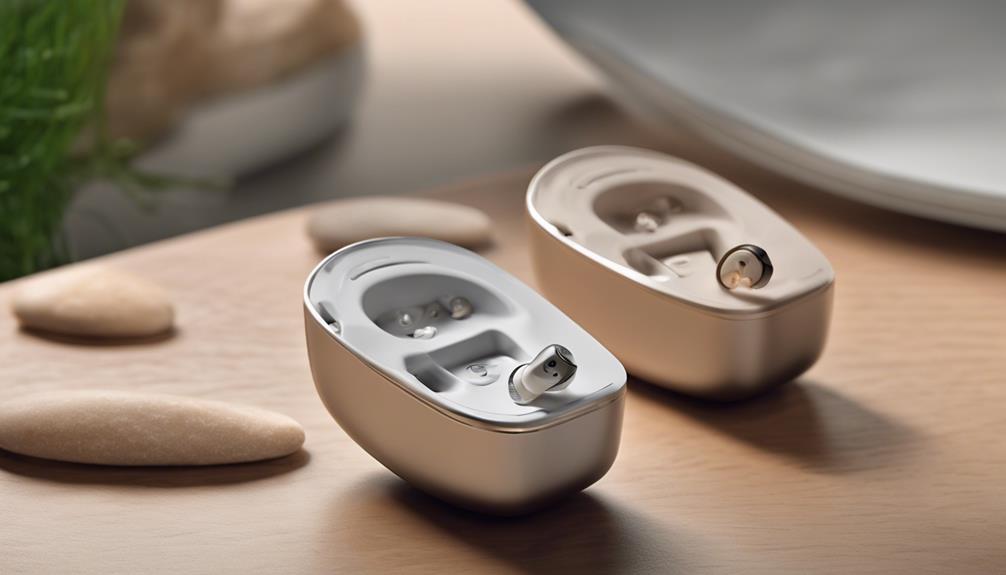
Progressive Tinnitus Management (PTM) is a VA-developed, step-by-step approach that helps you reduce tinnitus impact with personalized therapy and education. It combines sound therapy, cognitive-behavioral techniques, and advanced technology tools to make tinnitus more manageable. By actively engaging in these strategies, you can better cope and improve your daily life. To discover how PTM can work for you and explore the key steps involved, keep exploring further.

Get everyday helpers delivered free with Prime
- Fast, free delivery on millions of items
- Prime Video, Amazon Music and more included
- Member-only deals all year
Key Takeaways
- PTM is a structured, step-by-step approach developed by the VA to help individuals manage persistent tinnitus effectively.
- It combines education, personalized therapies, and modern technology to reduce tinnitus-related distress.
- Core components include cognitive-behavioral therapy and sound therapy tailored to individual needs.
- The model emphasizes patient empowerment, active participation, and ongoing support through digital tools.
- PTM aims to improve daily functioning and quality of life by making tinnitus more manageable.

If you’re struggling with persistent tinnitus, Progressive Tinnitus Management (PTM) offers a structured approach to help you cope. This model, developed by the VA, emphasizes a step-by-step process that combines various therapy options to address your unique needs. Instead of relying on a single solution, PTM guides you through different stages, starting with education and progressing toward more personalized interventions. It’s designed to empower you with tools and strategies that can reduce the impact of tinnitus on your daily life, making it more manageable over time.
One of the key strengths of PTM is its incorporation of therapy options that target both the emotional and perceptual aspects of tinnitus. Techniques like cognitive-behavioral therapy (CBT) help you change negative thought patterns and reduce anxiety associated with the condition. Sound therapy, another essential component, uses specific sounds to mask or habituate your response to tinnitus. These therapies are tailored to your individual experience, ensuring that you’re not just receiving generic advice but solutions that fit your circumstances. The structured nature of PTM keeps you engaged in your treatment plan, making it easier to track progress and stay motivated.
Technology advancements have notably enhanced PTM’s effectiveness. Modern devices and apps now provide sophisticated sound generators and customizable masking options that integrate seamlessly into your daily routine. These tools allow for precise adjustments, giving you control over the sounds you prefer and the environments in which you use them. Additionally, digital platforms facilitate remote consultations and ongoing support, making it easier to stick with your therapy plan no matter where you are. This integration of technology not only increases accessibility but also ensures that your treatment evolves with the latest innovations, optimizing your chances for relief. Incorporating Glycolic Acid in skincare routines has been shown to improve skin texture and help control oil production, which can be beneficial for overall skin health.
Throughout the PTM process, you’ll receive guidance on managing your tinnitus through education about the condition, understanding its triggers, and developing coping strategies. This extensive approach encourages you to take an active role in your treatment, empowering you to incorporate new habits and techniques into your daily life. As you progress, you’ll learn to interpret your tinnitus differently—less as an uncontrollable threat and more as a manageable condition. The VA’s model emphasizes that, with the right combination of therapy options and technology tools, you can improve your quality of life, reduce distress, and regain control over your daily activities. PTM isn’t just about managing tinnitus; it’s about reclaiming your life from its persistent noise.
As an affiliate, we earn on qualifying purchases.
Frequently Asked Questions
How Effective Is the VA Model Compared to Other Tinnitus Treatments?
The VA Model is highly effective compared to other tinnitus treatments, offering better comparative effectiveness and improved treatment outcomes. You’ll find the structured approach helps manage tinnitus symptoms more consistently, combining counseling, sound therapy, and coping strategies. Many patients report reduced tinnitus severity and enhanced quality of life. While individual results vary, this extensive method often outperforms standalone treatments, making it a strong option for those seeking effective tinnitus management.
Can PTM Be Customized for Individual Patient Needs?
Yes, PTM can be customized to meet your individual needs. You might worry that a standardized approach won’t suit you, but the program offers personalization options and patient-specific strategies, allowing your provider to tailor sessions to your tinnitus severity, lifestyle, and preferences. This targeted customization helps improve effectiveness, giving you a more comfortable and practical management plan that fits your unique situation.
What Are the Common Challenges in Implementing PTM?
You might face challenges like maintaining patient engagement and ensuring resource availability. Patients may struggle to stay motivated or apply tinnitus management techniques consistently. Limited access to trained providers or specialized materials can hinder effective implementation. To overcome these obstacles, you need to foster ongoing communication, tailor approaches to individual needs, and secure necessary resources, making sure patients feel supported and engaged throughout their tinnitus management journey.
How Long Does It Typically Take to See Results With PTM?
Think of your treatment journey like planting a seed; results often take time to sprout. Typically, you might start noticing improvements within a few weeks, but it can vary based on individual factors. Timing expectations suggest that consistent engagement with the treatment timeline helps speed progress. Patience is key—commit to each step, and over time, you’ll likely experience a clearer, more manageable perception of your tinnitus.
Are There Any Side Effects Associated With PTM?
You might experience some mild side effects with PTM, but they’re usually temporary and don’t affect your overall patient comfort. Common issues could include temporary feelings of frustration or increased awareness of tinnitus, but these often improve as you progress through the program. Rest assured, PTM is designed to be safe, and your healthcare provider will monitor your comfort and address any concerns promptly to guarantee the best experience.
Conclusion
As you navigate the journey of tinnitus management, remember it’s like tending a garden—each step you take cultivates hope and resilience. The VA model acts as your guiding compass, helping you turn noise into harmony. Embrace this process as a path toward inner peace, where patience and persistence transform chaos into calm. Ultimately, your commitment is the seed, and with care, you’ll find a quiet, peaceful sanctuary blooming within.
Halloween Picks
halloween
As an affiliate, we earn on qualifying purchases.