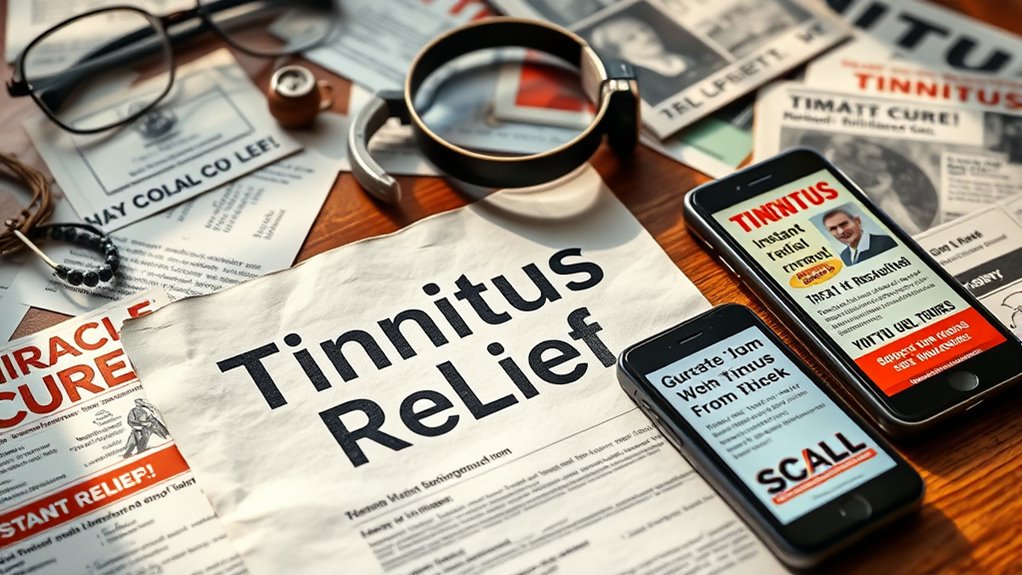

Beware of common tinnitus scams and misinformation that promise quick fixes or miracle cures. Many ads claim you can beat tinnitus overnight or sell overpriced hearing aids and herbal remedies without real proof of effectiveness—these are often misleading or outright scams. Avoid websites pushing unverified treatments or demanding large payments upfront. To protect yourself, always consult qualified healthcare professionals and rely on evidence-based solutions. If you want to uncover more about how to spot these scams, keep going.
Key Takeaways
- Beware of claims promising instant tinnitus cures or quick fixes; these are often scams.
- Avoid hearing aids marketed as miracle cures; proper assessment by professionals is essential.
- Be cautious of herbal supplements and natural remedies lacking scientific evidence or regulatory approval.
- Skeptical of websites promoting unproven therapies or demanding large upfront payments.
- Always consult qualified healthcare providers and verify treatment claims through reputable sources.

Have you ever come across claims promising to cure tinnitus overnight or for a small fee? If so, you’re not alone. Many websites and advertisements prey on those desperate for relief, offering quick fixes that often turn out to be scams. These claims can be tempting, but it’s essential to understand that tinnitus is a complex condition, and there’s no magic cure. Be wary of any promise that guarantees instant relief or claims to work for everyone. Instead, focus on evidence-based treatments and consult with healthcare professionals for guidance.
Some scammers promote hearing aids as a miracle cure for tinnitus, suggesting that simply wearing them will eliminate the ringing. While hearing aids can markedly improve hearing and may reduce tinnitus perception for some, they are not a guaranteed cure. They are designed to amplify external sounds, which can help mask tinnitus in many cases, but they don’t directly treat the underlying condition. Scammers often exploit this by selling hearing aids at inflated prices or claiming they will completely erase tinnitus, which is misleading. Always see a qualified audiologist or ENT specialist to determine if hearing aids are appropriate for you, rather than falling for online ads that promise instant results.
Hearing aids can help mask tinnitus but are not a guaranteed cure.
Another common scam involves herbal remedies and supplements that claim to cure tinnitus naturally. These products often come with testimonials that sound convincing but lack scientific backing. Many herbal remedies are marketed without regulatory approval, meaning their safety and effectiveness haven’t been proven. Some companies exploit your hope for a simple solution by selling “miracle” herbal cures at high prices. Remember, just because something is labeled natural doesn’t mean it’s safe or effective. Always check with your healthcare provider before trying any herbal supplement, especially if it’s promoted as a cure-all for tinnitus. Relying solely on these remedies can delay proper treatment and potentially cause side effects.
Misinformation also spreads through scam websites that promote false cures or suggest unproven therapies like sound therapy or bizarre devices. These often come with glowing reviews and money-back guarantees, but they rarely deliver on their promises. The truth is, managing tinnitus typically involves a combination of sound therapy, lifestyle changes, and sometimes medication—none of which promise overnight results. Be skeptical of any site that pushes unverified treatments or asks for large upfront payments. Additionally, understanding appliance maintenance plans can help ensure your tinnitus relief devices are functioning properly and safely, preventing further issues. Always verify claims through reputable sources, such as medical organizations or licensed healthcare providers, to avoid falling victim to scams.
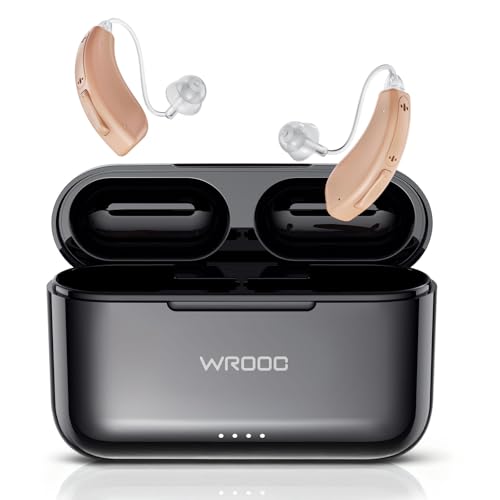
Wrooc Hearing Aids for Seniors Adults: Rechargeable OTC Hearing Aids for Noise-Cancelling, Clear Sound with 38dB Peak Gain, Easy Volume Adjustment, 30Hrs Use & 120Hrs Charging Case for Hearing Loss
- Clear Sound with Noise Reduction: Eliminates whistling, enhances natural audio
- 38dB Peak Gain: Suitable for mild to severe hearing loss
- Quick Recharge in 2 Hours: Provides 30 hours of use per charge
As an affiliate, we earn on qualifying purchases.
As an affiliate, we earn on qualifying purchases.
Frequently Asked Questions
How Can I Identify Genuine Tinnitus Treatment Options?
To identify genuine tinnitus treatment options, look for evidence-based methods like sound therapy, which helps mask ear ringing and reduce its impact. Consult a licensed audiologist or healthcare professional who specializes in tinnitus. Avoid products promising instant cures or miracle results. Trusted treatments are backed by research, so ask about the scientific support behind sound therapy and other approaches. Always verify credentials and seek personalized advice for effective, safe relief.
Are There Proven Natural Remedies for Tinnitus?
Did you know about 30% of tinnitus sufferers try herbal supplements or sound therapy? While some natural remedies might offer relief, evidence remains limited. You should discuss herbal supplements with your doctor before trying them. Sound therapy, which uses external sounds to mask tinnitus, has shown promising results for some. Remember, natural remedies aren’t foolproof, so combining them with proven treatments and professional advice can give you the best chance of relief.
What Red Flags Indicate a Tinnitus Scam?
Red flag indicators of tinnitus scams include promises of instant cures, miracle treatments, or completely risk-free solutions. Scam warning signs also involve high-pressure sales tactics, lack of scientific evidence, and claims that contradict established medical advice. If a product or service guarantees to eliminate tinnitus quickly without side effects, you should be skeptical. Always consult reputable healthcare professionals and verify claims through trusted sources before trying any new remedy.
Can Lifestyle Changes Completely Cure Tinnitus?
Lifestyle changes can considerably reduce tinnitus symptoms, but they might not completely cure it. You should try practices like mindfulness meditation to manage stress, which often worsens tinnitus. Sound therapy can also help you drown out the ringing or buzzing. While these approaches improve your quality of life, consult a healthcare professional for personalized advice, as complete cures are rare and depend on the underlying cause.
How Do I Verify the Credibility of Tinnitus Claims?
You can verify tinnitus claims by checking for scientific evidence supporting them and consulting expert opinions from qualified healthcare professionals. Look for reputable sources like peer-reviewed studies or trusted medical organizations. Be cautious of claims that sound too good to be true or lack credible references. Always question the source, and when in doubt, seek advice from a licensed audiologist or ENT specialist to guarantee you’re getting accurate, evidence-based information.
Conclusion
Be cautious about tinnitus scams—they prey on your hope for quick relief. Did you know that over 60% of people with tinnitus have fallen for false treatments at some point? Stay informed, ask your doctor, and trust proven methods. Don’t let scammers steal your money or peace of mind. By staying vigilant, you can protect yourself from misinformation and find genuine solutions that truly help manage your tinnitus.