
To prepare for a medical visit as a deafblind patient, coordinate with your healthcare provider beforehand to discuss your assistive devices and communication needs. Test your tools, like vibrating alerts or braille note-takers, to guarantee they work properly. Inform staff about your preferences and bring a support person if needed. Using accessible materials and clear communication strategies can make your visit smoother. Keep exploring ways to make sure your needs are understood and met throughout the appointment.
Key Takeaways
- Collaborate with healthcare providers to identify and test suitable assistive technologies before the appointment.
- Inform medical staff of communication preferences and required accommodations in advance.
- Prepare health questions and review information using accessible devices or materials.
- Arrange for sign language interpreters or captioning services if needed.
- Bring a support person or advocate to assist with communication and logistics during the visit.
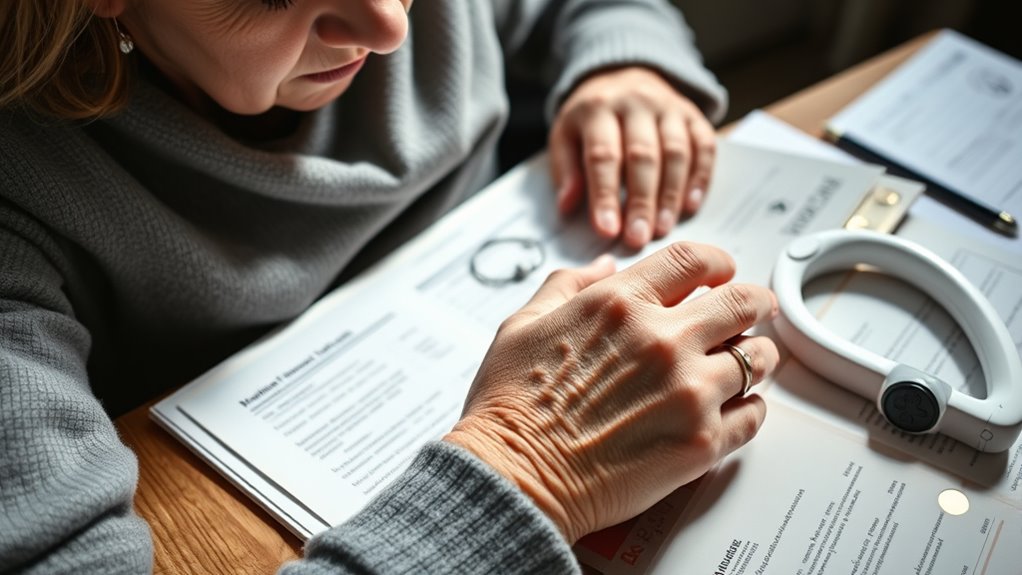
Preparing for medical visits as a DeafBlind patient can feel overwhelming, but with proper planning, you can guarantee your needs are met and your experience is smooth. The key is to leverage assistive technology and develop effective communication strategies ahead of time. Assistive technology can make a significant difference; devices like vibrating alert systems, braille note-takers, or smartphones with specialized apps ensure you stay informed and connected. Before your appointment, consider working with your healthcare provider to identify which tools will work best for you and ensure they’re ready to use. For example, you might use a tablet with a screen reader or a braille display to review your health information or ask questions. Having these tools prepared reduces frustration and helps you participate actively in your care. Additionally, understanding the importance of projector contrast ratio can be useful when selecting visual aids or educational materials, ensuring they are accessible and legible for your needs.
Communication strategies are equally essential. Clear, well-planned communication methods help avoid misunderstandings during your visit. You might choose to work with a sign language interpreter, a Real-Time Captioning service, or a communication board tailored to your needs. Inform the medical staff ahead of time about your preferred communication methods. This allows them to accommodate you properly and ensures the appointment runs smoothly. When you arrive, remind the staff of your communication preferences and ask if they’ve prepared the necessary resources. During the exam or consultation, don’t hesitate to request additional clarification or assistance if needed. Using a combination of assistive technology and effective communication strategies ensures you can fully understand medical advice, ask questions, and express concerns confidently.
Another useful step is to prepare a list of questions or topics you want to address beforehand. This helps keep the conversation focused and ensures nothing important is overlooked. It’s also beneficial to bring a support person if you feel more comfortable having someone assist with communication or logistics. Your support person can help relay information, operate assistive devices, or advocate on your behalf. Make sure to discuss your needs with your healthcare provider in advance, so they’re aware and prepared. This proactive approach creates a more comfortable environment for you and reduces the chance of miscommunication or delays.
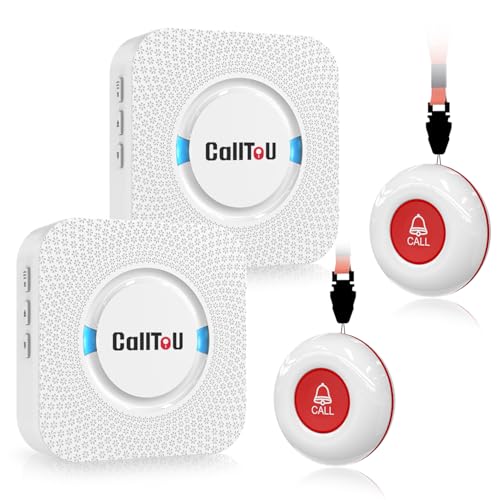
CallToU Wireless Caregiver Pager Smart Call System 2 SOS Call Buttons/Transmitters 2 Receivers Nurse Calling Alert Patient Help System for Home/Personal Attention Pager 500+Feet Plugin Receiver
- Wireless Call System: Includes 2 receivers and 2 call buttons
- Portable Design: Receivers are mobile within 500+ ft range
- Versatile Placement: Receivers plug into outlets; call buttons can be worn or mounted
As an affiliate, we earn on qualifying purchases.
As an affiliate, we earn on qualifying purchases.
Frequently Asked Questions
How Can I Ensure My Doctor Understands My Communication Needs?
You can guarantee your doctor understands your communication needs by clearly explaining your preferred communication strategies and using assistive technology like Braille cards or vibrating devices. Before appointments, share your specific needs and practice key phrases. Consider bringing a communication partner if needed. By proactively discussing your preferences and demonstrating how assistive tools work, you help your doctor provide effective, respectful care tailored to your needs.
Are There Specific Tools to Help Me Navigate Medical Forms?
You can use assistive technology, like screen readers or braille displays, to access accessible forms easily. Many medical providers now offer electronic or large-print forms tailored for diverse needs. Bring a smartphone or tablet loaded with accessible forms or apps that convert text to speech or braille. These tools make maneuvering complex paperwork simpler, ensuring you fill out and understand forms accurately without frustration or confusion.
What Should I Do if My Healthcare Provider Is Unfamiliar With Deafblind Communication?
Did you know over 60% of healthcare providers are unfamiliar with deafblind communication? If your provider isn’t, speak up and request assistive technology or interpreter services. You can bring your own communication tools or suggest resources that may help. It is crucial to advocate for your needs, ensuring clear communication. Don’t hesitate to ask for staff training or to connect with specialists who understand deafblind communication methods.
How Can I Access Medical Facilities That Accommodate Deafblind Patients?
You can access medical facilities that accommodate deafblind patients by researching those with accessible signage and clear wayfinding. Call ahead to confirm they offer assistive technology like tactile or braille maps, communication devices, or interpreters. Seek out clinics known for inclusivity and inquire about their accommodations. Visiting facilities with these features ensures you navigate comfortably and receive the care you need, making healthcare more accessible and less stressful.
Are There Legal Rights Protecting My Communication Preferences During Visits?
Yes, your communication preferences are safeguarded by legal rights like the Americans with Disabilities Act (ADA). You can request assistive technology such as tactile interpreters or Braille materials, and healthcare providers are required to accommodate your needs. While some might worry about enforcement, knowing these legal protections helps you advocate confidently. Always inform your provider beforehand, and don’t hesitate to remind them of your rights to ensure respectful, accessible care.
Conclusion
By preparing ahead, you can turn medical visits into smoother, more comfortable experiences. Some believe that with the right tools and mindset, deafblind patients can navigate healthcare confidently, almost like having a secret superpower. While it might seem like a stretch, evidence shows that proper planning boosts confidence and outcomes. So, trust in your preparation—because with the right approach, you truly can transform challenges into empowering moments.