
If you have retinitis pigmentosa, you might also experience hearing loss because of shared genetic factors. Some people with this condition face both vision and hearing challenges, making early detection important. Getting regular check-ups and working with specialists can help you find the right support, from hearing aids to therapy. Staying informed about these connections guarantees you can manage your overall health better, and more details await to support your journey.

Get everyday helpers delivered free — and shop member deals
- Fast, free delivery on millions of items
- Access to Prime Big Deal Days deals on October 6–7
- Prime Video, Amazon Music and more included
Key Takeaways
- Some individuals with retinitis pigmentosa also experience hearing loss due to shared genetic factors.
- Early detection of hearing issues is vital for effective intervention and rehabilitation options.
- Treatment may include hearing aids, cochlear implants, and auditory training to improve communication.
- A multidisciplinary approach involving ophthalmologists and audiologists ensures comprehensive care.
- Advances in technology and genetic counseling help manage and support those affected by both conditions.

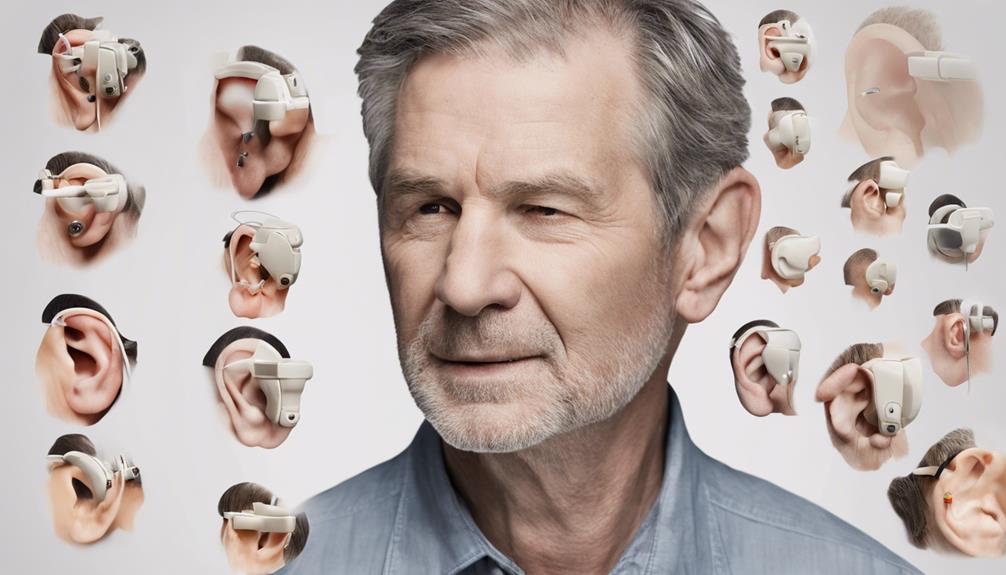
Did you know that some people with retinitis pigmentosa also experience hearing loss? This connection isn’t coincidental. Research suggests there are genetic links between these two conditions, often pointing to inherited syndromes that affect multiple senses. Retinitis pigmentosa primarily targets your vision, gradually causing tunnel vision or night blindness, but in some cases, it’s part of a broader disorder that impacts your hearing as well. These genetic links mean that if you or your family have a history of retinitis pigmentosa, it’s essential to consider the possibility of hearing challenges too. Understanding these genetic links can help you and your healthcare team develop a thorough plan. If hearing loss is present, early diagnosis is critical because it allows you to explore rehabilitation strategies that can improve your quality of life. These strategies might include hearing aids, cochlear implants, or assistive listening devices tailored to your needs. The goal is to maximize your remaining hearing ability and help you stay connected with your surroundings, whether through communication or environmental awareness.
Retinitis pigmentosa may be linked to hearing loss due to shared genetic factors.
Rehabilitation strategies are designed to adapt to your specific situation. For example, if your hearing loss is mild, hearing aids might suffice to amplify sounds and make conversations easier. For more severe loss, cochlear implants could be necessary to restore some auditory function. Speech therapy and auditory training can also play crucial roles, helping you interpret sounds more accurately and improving your communication skills. Additionally, assistive technologies like captioning devices or vibrating alert systems can keep you informed about your environment, especially if your hearing loss affects your safety.
It’s important to recognize that managing both retinitis pigmentosa and hearing loss requires a multidisciplinary approach. Ophthalmologists and audiologists work together to monitor your condition, adjust your rehabilitation strategies, and recommend the appropriate devices or therapies. Regular check-ups ensure that your support system evolves with your needs. Furthermore, support groups and counseling can help you cope emotionally and learn from others who face similar challenges.
While the genetic links between retinitis pigmentosa and hearing loss underscore the importance of early detection, they also highlight the potential for effective intervention. Advances in medical technology and rehabilitation strategies mean that you don’t have to accept a diminished quality of life. By staying informed, seeking timely care, and utilizing available resources, you can maintain your independence and stay engaged with your community despite these dual challenges.
hearing aids for mild hearing loss
As an affiliate, we earn on qualifying purchases.
As an affiliate, we earn on qualifying purchases.
Frequently Asked Questions
Can Retinitis Pigmentosa Cause Other Neurological Symptoms?
Retinitis pigmentosa primarily affects your eyes, but it can sometimes lead to neurological complications like vision-related issues or abnormal eye movements. You might notice symptom overlap, such as difficulty with coordination or balance, which could suggest broader neurological involvement. While rare, some individuals experience other neurological symptoms, so it’s important to consult your doctor if you notice new or worsening signs, to guarantee proper diagnosis and management.
Are There Specific Dietary Recommendations for Managing Hearing Loss?
You should focus on a balanced diet plan that includes nutritional supplements like omega-3 fatty acids, magnesium, and vitamins A, C, and E, which may support hearing health. Avoid excessive salt, caffeine, and alcohol, as they can worsen hearing issues. Staying well-hydrated and incorporating foods rich in antioxidants can also help protect your ears. Always consult with a healthcare professional to tailor dietary choices to your specific needs.
How Does Retinitis Pigmentosa Impact Daily Living Beyond Vision?
Imagine a world where your other senses become your guiding stars. Retinitis pigmentosa impacts your daily life beyond vision, causing mobility challenges and affecting emotional well-being. You might find navigation more difficult, needing assistive devices or support. It can also lead to feelings of frustration or isolation. Staying connected with loved ones and seeking support helps you maintain emotional strength, turning challenges into opportunities for resilience and adaptation.
Are Hearing Aids Effective for All Types of Hearing Loss?
Hearing aids are effective for most types of hearing loss, especially sensorineural hearing loss, but they have limitations. You might find they don’t fully restore hearing in cases of severe or profound loss, and background noise can still be challenging. Additionally, if your hearing loss stems from other causes, such as conductive issues, hearing aids may not be as effective. Always consult an audiologist to determine the best solution for your specific needs.
What Are the Latest Research Developments for Dual Sensory Impairment?
Recent research focuses on genetic therapies targeting dual sensory impairment, aiming to repair or replace damaged sensory cells. Scientists are exploring gene editing techniques like CRISPR to restore vision and hearing simultaneously. Additionally, advancements in sensory integration therapies help improve daily functioning and communication. These developments hold promise for better treatments, offering hope for individuals with combined sensory losses to regain more independence and enhance their quality of life.
Conclusion
Remember, where there’s a will, there’s a way. Knowing the connection between retinitis pigmentosa and hearing loss helps you stay proactive in managing your health. Early detection and support can make a significant difference in maintaining your quality of life. Don’t hesitate to seek medical advice and connect with specialists. By staying informed and vigilant, you can face these challenges with resilience, turning obstacles into opportunities for growth and adaptation.
Fall Picks
fall essentials
As an affiliate, we earn on qualifying purchases.