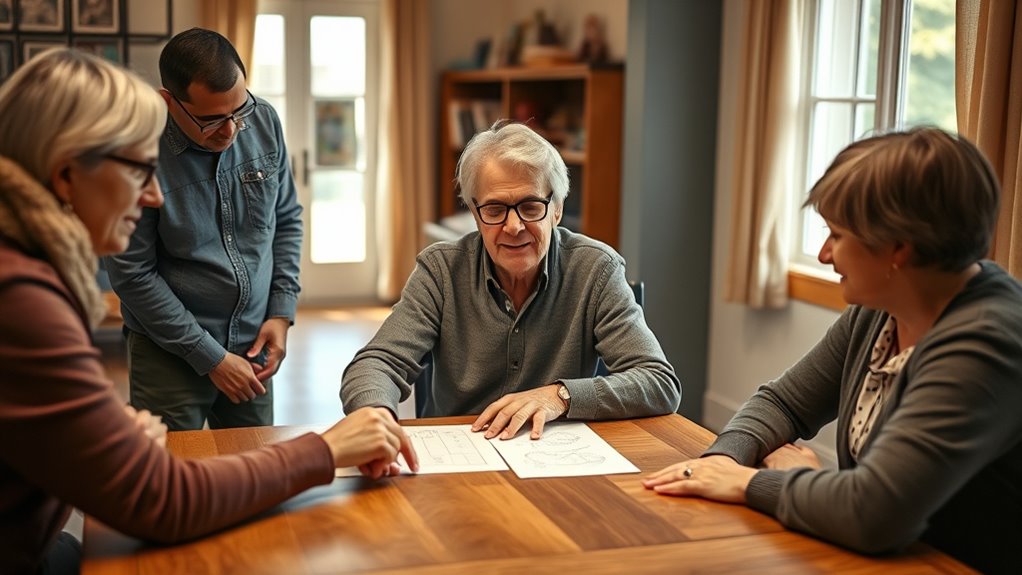

Building a personal support team as a deafblind adult starts with identifying your specific needs and reaching out to trusted friends, family, or support organizations. Consider specialists like orientation and mobility trainers, audiologists, and vision therapists for tailored assistance. Assistive technology can boost your independence, while peer mentors offer emotional support and practical advice. To create a strong team, focus on clear communication and collaboration with professionals. Keep exploring options to build a team that truly supports your independence and quality of life.

Get everyday helpers delivered free — and shop member deals
- Fast, free delivery on millions of items
- Access to Prime Big Deal Days deals on October 6–7
- Prime Video, Amazon Music and more included
Key Takeaways
- Identify trusted individuals and organizations to form a reliable network of support.
- Collaborate with professionals like mobility specialists and communication experts for tailored guidance.
- Incorporate assistive technologies such as tactile alerts and communication apps to enhance independence.
- Engage with peer mentorship groups for emotional support, advice, and shared experiences.
- Clearly communicate personal goals and needs to your support team to ensure effective assistance.
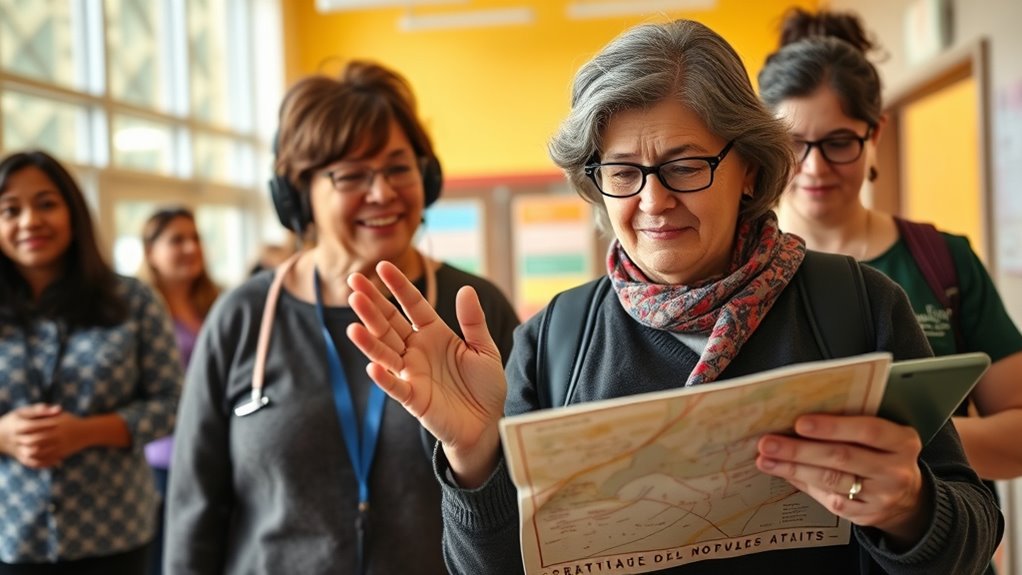
Building a personal support team as a DeafBlind adult is vital for maintaining independence and quality of life. You need a network of trusted individuals and resources to help navigate daily challenges. One of the most effective ways to strengthen this team is by leveraging assistive technology. Devices like refreshable Braille displays, portable tactile alerts, and specialized communication apps can bridge gaps in your sensory perception. These tools empower you to connect with the world more easily, access information independently, and perform daily tasks with confidence. When selecting assistive technology, it’s important to consider your specific needs and preferences. Working with professionals or organizations dedicated to DeafBlind support can guide you in choosing the right solutions, guaranteeing your tools are reliable and easy to use. Additionally, exploring innovative assistive solutions can significantly enhance your independence and adaptability in various environments. Peer mentorship plays a vital role in building your support team as a DeafBlind adult. Connecting with others who share similar experiences provides invaluable emotional support, practical advice, and a sense of community. Peer mentors can teach you coping strategies, introduce you to helpful resources, and offer reassurance when facing unfamiliar situations. They understand firsthand the challenges you encounter and can serve as both guides and friends. Establishing relationships with peer mentors might involve joining local or online DeafBlind communities, attending support groups, or participating in mentorship programs. These connections foster trust and create opportunities to learn from those who have already navigated similar paths. Your support team should also include professionals such as orientation and mobility specialists, audiologists, vision rehabilitation therapists, and sign language interpreters. These experts can help you develop skills to move safely, communicate effectively, and access information. Building relationships with these professionals ensures you receive tailored support that respects your autonomy and enhances your abilities. It’s important to communicate your goals clearly and advocate for your needs, so your team can work collaboratively toward your independence.
As an affiliate, we earn on qualifying purchases.
Frequently Asked Questions
How Do I Find Deafblind-Friendly Support Services Nearby?
You can find deafblind-friendly support services nearby by reaching out to local community resources and organizations dedicated to DeafBlind individuals. Use online directories or social media groups to connect with peer mentorship programs, which offer valuable guidance and support. Contact national associations or local agencies that specialize in DeafBlind services—they often have lists of accessible programs and can help you find the right support network in your area.
What Should I Consider When Choosing a Support Team Member?
Did you know that trust is a key factor in effective support? When choosing team members, prioritize someone with strong trust-building skills and clear role understanding. You should consider their communication ability, experience with DeafBlind individuals, and willingness to clarify roles to avoid misunderstandings. A good support person respects your independence, listens actively, and is committed to your well-being. Trust and role clarity are essential for a successful, supportive relationship.
How Can I Ensure My Team Respects My Independence?
To make certain your team respects your independence, use trust-building strategies like clear communication and consistent expectations. Set boundaries early, explaining what support you want and what you prefer to handle yourself. Regularly check in with your team, reinforcing your needs and rights. By being assertive and open about your boundaries, you foster respect, empowering you to maintain control and independence while receiving the support you need.
What Technologies Assist in Communication With My Team?
Tech tools transform your communication with your team. Sign language apps and video relay services help you share and show your needs clearly. Assistive devices like Braille displays, tactile tablets, and vibrating alert systems keep you connected and confident. These technologies foster seamless, supportive communication, ensuring your team understands your preferences and respects your independence. Embrace these innovations to build a strong, responsive support network tailored just for you.
How Do I Handle Conflicts Within My Support Team?
When conflicts arise, prioritize clear team communication and conflict resolution strategies. Address issues openly and calmly, ensuring everyone’s perspective is heard. Use accessible communication methods, like tactile signing or visual tools, to facilitate understanding. Stay focused on solutions rather than blame, and involve your team in resolving disagreements. By fostering respectful dialogue and emphasizing collaboration, you create a stronger, more supportive environment where conflicts are managed effectively.
Conclusion
With your support team by your side, you’re like a lighthouse guiding you through foggy nights and stormy seas. Their steady presence helps you navigate each challenge, turning obstacles into stepping stones. Together, you create a safe harbor where independence and connection flourish. Remember, building this team isn’t just about assistance—it’s about forging a vibrant, resilient voyage where your strength shines brightly, illuminating the path ahead with hope and confidence.
Fall Picks
fall essentials
As an affiliate, we earn on qualifying purchases.