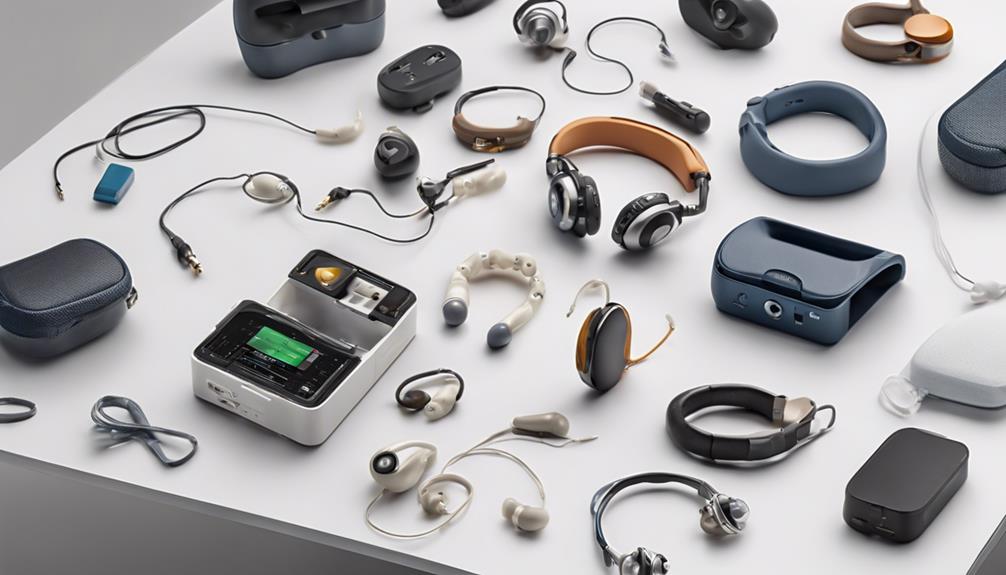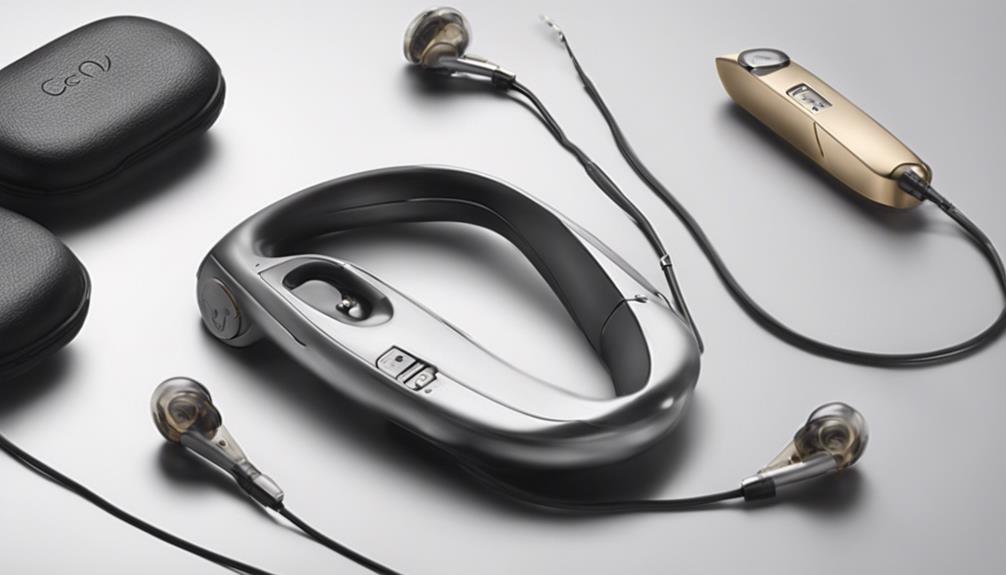

When it comes to enhancing our listening experience, devices such as the Pocketalker, wireless FM systems, and hearing loop systems are top choices to consider.
These devices are designed to improve sound clarity and reduce background noise, making social interactions and everyday activities more manageable for individuals with hearing loss.
Exploring the benefits of these assistive listening devices can open up a world of improved communication and connection for those seeking better hearing solutions.
Key Takeaways
- Personal amplifiers like Pocketalker enhance speech clarity with up to 50dB amplification.
- Hearing loops utilize magnetic technology to improve sound transmission to hearing aids.
- Wireless FM systems offer superior sound quality and reduce background noise for better comprehension.
- Bluetooth devices enable seamless wireless connectivity for enhanced listening experiences.

Williams Sound PockeTalker Ultra DUO Sound Amplifier with Headphone & Earbud
- Includes microphone and listening cord: 12 ft TV listening cord and headset
- Wide acoustic gain range: 20-40 dB amplification
- Long battery life: Up to 100 hours
As an affiliate, we earn on qualifying purchases.
As an affiliate, we earn on qualifying purchases.
Personal Amplifiers
Personal amplifiers, like the Pocketalker, are essential devices for individuals with hearing loss as they amplify sounds up to 50dB, significantly improving speech clarity. These portable and lightweight gadgets are designed to be user-friendly, making them suitable for various listening environments. One significant advantage is their ability to minimize background noise, ensuring a clear audio experience. Additionally, personal amplifiers can be paired with headphones or earbuds, allowing users to customize their listening preferences.
In terms of affordability, personal amplifiers are a cost-effective solution compared to traditional hearing aids, providing immediate assistance in one-on-one conversations. Moreover, these devices excel in helping individuals discern distant conversations, lectures, or performances without undue strain. Whether in a crowded room or a noisy outdoor setting, personal amplifiers prove to be invaluable tools for enhancing auditory experiences and improving communication for those with hearing impairments.
Hearing Loops
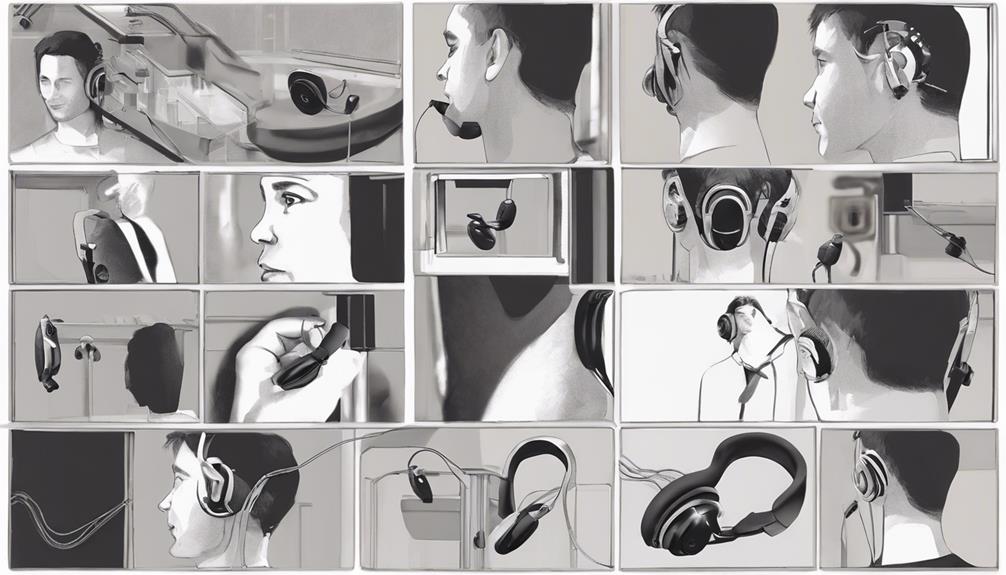
Moving from personal amplifiers to hearing loops, individuals with hearing loss can benefit from a technology that uses magnetic induction loop technology to enhance sound transmission directly to telecoils in hearing aids or cochlear implants. Hearing loops are designed to reduce background noise and improve speech clarity, making it easier for users to focus on the sounds they want to hear.
These systems are cost-effective and commonly found in various settings such as theaters, churches, and public transportation, providing accessibility to individuals with hearing impairments. Users can easily adjust volume levels and customize sound preferences to suit their needs, enhancing their listening experience.
Bluetooth Devices
Bluetooth devices revolutionize audio connectivity for individuals with hearing loss, offering seamless wireless transmission between a variety of compatible devices. These devices, such as Bluetooth hearing aids or cochlear implants, allow for hands-free operation by connecting to smartphones, computers, and other Bluetooth-enabled devices. The technology not only ensures clear sound quality but also provides customizable settings to cater to individual preferences.
One of the key benefits of Bluetooth devices is their accessibility and convenience. By enabling wireless connectivity, users can easily stream audio directly to their hearing aids or cochlear implants without the hassle of cords or additional accessories. This feature enhances the overall listening experience in various environments, from busy streets to quiet living rooms.
Frequently Asked Questions
What Is the Most Commonly Used Assistive Listening Device?
The most commonly used assistive listening device is the hearing loop system. It transmits sound directly to hearing aids via magnetic induction. These systems are prevalent in public venues like theaters, churches, and lecture halls. They provide improved sound clarity, are cost-effective, and easy to install.
Hearing loop systems work by creating a magnetic field that wirelessly connects to telecoils in hearing aids. They're essential for individuals with hearing loss, enhancing their listening experience.
What Devices Are Used to Enhance Hearing?
When it comes to enhancing hearing, various devices play crucial roles. Technologies like personal FM systems, infrared systems, loop systems, Bluetooth, and soundfield systems all contribute to improving sound clarity and reducing background noise.
Each device offers unique features that cater to different listening environments and individual needs. Together, these tools create a comprehensive soundscape that enhances the auditory experience for those with hearing challenges.
Which Electrical Device Helps to Improve Hearing Ability?
Hearing loop systems, which create an electromagnetic field, are the electrical devices that help improve hearing ability. They connect with telecoils in hearing aids, enhancing sound transmission for individuals with hearing loss.
This technology is crucial for accessing assistive listening systems directly and improving speech understanding. Advancements in amplifier technology have made hearing loop systems cost-effective and easy to connect, benefiting users with mild to moderate hearing loss.
What Is a Device That Helps in Hearing?
Assistive listening devices are tools designed to enhance sound clarity for individuals with hearing loss. These devices can include personal amplifiers, FM systems, and hearing loops, which help separate sounds, reduce background noise, and provide alerts through visual or vibration cues.
They play a crucial role in enabling individuals with mild to profound hearing loss to participate more effectively in conversations and activities.
Conclusion
Just as a lighthouse guides ships safely through stormy waters, assistive listening devices illuminate the path to clear communication for those with hearing loss.
Personal amplifiers, hearing loops, and Bluetooth devices serve as beacons of hope, cutting through the noise and bringing clarity to their world.
With these tools in hand, individuals can navigate social gatherings, classrooms, and everyday interactions with confidence and ease, shining a light on a brighter future filled with improved hearing and enhanced quality of life.