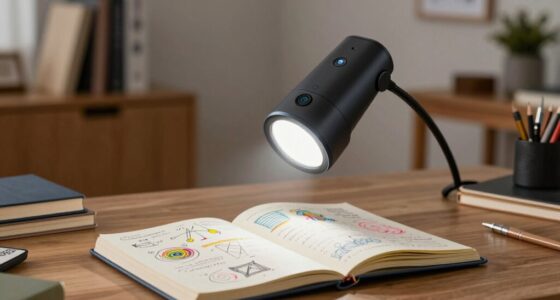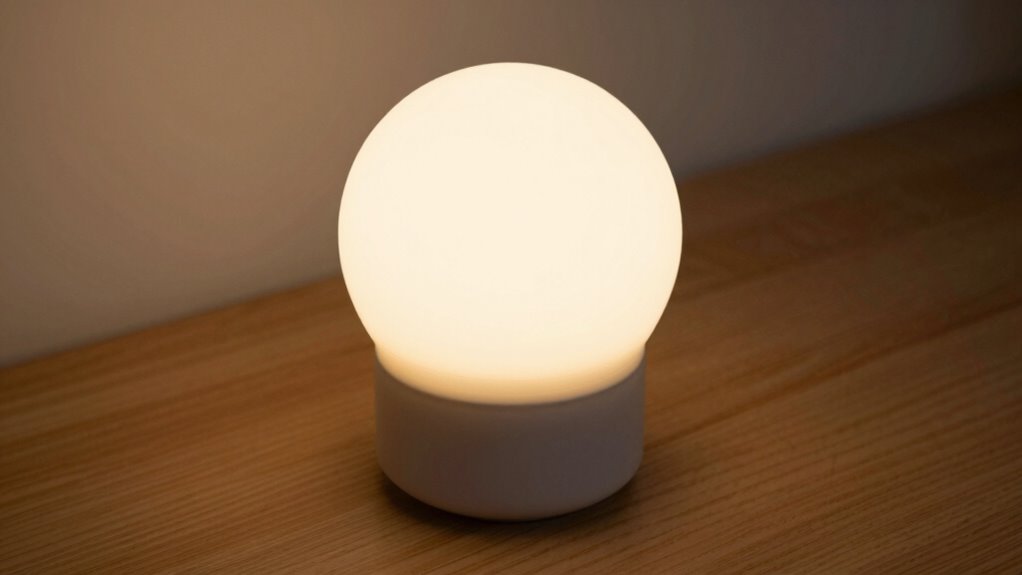

To reduce eye strain, choose high-CRI LED bulbs with a color temperature between 4000K and 5000K, as they provide bright, clear light with minimal glare. Position your lights to avoid shadows and direct reflections, using diffusers if needed. Adjust brightness with dimmers and combine ambient and task lighting for even coverage. Proper bulb selection and placement can make your environment much more comfortable—if you want to learn more, keep exploring the options that work best for your vision needs.
Key Takeaways
- Choose high CRI LED bulbs around 4000K-5000K for bright, contrast-enhancing illumination that reduces eye fatigue.
- Use diffused, glare-free fixtures to minimize harsh reflections and shadows that strain low vision eyes.
- Position lights behind or beside work areas with adjustable brightness and angles for even, comfortable lighting.
- Avoid flickering bulbs and mismatched color temperatures to prevent visual confusion and eye strain.
- Incorporate multiple light sources and dimmers to customize illumination, improving visibility and reducing glare.

DiCUNO ProOE A19 LED Bulbs 60W Equivalent, 3000K Warm White, 806 Lumens 9W LED Light Bulb, High CRI 98, Non-dimmable, 100-240V, E26 Medium Base, Frosted, Pack of 6
【Parameters】DiCUNO ProOE warm white 3000k A19 LED bulb gives out high output of 806 lumen , equivalent to…
As an affiliate, we earn on qualifying purchases.
As an affiliate, we earn on qualifying purchases.
How Lighting Affects Low Vision and Which Bulbs Help
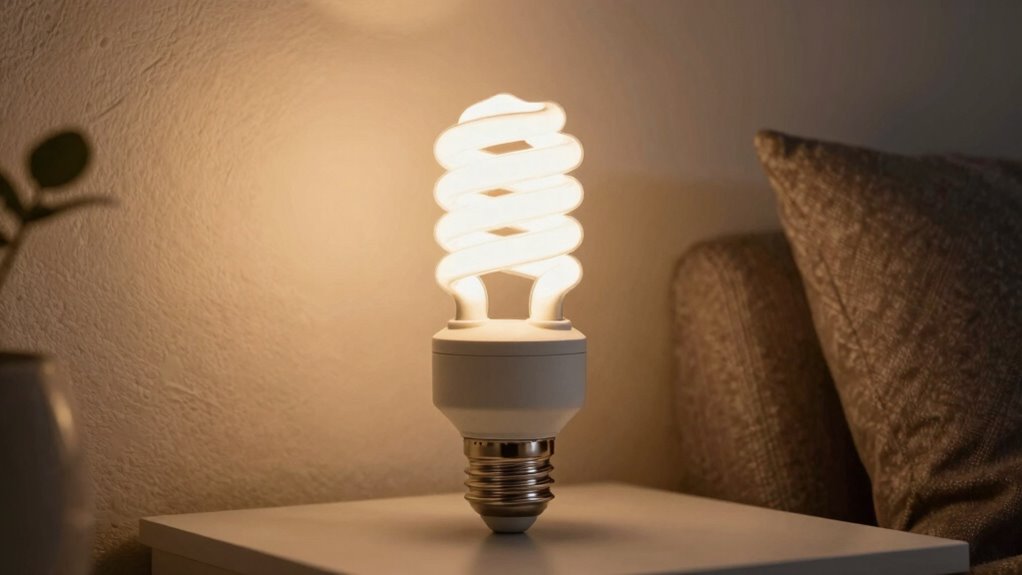
Have you ever noticed how different types of lighting can make a significant difference for someone with low vision? The key lies in understanding how lighting affects visibility and comfort. The color temperature of bulbs influences how well you see details; warmer tones create a cozy feel but may lack clarity, while cooler tones enhance contrast and sharpness. Fixture styles also matter—simple, glare-free designs reduce eye strain. For ideal low vision lighting, choose bulbs with a higher color rendering index (CRI) and a color temperature around 4000K to 5000K. These bulbs provide bright, clear illumination without harsh shadows or glare. Combining the right fixture styles with appropriate bulbs helps you see more clearly and comfortably, reducing eye fatigue and improving your overall visual experience.

LED Desk Lamp for Home Office, Eye-Care Double-Sided Desk Light with Stepless Dimmable Knob Remote, Memory, Adjustable Arm Clip on Light for Video Recording, Zoom Call, Study, Flicker-Free, Glare-Free
Advanced Eye-Care Desk Lamp – Reduce Eye Strain: LitONES LED desk lamp utilizes advanced edge-lit technology, Anti-glare technology…
As an affiliate, we earn on qualifying purchases.
As an affiliate, we earn on qualifying purchases.
What to Look for in Lighting for Low Vision (Brightness, Color, and More)
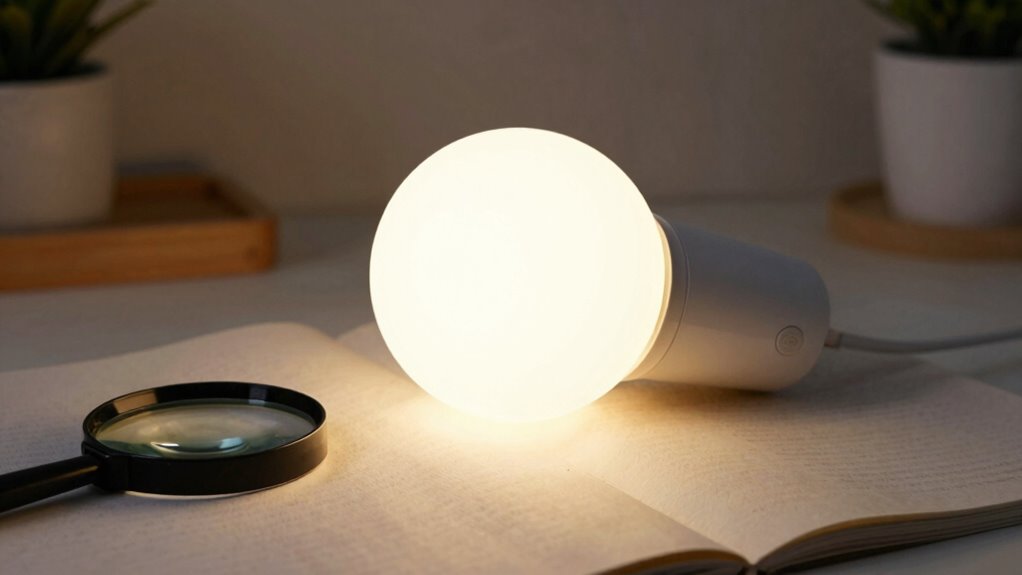
When selecting lighting for low vision, focusing on brightness, color, and other key features is essential to enhance visibility and reduce eye strain. Brightness should be adjustable to prevent glare and fatigue. Pay attention to color temperature; warmer tones (around 2700K-3000K) create comfort, while cooler tones (around 4000K-5000K) improve clarity. Light diffusion helps eliminate harsh shadows and minimizes glare, making objects easier to see. Look for lighting with these qualities:
Choose adjustable, diffused lighting with warm tones to improve visibility and reduce eye strain for low vision.
- Adjustable brightness levels
- Suitable color temperature for your needs
- Diffused light that reduces glare
- Even light distribution to avoid shadows
- Easy-to-control switches or dimmers
In addition, choosing appropriate lighting technology can further enhance visual clarity in low vision environments. An understanding of light quality can help you select the most effective options for your needs. Using lighting with color rendering index (CRI) ratings can also improve the visibility of colors and detail in your environment. Selecting lights that have a high lumen output can ensure ample illumination for detailed tasks. Choosing the right combination of these features ensures better visibility and less eye strain during daily tasks. Incorporating high-quality projector technology can further enhance visual clarity in low vision environments.

Sphoon G40 1.5w Low Wattage Led Bulb Equivalent 15 Watt Standard E26 Base G14 Small Low Power Light Bulb, Frosted, Warm White 2700k, CRI 90+, 150lm, Pack of 2
Small Tips–Our G40 1.5W LED Bulbs offer dim and warm white glow, and could replace 15W incandescent bulbs…
As an affiliate, we earn on qualifying purchases.
As an affiliate, we earn on qualifying purchases.
Best Bulb Types for Better Visibility and Less Eye Strain
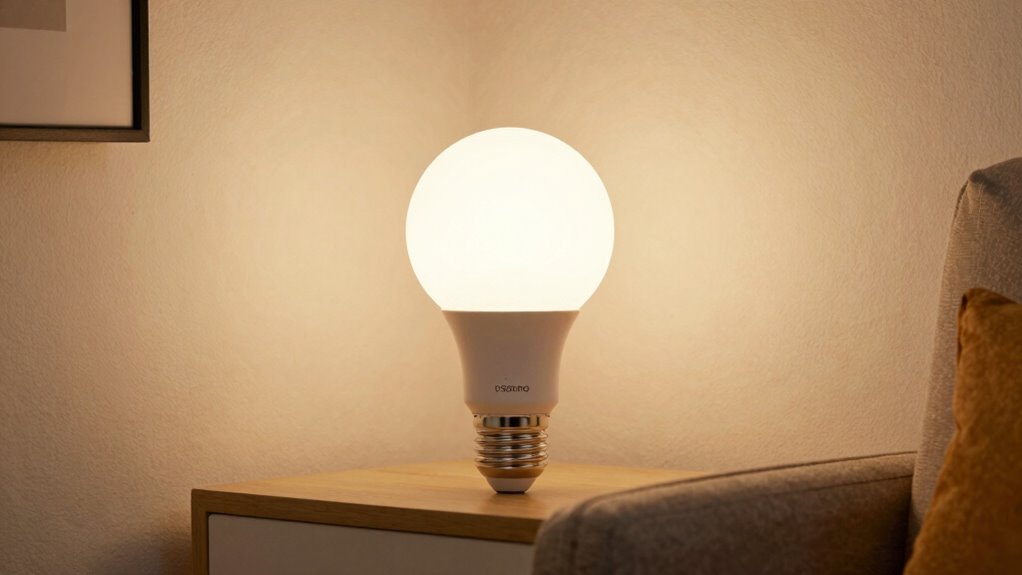
Choosing the right bulb type is essential for maximizing visibility and reducing eye strain for low vision. The best options balance color temperature and energy efficiency, helping you see clearly without glare. Look for bulbs with a color temperature around 3000K to 4000K for warm, natural light that enhances contrast. LEDs are highly energy-efficient and long-lasting, making them ideal choices. Incandescent bulbs provide warm light but are less efficient. Compact fluorescents (CFLs) offer a middle ground but contain mercury. Here’s a quick comparison:
| Bulb Type | Color Temperature | Energy Efficiency |
|---|---|---|
| LED | 2700K-6500K | Very high |
| Incandescent | 2700K-3000K | Low |
| CFL | 2700K-6500K | Moderate |
| Halogen | 3000K | Moderate |
Additionally, choosing bulbs with proper brightness levels can help reduce eye strain and improve overall visibility. Proper lighting levels are crucial because they help minimize glare and shadows, which can be particularly problematic for low vision. Ensuring that the lighting environment is well-balanced with appropriate brightness enhances visual comfort and safety. A proper brightness level ensures adequate illumination and minimizes glare, which is crucial for low vision. Paying attention to lighting customization options, such as dimmers, can further help tailor the light to your specific needs.
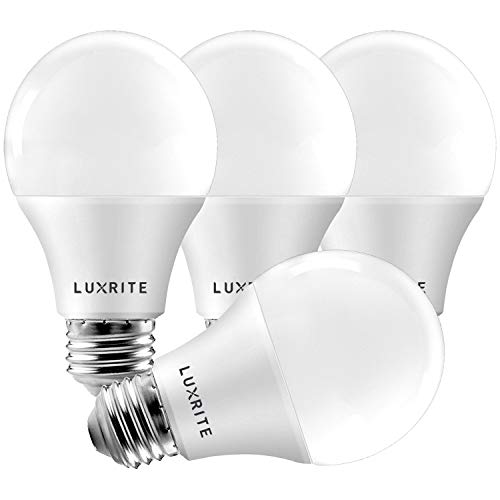
LUXRITE A19 LED Light Bulb 60W Equivalent, 4000K Cool White Dimmable, 800 Lumens, Standard LED Bulb 9W, E26 Base, Energy Star, Enclosed Fixture Rated, Perfect for Lamps and Home Lighting (4 Pack)
✔BRIGHTEST – Giving you 800 lumens of crisp, quality lighting that is perfect for any atmosphere and brighter…
As an affiliate, we earn on qualifying purchases.
As an affiliate, we earn on qualifying purchases.
How to Set Up Your Home and Workspace Lighting for Low Vision
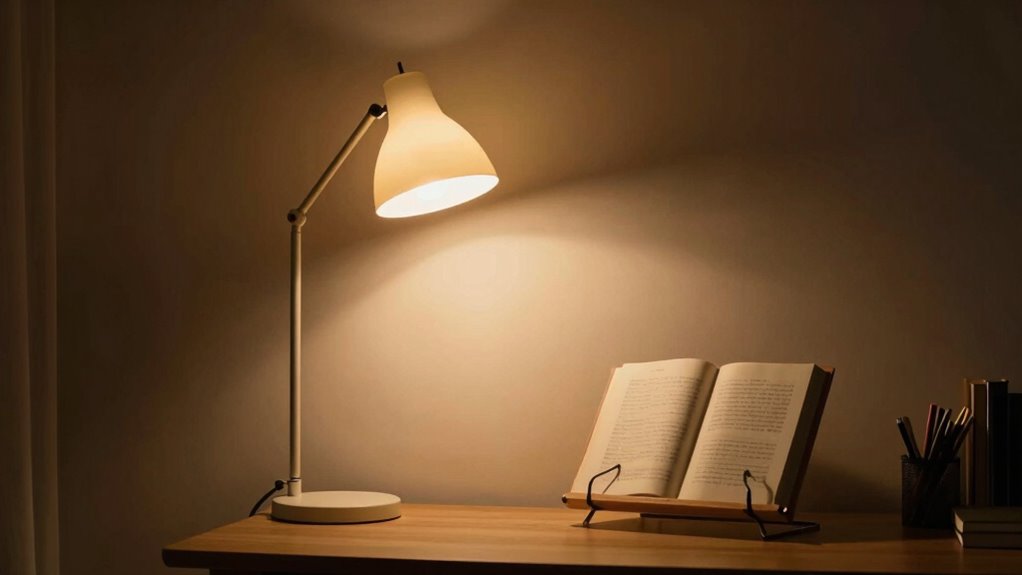
To improve your environment, focus on positioning your lights for even coverage and minimal shadows. Make sure your fixtures are adjustable so you can change brightness levels as needed. Proper setup lets you customize lighting to suit your vision and tasks effectively. Additionally, using appropriate lighting solutions can help reduce eye strain and enhance visual clarity. For optimal results, consider lighting placement that minimizes glare and distributes light evenly throughout your workspace.
Optimal Lighting Placement
Proper lighting placement is essential for maximizing visibility and reducing eye strain for those with low vision. To achieve this, position your light sources to minimize ambient shadows, which can obscure details. Use diffused lighting to create even illumination, avoiding harsh spots that cause glare. Place lights slightly behind or beside your work area to prevent direct glare into your eyes. Keep light sources at different heights to reduce shadow castings. Consider these tips for ideal placement:
- Position lights to evenly distribute light across your workspace
- Use diffusers to soften and spread light effectively
- Avoid placing lights directly in your line of sight
- Adjust height and angle to eliminate harsh shadows
- Combine ambient and task lighting for thorough coverage
- Incorporate appropriate light temperatures to enhance contrast and clarity. Proper placement also involves understanding lighting principles to optimize visibility and comfort. Using adjustable lighting fixtures can help you fine-tune the lighting to suit your specific needs. Additionally, understanding the role of light color and temperature can significantly improve visual contrast and reduce strain. For optimal results, consider the use of specialized bulbs designed to reduce glare and enhance clarity. Proper placement ensures better visibility and less eye fatigue, helping you see clearly with less strain.
Adjustable Brightness Settings
Adjustable brightness settings allow you to tailor your lighting to suit different tasks and times of day, making it easier to see clearly without glare or shadows. Using dimming controls, you can easily lower or increase light levels to reduce eye strain and improve visual comfort. Adjusting the color temperature also plays a crucial role; warmer tones create a cozy atmosphere, while cooler tones enhance focus and alertness. With dimming controls, you can switch seamlessly between bright lighting for detailed work and softer lighting for relaxing activities. This flexibility helps prevent eyestrain caused by overly harsh or inconsistent light. By customizing brightness and color temperature, you create an ideal environment that supports low vision needs and enhances your overall visual experience throughout the day. Incorporating smart lighting technology can further optimize this process by enabling automatic adjustments based on your preferences and ambient conditions, and integrated home automation systems can make these adjustments even more seamless and intuitive. Additionally, understanding lighting design principles can help you position fixtures effectively and avoid glare or shadows that complicate visual tasks, especially when combined with appropriate fixture placement for optimal illumination. Recognizing how lighting environments influence visual clarity is essential for creating comfortable and functional spaces for low vision individuals.
Common Mistakes to Avoid When Choosing Lights for Low Vision

One common mistake when choosing lights for low vision is overlooking the importance of proper positioning. Poor placement can cause glare, shadows, or uneven lighting, making it harder to see clearly. Avoid overly bright lights that create discomfort or strain your eyes. Make sure your lighting is evenly distributed to prevent dark spots. lighting placement plays a crucial role in ensuring optimal visibility and reducing eye strain. Be mindful of color mismatches, which can distort how objects appear and reduce contrast. Also, steer clear of flickering bulbs, as they can cause eye fatigue. Incorporating proper lighting techniques can enhance visual clarity and comfort. Additionally, incorporating smart lighting controls can help optimize lighting conditions for various needs and preferences. Paying attention to lighting design principles can further improve the effectiveness of your lighting setup.
Final Tips for Improving Lighting and Seeing Clearly
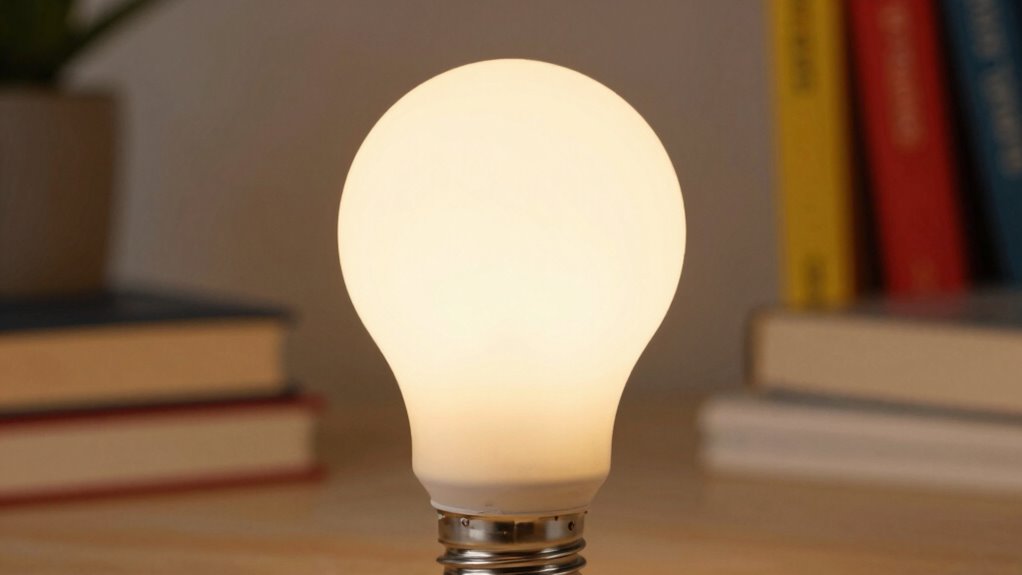
To improve your lighting and see clearly, start by optimizing where you place your lights to reduce shadows. Make sure to choose bulb types that provide bright, consistent illumination without flickering. Ultimately, minimize glare and shadows by adjusting your lighting setup, so your vision stays clear and comfortable.
Optimize Light Placement
Have you ever noticed how the placement of your lights can make a big difference in your ability to see clearly? Proper light placement reduces eye strain and enhances visibility. Position lights to minimize shadows and glare, ensuring ambient diffusion creates a soft, even glow. Use task illumination directly where you need it most, such as reading or crafting, to improve focus. Keep light sources behind you or positioned to the side to avoid direct glare on your work or eyes. Adjust lamps so that light spreads evenly across your workspace. Remember, strategic placement helps balance ambient diffusion with task lighting, enhancing clarity without overwhelming your eyes.
- Avoid harsh, direct light
- Use multiple light sources for even coverage
- Position lamps to reduce shadows
- Keep lights behind or beside your work area
- Adjust height for ideal illumination
Use Correct Bulb Types
Choosing the right light bulb is crucial for low vision lighting because it affects how clearly you see and how comfortable your eyes feel. Different bulb types, such as LED, incandescent, and halogen, use various lighting technologies that influence brightness, color temperature, and glare. LED bulbs are energy-efficient, produce consistent light, and come in adjustable color temperatures to match your needs. Incandescent bulbs offer warm light but are less efficient, while halogen bulbs provide bright, clear illumination with good color rendering. Selecting the appropriate bulb type ensures you get ideal brightness without causing eye fatigue. Pay attention to bulb features like color temperature and lumens to match your environment and tasks, making your space easier to see and reducing eye strain.
Minimize Glare and Shadows
Did you know that minimizing glare and shadows can considerably improve your ability to see clearly? Glare reduction and shadow minimization help reduce eye strain and make details easier to distinguish. To achieve this, position lights to avoid direct reflections on surfaces or screens, and use diffused bulbs that spread light evenly. Adjust the placement of lamps so shadows fall away from your workspace, not across it. Consider using multiple light sources at different angles to eliminate harsh shadows altogether. Keep light fixtures shaded or covered to prevent direct glare. Simple changes like these can make a big difference in how well you see and reduce discomfort.
- Use diffused lighting to soften glare
- Position lights to reduce reflections
- Avoid placing light sources directly in your line of sight
- Incorporate multiple light sources for shadow control
- Adjust fixtures to minimize harsh shadows
Frequently Asked Questions
Can LED Bulbs Impact Eye Health Differently Than Traditional Bulbs?
Yes, LED bulbs can impact your eye health differently than traditional bulbs. They offer longer LED longevity, reducing flickering and harsh glare, which can lessen eye strain. Unlike traditional bulb durability, LEDs produce more consistent light and are less likely to cause eye fatigue. Choosing the right LED bulb with appropriate brightness and color temperature helps protect your eyes, especially when you spend long hours under artificial lighting.
How Does Flicker Rate Affect Comfort for Low Vision Individuals?
Flicker rate considerably impacts your visual comfort, especially if you’re flicker sensitive. When the flicker rate is too low, you might experience eye strain, headaches, or discomfort. Choosing bulbs with a high flicker rate helps reduce these issues, providing a steadier light source. For low vision individuals, minimizing flicker can make tasks easier and more comfortable, so look for lighting options that specify high flicker rates for better visual comfort.
Are Smart Lighting Systems Beneficial for Adjustable Brightness Needs?
Smart lighting systems are highly beneficial for adjustable brightness needs. You can easily customize the lighting to suit your specific vision requirements, reducing eye strain and enhancing comfort. Plus, they promote energy efficiency, helping you save on electricity bills. With smart customization, you gain control over brightness, color temperature, and even scheduling, making your lighting adaptable and more comfortable for low vision needs, all while being energy-conscious.
Do Specific Color Temperatures Help Reduce Glare for Low Vision Users?
Think of your eyes as a lighthouse guiding ships; specific color temperatures can help you navigate better. Cooler temperatures around 5000K often reduce glare, making details clearer and less harsh on your eyes. Warmer tones may create a cozy feel but can cause more glare for low vision users. Adjusting your lighting to ideal color temperature enhances glare reduction, helping you see comfortably and clearly without straining your eyes.
What Safety Considerations Exist When Replacing Bulbs in Sensitive Areas?
When replacing bulbs in sensitive areas, you should verify your electrical wiring is properly grounded and compatible with the new bulb to prevent electrical shocks. Turn off the power before changing bulbs to avoid fire hazards or accidental shocks. Check for any damaged wiring or fixtures, and use bulbs that match the area’s safety standards. Always follow manufacturer instructions and consider consulting a professional if you’re unsure about electrical safety.
Conclusion
By thoughtfully selecting your lighting, you gently illuminate your world, easing the subtle burdens on your eyes. Embrace bulbs that offer soft, clear illumination, and arrange your space to foster comfort and clarity. With mindful choices, you create an environment that softly guides your vision, allowing you to see more effortlessly. Remember, the right light isn’t just about brightness—it’s about nurturing your everyday moments with gentle, effective support.