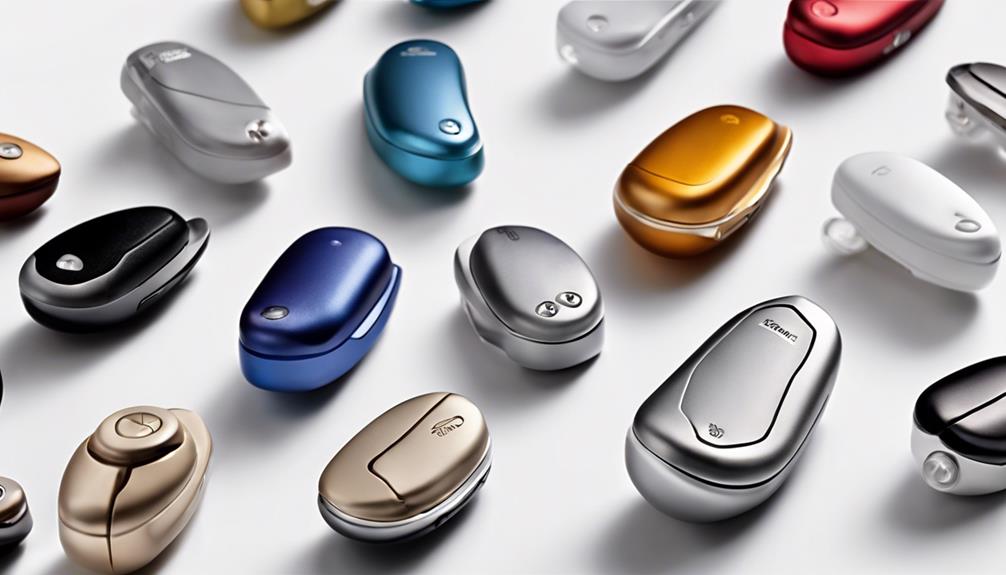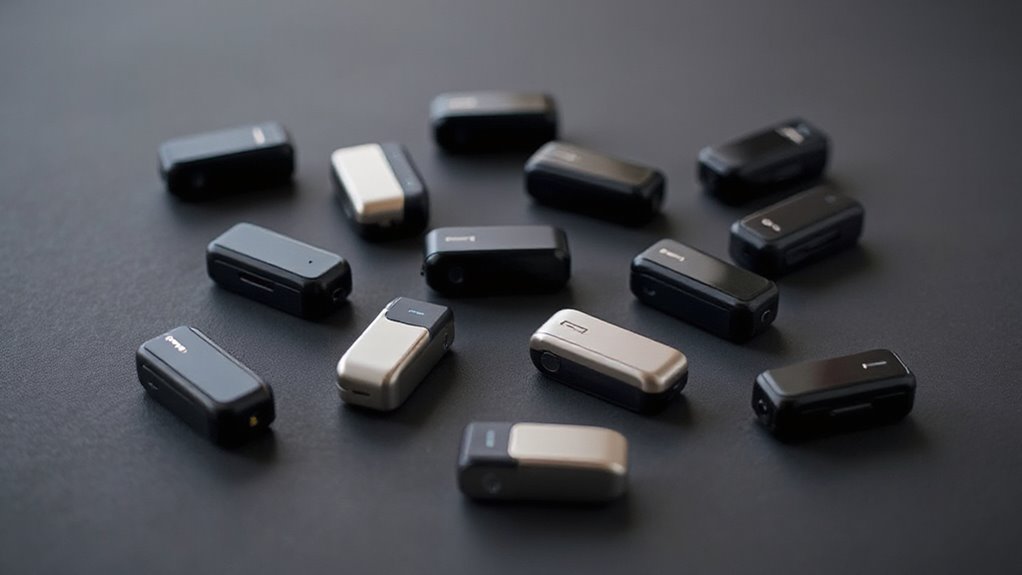

For most buyers seeking a Bluetooth LE Audio transmitter for hearing aids, I’d start with the Avantree Audikast 4 for TV listening, while the Venucast AuraPlex M3 and Creative BT-W6 stand out for assistive listening setups and personal audio sources. The main tradeoff is between a transmitter built for one job—such as connecting a TV or airplane seat—and a system designed to serve several listeners. Compatibility matters just as much: a transmitter’s Auracast support does not mean every hearing aid can receive its broadcast. I also weigh input options, setup clarity, and whether the package includes receivers. Read on for the full comparison and the pick that best fits your listening setup.

Get everyday helpers delivered free with Prime
- Fast, free delivery on millions of items
- Prime Video, Amazon Music and more included
- Member-only deals all year
Complete the kit


Key Takeaways
- TV use leads the lineup: The Avantree Audikast 4 is my best overall fit for shoppers who want a TV-focused transmitter with Auracast and Bluetooth support.
- Group listening calls for a system: The Venucast AuraPlex M3 and Avantree AuraPlex MX pair a transmitter with receivers, which can help when listeners do not all have compatible hearing aids.
- Inputs shape everyday usability: The HomeSpot BA210 v2 offers optical, RCA, and 3.5 mm connections, making it a flexible choice for older and newer audio equipment.
- Travel needs a compact, source-specific pick: The airplane adapter targets seatback audio, while the Voyager HA’s OLED display may help users who want transmitter settings visible at a glance.
- These products are not interchangeable: TV transmitters, airplane adapters, and USB audio transmitters address different sources, so matching the connector and hearing aid compatibility matters more than choosing by feature count.
| Venucast AuraPlex M3 Auracast Assistive Listening System |  | Best for Small Group Listening | Technology: Bluetooth LE Audio Auracast | Included devices: 1 transmitter and 3 receivers | Maximum range: 328 ft (100 m), line of sight | VIEW ON AMAZON | See Our Full Breakdown |
| HomeSpot BA210 v2 Auracast Bluetooth Transmitter with Optical, RCA, and 3.5 mm Inputs |  | Best for Flexible TV Connections | Model: BA210 v2 | Audio inputs: 3.5 mm AUX, RCA, and Toslink Optical | Auracast range: Up to 330 ft (100 m) in open air | VIEW ON AMAZON | See Our Full Breakdown |
| Avantree Audikast 4 Auracast and Bluetooth TV Transmitter |  | Best for Straightforward TV Listening | Connectivity: Bluetooth and Auracast | Audio inputs: Optical TOSLINK and 3.5 mm AUX | Auracast codec: LC3 | VIEW ON AMAZON | See Our Full Breakdown |
| Bluetooth LE Audio Adapter and Auracast Transmitter for Airplanes |  | Best for Travel | Audio interface: 3.5 mm audio | Supported standards: Bluetooth LE Audio, LC3, aptX, aptX Adaptive, and aptX HD | Battery life: Up to 35 hours | VIEW ON AMAZON | See Our Full Breakdown |
| 1Mii NightPair TX Auracast Bluetooth TV Transmitter |  | Best for HDMI ARC/eARC TVs | Audio inputs: HDMI ARC/eARC, Optical/TOSLINK, and 3.5 mm AUX | Wireless range: Up to approximately 100 ft (30 m) in open, unobstructed conditions | Auracast latency: As low as 0.07 seconds | VIEW ON AMAZON | See Our Full Breakdown |
| SUNITEC BT618T Auracast and Bluetooth 5.4 TV Audio Transmitter |  | Best for TV Connection Flexibility | Bluetooth: Version 5.4 | Chip: Qualcomm QCC3086 | Inputs: HDMI ARC, optical TOSLINK, 3.5 mm AUX, microphone | VIEW ON AMAZON | See Our Full Breakdown |
| Avantree Voyager HA Auracast Transmitter with OLED Display |  | Best Compact Personal Pick | Connectivity: Auracast, Bluetooth 5.4 | Audio input: 3.5 mm AUX | Supported codecs: aptX Adaptive, LC3 24K | VIEW ON AMAZON | See Our Full Breakdown |
| Creative BT-W6 Bluetooth LE Audio Transmitter | 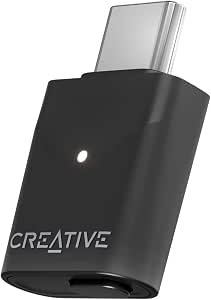 | Best for USB-C Computers and Gaming | Connectivity: USB-C, Bluetooth 5.4, Bluetooth LE Audio | Supported codecs: aptX Lossless, aptX Adaptive, aptX HD, aptX, SBC | Maximum audio resolution: Up to 24-bit/96 kHz with aptX Lossless on supported devices | VIEW ON AMAZON | See Our Full Breakdown |
| Avantree AuraPlex MX Auracast Assistive Listening System (1 Transmitter, 10 Receivers) |  | Best for Group Listening Venues | Connectivity: Auracast, Bluetooth LE Audio | Included components: 1 transmitter, 10 receivers, 10-slot charging dock, cables, power charger, storage bag | Range: Up to 100 m (328 ft) | VIEW ON AMAZON | See Our Full Breakdown |
| bluetooth le audio transmitters for hearing aid | Warranty |
|---|---|
| Venucast AuraPlex M3 Auracast | 2 years |
| HomeSpot BA210 v2 Auracast Blu | 1 year |
| Avantree Audikast 4 Auracast a | 24 months; product registration required for stated return-shipping coverage |
| Bluetooth LE Audio Adapter and | — |
| 1Mii NightPair TX Auracast Blu | 2-year manufacturer warranty |
| SUNITEC BT618T Auracast and Bl | — |
| Avantree Voyager HA Auracast T | 24 months |
| Creative BT-W6 Bluetooth LE Au | One-year limited warranty |
| Avantree AuraPlex MX Auracast | 24 months |
More Details on Our Top Picks
Venucast AuraPlex M3 Auracast Assistive Listening System
The AuraPlex M3 is the most ready-to-share option here: it bundles one transmitter with three receivers and a charging base, which suits a church, classroom, or event that needs to equip several listeners. Its optical and AUX inputs cover common fixed audio sources, while its stated 328-foot range applies to clear line of sight; walls and other obstructions can cut coverage. Compared with the Avantree Audikast 4, which is a compact TV transmitter for listeners bringing their own compatible devices, the M3 includes receivers for a managed listening setup. That convenience comes with a narrow compatibility boundary: hearing aids must support Auracast, and the system is not recommended for stadiums or outdoor events. I’d choose it for a modest indoor venue, not casual solo TV listening.
Pros:- Includes three receivers and a three-slot charging base
- Works with select Auracast-enabled hearing aids and compatible personal devices
- Optical and AUX inputs connect to common wired audio sources
- Stated range reaches up to 328 feet with clear line of sight
Cons:- Hearing aid support is limited to compatible Auracast models
- Obstructions can reduce signal coverage
- Not recommended for stadiums or outdoor events
Best for: Churches, classrooms, and small indoor event organizers who need a transmitter plus several receivers for Auracast listening
Not ideal for: People seeking a personal TV adapter, or venues with large outdoor or stadium coverage needs
- Technology:Bluetooth LE Audio Auracast
- Included devices:1 transmitter and 3 receivers
- Maximum range:328 ft (100 m), line of sight
- Recommended venue capacity:Up to approximately 300 people
- Audio inputs:Optical and AUX
- Compatible devices:Select Auracast hearing aids and Bluetooth devices
- Included accessories:3-slot charging base, audio cables and adapters, power adapters, and Type-C cables
- Warranty:2 years
Our verdict“Choose the AuraPlex M3 when a small indoor venue needs several ready-to-use listening receivers in one system.”
HomeSpot BA210 v2 Auracast Bluetooth Transmitter with Optical, RCA, and 3.5 mm Inputs
The HomeSpot BA210 v2 is a flexible pick for buyers whose TV or audio gear may use different connections: it accepts optical, RCA, and 3.5 mm, and the matching cables are included. Auracast lets it broadcast to multiple compatible listeners, while the QK CastTool app can change the broadcast name and volume. That makes it more adaptable across sources than the Avantree Audikast 4, which has optical and AUX inputs but no RCA. HomeSpot also offers classic Bluetooth codecs, including aptX Lossless, for compatible receivers. Its main catch for TV use is format setup: optical output must be set to PCM, since Dolby and DTS are unsupported. The longer stated Auracast range applies in open air, so I wouldn’t treat it as a guarantee through a home’s walls.
Pros:- Optical, RCA, and 3.5 mm inputs support a broad range of sources
- Includes optical, RCA, and AUX cables
- Auracast broadcast can serve multiple compatible receivers
- App control adjusts broadcast name and volume
Cons:- TV optical output must be set to PCM; Dolby and DTS are unsupported
- Auracast requires compatible headphones or receivers
- Stated 330-foot Auracast range is for open air, not typical indoor coverage
Best for: TV owners and multi-source listeners who need RCA as well as optical or AUX connections and have compatible Auracast receivers
Not ideal for: Buyers whose TV outputs Dolby or DTS over optical and cannot switch to PCM, or who lack Auracast-compatible receiving devices
- Model:BA210 v2
- Audio inputs:3.5 mm AUX, RCA, and Toslink Optical
- Auracast range:Up to 330 ft (100 m) in open air
- Standard-mode range:Up to 165 ft (50 m) line of sight; 50–80 ft (15–25 m) indoors
- Supported audio features:Auracast, aptX Lossless, aptX HD, and LC3
- Controls:Buttons and QK CastTool app
- Display:LED
- Warranty:1 year
Our verdict“Pick the BA210 v2 if you need a versatile set of audio inputs and can confirm your TV and receiving devices support its formats.”
Avantree Audikast 4 Auracast and Bluetooth TV Transmitter
The Audikast 4 keeps a TV setup focused: connect by optical or 3.5 mm AUX, then use Auracast for compatible hearing aids or other listeners, or classic Bluetooth for one headphone or speaker. That single-device limit makes classic mode less suited to shared listening than the HomeSpot BA210 v2, which also has RCA input and app controls. For a household that mainly wants private TV audio, the Audikast 4’s compact form and two listening modes may be enough without extra source flexibility. It uses LC3 for Auracast and supports several classic Bluetooth codecs; firmware can be upgraded. The connection choices are its boundary: an HDMI-only TV will not work, and soundbar passthrough setups are unsupported. I’d check the TV’s output ports before choosing it.
Pros:- Supports both Auracast and classic Bluetooth listening
- Optical and 3.5 mm AUX inputs suit many TV audio outputs
- Auracast works with compatible hearing aids, headphones, and speakers
- Firmware is upgradeable
Cons:- HDMI-only TVs are unsupported
- Soundbar passthrough setups are not supported
- Classic Bluetooth mode connects to one headphone or speaker at a time
Best for: TV viewers with optical or AUX output who want a simple transmitter for a compatible Auracast hearing aid or one Bluetooth headset
Not ideal for: Owners of HDMI-only TVs, unsupported soundbar passthrough setups, or households that need multiple classic Bluetooth connections
- Connectivity:Bluetooth and Auracast
- Audio inputs:Optical TOSLINK and 3.5 mm AUX
- Auracast codec:LC3
- Supported Bluetooth codecs:aptX Adaptive, aptX HD, aptX, and SBC
- Classic Bluetooth connections:One headphone or speaker
- Power source:USB-C, 5 V DC
- Dimensions:2.7 × 2.9 × 2.6 in
- Warranty:24 months; product registration required for stated return-shipping coverage
Our verdict“Choose the Audikast 4 for a direct optical or AUX TV connection when one classic Bluetooth listener or Auracast sharing is enough.”
Bluetooth LE Audio Adapter and Auracast Transmitter for Airplanes
This portable 3.5 mm transmitter is the travel specialist in this group: it plugs into standard or dual-jack airplane audio and runs for up to 35 hours per charge. Its Auracast broadcast can reach multiple compatible devices, while support for Bluetooth LE Audio and LC3 makes it relevant to hearing aid owners whose aids support those features. Unlike the stationary Avantree Audikast 4, this adapter is battery powered and built around a compact plug-in use case. The tradeoff is that it has no optical, RCA, or HDMI input, so it won’t serve as a general home TV hub. Hearing aids need both LE Audio support and Auracast enabled where required; connection may also involve starting playback first. I’d verify aid compatibility before relying on it for a flight.
Pros:- Portable battery-powered design with up to 35 hours of stated battery life
- Includes a dual-prong airplane adapter
- Auracast can broadcast to multiple compatible devices
- Supports LC3 and Bluetooth LE Audio
Cons:- Hearing aids must support LE Audio and Auracast
- Only a 3.5 mm audio interface is listed
- Auracast connections may require starting audio playback before connecting
Best for: Frequent flyers with Auracast-capable hearing aids or headphones who want to use airplane seat audio without a wired listening connection
Not ideal for: Buyers looking for a fixed TV transmitter or hearing aid users whose devices lack Bluetooth LE Audio and Auracast support
- Audio interface:3.5 mm audio
- Supported standards:Bluetooth LE Audio, LC3, aptX, aptX Adaptive, and aptX HD
- Battery life:Up to 35 hours
- Battery:1 included lithium polymer battery
- Battery energy:1.11 Wh
- Charging connector:USB-C
- Installation:Plug and play
- Controls:Push button
Our verdict“Take this adapter for airplane listening if your hearing aids support Auracast and you want a long-running, battery-powered transmitter.”
1Mii NightPair TX Auracast Bluetooth TV Transmitter
The NightPair TX is the most connection-flexible TV pick for sets with HDMI ARC or eARC: it also offers optical and AUX, while Auracast can share sound with multiple compatible listeners. That HDMI option separates it from the Audikast 4, which is limited to optical and AUX. The stated 0.07-second Auracast latency may help keep dialogue aligned with the picture, and an external antenna supports a stated range of up to 100 feet in open conditions. Those figures depend on the setup; walls and wireless interference can shorten range. Traditional Bluetooth low-latency playback also requires matching receiver codecs, and Auracast is an open broadcast that requires compatible receivers. I’d shortlist it for an ARC/eARC TV, but check receiver support before expecting every hearing aid to connect.
Pros:- HDMI ARC/eARC, optical, and AUX inputs provide several TV connection options
- Auracast can serve multiple compatible listeners
- Stated Auracast latency is as low as 0.07 seconds
- External antenna supports a stated open-condition range of up to 100 feet
Cons:- Coaxial audio is unsupported
- Auracast requires compatible receiving devices and supports open broadcasts only
- Bluetooth low latency depends on matching codecs in the receiver
Best for: TV owners with HDMI ARC/eARC who want to broadcast to multiple Auracast-compatible hearing aids or other listeners
Not ideal for: Buyers with coaxial-only audio equipment or hearing aids without Auracast support
- Audio inputs:HDMI ARC/eARC, Optical/TOSLINK, and 3.5 mm AUX
- Wireless range:Up to approximately 100 ft (30 m) in open, unobstructed conditions
- Auracast latency:As low as 0.07 seconds
- Supported Bluetooth codecs:LC3, aptX LL, and aptX Adaptive Low Latency (AD-LL)
- Bluetooth version:6.1; item details also mention 6.2
- Color:Black
- Warranty:2-year manufacturer warranty
Our verdict“Choose the NightPair TX if your TV has ARC/eARC and you have confirmed that your hearing aids or headphones support Auracast.”
SUNITEC BT618T Auracast and Bluetooth 5.4 TV Audio Transmitter
The SUNITEC BT618T suits a living room where the TV setup matters as much as hearing aid compatibility. Its HDMI ARC, optical, and AUX inputs cover more connection types than the Avantree Voyager HA’s AUX-only input, and wired audio passthrough lets a soundbar keep playing while compatible listeners receive a wireless broadcast. That makes it a flexible choice for shared TV viewing. Its Vocal Boost mode may help make speech clearer, though it is an EQ setting rather than a hearing aid adjustment. The main catch is receiver compatibility: Auracast requires a compatible Bluetooth LE Audio device. The stated 100-meter range is for open areas, so I would not treat it as a guarantee through walls or across a home.
Pros:- HDMI ARC, optical, and AUX inputs suit varied TV and audio setups
- Wired soundbar passthrough supports shared listening
- Can broadcast to multiple compatible Auracast devices
- Vocal Boost, Balanced, and Bass Boost EQ modes
Cons:- Auracast broadcasting requires compatible Bluetooth LE Audio receivers
- The advertised 100-meter range applies to open areas
- Plastic enclosure may feel less rugged than a dedicated venue system
Best for: TV viewers who want HDMI ARC or optical connections, soundbar passthrough, and the option to broadcast to compatible Auracast hearing aids
Not ideal for: People whose hearing aids lack Auracast support, or buyers who need a portable transmitter with a battery
- Bluetooth:Version 5.4
- Chip:Qualcomm QCC3086
- Inputs:HDMI ARC, optical TOSLINK, 3.5 mm AUX, microphone
- Codecs:LC3, aptX Adaptive, aptX HD, AAC, SBC
- Maximum audio resolution:24-bit/96 kHz
- Audio output:Stereo, 2 channels
- Wireless range:Up to 100 m (330 ft) in open areas
- EQ modes:Balanced, Vocal Boost, Bass Boost
Our verdict“Choose the BT618T if you need flexible TV connections and soundbar passthrough for Auracast-compatible hearing aids.”
Avantree Voyager HA Auracast Transmitter with OLED Display
At just 6 g, the Avantree Voyager HA is the easy choice to carry between a PC, radio, and treadmill when those sources provide a 3.5 mm AUX output. Its OLED display and touch controls make broadcast status easier to check than on a basic adapter, while private and public modes give the listener more control over who can join. Compared with the SUNITEC BT618T, it gives up HDMI ARC, optical, and soundbar passthrough; in exchange, it is a rechargeable personal transmitter rather than a TV-focused hub. The key limitation is the AUX connection: it needs a wired audio source, and hearing aid streaming still depends on Auracast support in the receiving device. Its small size is most useful for individual listening, not outfitting a group.
Pros:- Very light at 6 g and battery powered
- OLED display shows device status
- Private and public broadcast modes
- Firmware-upgradeable design
Cons:- AUX is the only listed audio input
- Auracast features require compatible receiving devices
- Does not offer the BT618T’s HDMI ARC, optical, or soundbar passthrough
Best for: People who want a light, rechargeable transmitter to move among AUX-equipped personal audio sources and compatible hearing aids
Not ideal for: TV owners who need HDMI ARC or optical inputs, or groups seeking a transmitter with multiple venue receivers
- Connectivity:Auracast, Bluetooth 5.4
- Audio input:3.5 mm AUX
- Supported codecs:aptX Adaptive, LC3 24K
- Audio output:Mono, stereo
- Power:Battery powered; 0.79 Wh lithium polymer battery
- Weight:6 g
- Controls:Touch
- Warranty:24 months
Our verdict“Pick the Voyager HA for portable personal listening if your source has AUX and your hearing aids support Auracast.”
Creative BT-W6 Bluetooth LE Audio Transmitter
The Creative BT-W6 is aimed at a USB-C computer or gaming setup, where its Game Audio Profile and app-based EQ are more relevant than TV inputs. LE Audio Broadcast Mode can reach multiple compatible devices, giving it a route into shared listening with Auracast-ready hearing aids. Compared with the Avantree Voyager HA, the BT-W6 plugs into USB-C instead of using AUX, so it fits a computer conveniently but depends on a compatible port and host. Its codec list is broad, including aptX Lossless, but those higher quality modes need compatible receiving devices and should not be assumed to work with every hearing aid. For a dedicated TV transmitter, the SUNITEC BT618T offers more connection choices and soundbar passthrough.
Pros:- LE Audio Broadcast Mode supports multiple compatible receivers
- Game Audio Profile is designed for low-latency playback
- USB-C plug-and-play connection for supported hosts
- Creative App provides EQ customization
Cons:- Requires a USB-C port on the source device
- Advanced codecs and high-resolution playback need compatible receivers
- Lacks the BT618T’s HDMI ARC and optical TV inputs
Best for: PC, Mac, or gaming console users with USB-C who want LE Audio broadcasting alongside low-latency gaming features
Not ideal for: TV owners without USB-C or hearing aid users who need confirmed compatibility with the transmitter’s advanced codecs
- Connectivity:USB-C, Bluetooth 5.4, Bluetooth LE Audio
- Supported codecs:aptX Lossless, aptX Adaptive, aptX HD, aptX, SBC
- Maximum audio resolution:Up to 24-bit/96 kHz with aptX Lossless on supported devices
- Compatible sources:PC, Mac, gaming consoles
- Compatible receivers:Bluetooth-enabled headphones and speakers
- Weight:1.28 ounces
- Color:White
- Warranty:One-year limited warranty
Our verdict“Choose the BT-W6 for a USB-C computer or gaming setup when low latency and Auracast broadcasting both matter.”
Avantree AuraPlex MX Auracast Assistive Listening System (1 Transmitter, 10 Receivers)
The Avantree AuraPlex MX is the group-listening choice here: one transmitter, ten clip-on receivers, and a charging dock give a church, classroom, or event organizer a ready set for attendees who do not bring compatible hearing aids. Its BYOD support adds another path for listeners with supported Auracast-enabled hearing aids. Compared with the individual Avantree Voyager HA, this is a complete venue system built for multiple listeners, not a pocket transmitter for one person. The tradeoff is reach and compatibility: the stated range is up to 100 meters, but the product data warns against stadiums, outdoor events, and obstructed spaces. BYOD is also limited to compatible hearing aid models, so older or non-Auracast devices need one of the included receivers.
Pros:- Includes ten clip-on receivers and a ten-slot charging dock
- BYOD support for compatible Auracast hearing aids
- Four audio channels support varied listening needs
- Includes transmitter, cables, charger, and storage bag
Cons:- BYOD connection is limited to compatible Auracast hearing aid models
- Not recommended for stadiums, outdoor events, or heavily obstructed spaces
- Bulkier venue kit is less suited to an individual seeking a portable transmitter
Best for: Churches, classrooms, and small event venues that need receivers for attendees alongside BYOD support for compatible hearing aids
Not ideal for: Stadiums, outdoor events, heavily obstructed venues, or organizers expecting older hearing aids to connect directly
- Connectivity:Auracast, Bluetooth LE Audio
- Included components:1 transmitter, 10 receivers, 10-slot charging dock, cables, power charger, storage bag
- Range:Up to 100 m (328 ft)
- Audio channels:4
- Battery weight:2.4 g (lithium)
- Compatibility:Auracast-enabled hearing aids, Bluetooth devices, wired devices via optical/AUX
- Warranty:24 months
Our verdict“Choose AuraPlex MX when a venue needs a multi-listener assistive listening kit with both provided receivers and compatible BYOD access.”

How We Picked
I ranked these products by how clearly each matches a real hearing-aid listening task: TV audio, personal-device audio, travel, or shared assistive listening. I gave weight to source connections, the intended listening environment, setup feedback such as a display, and whether a product includes receivers for people whose hearing aids cannot join an Auracast broadcast. These factors affect whether a device fits into a buyer’s existing setup, not just its feature list.
The Audikast 4 leads for its direct TV focus, while the AuraPlex systems rise for group use because they bundle receivers. The HomeSpot ranks well for connection flexibility; the airplane adapter is a narrower travel pick, and the BT-W6 suits a USB audio path rather than a living-room setup. I treat product names and advertised formats as starting points: buyers should confirm that their specific hearing aids support Auracast reception or plan to use a compatible receiver.
Factors to Consider When Choosing Bluetooth Le Audio Transmitters For Hearing Aids
Before choosing a transmitter, I’d map the audio source to the hearing aid connection first. A TV optical output, a phone’s USB audio, and an airplane headphone jack call for different hardware, even when each product mentions LE Audio or Auracast.
Check hearing aid reception, not just transmitter support
LE Audio and Auracast describe a way to send audio, but your hearing aids still need compatible reception hardware and software. Check the exact hearing aid model and firmware with its maker or audiologist; product-family names can hide differences between generations. If the aids cannot receive an Auracast broadcast directly, a bundled receiver or a manufacturer accessory may be needed. A common mistake is buying a transmitter based only on the words “Auracast” or “Bluetooth LE Audio.” Ask whether the connection goes straight to your aids or passes through another device. That answer determines what you need to carry and configure.
Match the input to the actual audio source
Look at the ports on the device you want to hear before settling on a transmitter. TVs may offer optical audio, analog RCA, or a headphone output, while computers and phones may send audio over USB. Airplane seatback systems often use a headphone jack, so a dedicated travel adapter can be simpler than a TV unit with unused inputs. Check whether your chosen connection lets the source keep playing through its speakers, if that matters to other people in the room. Also verify that the cable or adapter you need is included. A connector mismatch can turn a capable transmitter into a poor fit.
Decide whether you are listening alone or with a group
For one person with compatible hearing aids, a standalone transmitter may cover the need. Shared listening is different: a transmitter and receiver package can support several listeners without assuming everyone has Auracast-ready aids. Check how many receivers are supplied and whether more can be added, since a stated system capacity may not match the included equipment. For public or community settings, ask how the broadcast is started and how listeners find the correct stream. Simpler pairing can matter more than extra input choices when multiple people need help. If the use is occasional, buying a full receiver system may add gear you rarely use.
Consider setup feedback and daily controls
A transmitter becomes frustrating when it is hard to tell which input or broadcast mode is active. A display can make settings easier to inspect, while a simpler TV-focused design may reduce decisions for a one-time setup. Think about who will reconnect the device after a power interruption and whether the controls are clear to that person. Check how it is powered and where it will sit near the source; a small unit still needs an accessible outlet or USB port. For travel, physical size and cable handling matter more than a display. Choose the interface that fits the routine you will actually follow.
Pay for flexibility only when you will use it
Multiple inputs and receiver bundles can solve real compatibility problems, but each adds equipment and setup choices. A buyer with one modern TV may prefer a focused transmitter over a system meant for several sources or listeners. By contrast, households with older audio gear may benefit from optical, RCA, and 3.5 mm options in one unit. Premium features make the most sense when they remove a known obstacle, such as serving a group or switching between devices. Before paying for extras, list the sources and listeners you need to support now. That list helps distinguish useful flexibility from unused capability.
Frequently Asked Questions
Will any Auracast transmitter connect directly to my hearing aids?
No. Your hearing aids need to support Auracast reception, and compatibility can depend on the exact model and software version. Check with the hearing aid manufacturer or your audiologist before buying. If direct reception is unavailable, a compatible receiver or hearing aid accessory may bridge the connection. Confirm that the proposed setup works with the transmitter’s broadcast format.
Can I use a TV transmitter with an airplane headphone jack?
Sometimes, but a TV transmitter may not be designed for the airplane use case or its connector. Compare the airplane adapter’s intended input and portability with a TV unit’s power and cable needs. A dedicated airplane adapter is usually easier to pack and connect at a seat. Check whether your flight’s audio jack needs a dual-plug adapter. Also confirm that the device can send audio to your hearing aids or the receiver you plan to use.
Do I need a transmitter that includes receivers?
You may not if every listener’s hearing aids can receive the Auracast broadcast directly. Receivers are useful when some listeners have older hearing aids, use headphones, or need a separate listening device. The AuraPlex systems in this roundup are aimed at shared listening and include receivers as part of the system. Check how many are included and whether each listener has the right earphones or hearing aid connection. A receiver bundle adds flexibility, but also means more devices to charge, distribute, and keep track of.
What should I check before connecting a transmitter to my TV?
First, identify the TV’s audio output—optical, RCA, or 3.5 mm—and choose a transmitter that accepts it. Then check whether the TV can output audio to the transmitter while keeping its built-in speakers active, if that is important in your household. Some televisions require a setting change to select digital audio format or external output. Confirm the cable type and power arrangement before mounting or placing the transmitter. These checks can prevent a setup that broadcasts successfully but leaves other viewers without sound.
Should I choose a multi-input unit if I only need TV audio today?
Not automatically. A focused TV transmitter can be easier to set up when one source is all you need, while multiple inputs help if you expect to connect older equipment or switch sources. Consider whether the extra ports solve a likely future need or simply add choices you will not use. If your TV connection is unusual, flexibility may save you from buying another device later. Compare the included cables and controls as well as the input list. Pick based on your actual devices and routine.
Conclusion
For most TV listeners, I recommend the Avantree Audikast 4 as best overall because its role is centered on television audio. The HomeSpot BA210 v2 is my best value-style pick for buyers who need several kinds of TV input in one transmitter. Beginners setting up a straightforward TV connection may prefer the focused Audikast 4; its simpler use case is easier to match than a group system. For premium shared listening, consider the Avantree AuraPlex MX with its transmitter and ten receivers, while the Venucast AuraPlex M3 is another assistive listening option. Choose the airplane adapter for seatback audio, the BT-W6 for USB audio, or the Voyager HA if an OLED display suits your setup. Before deciding, confirm how your specific hearing aids will receive the broadcast.