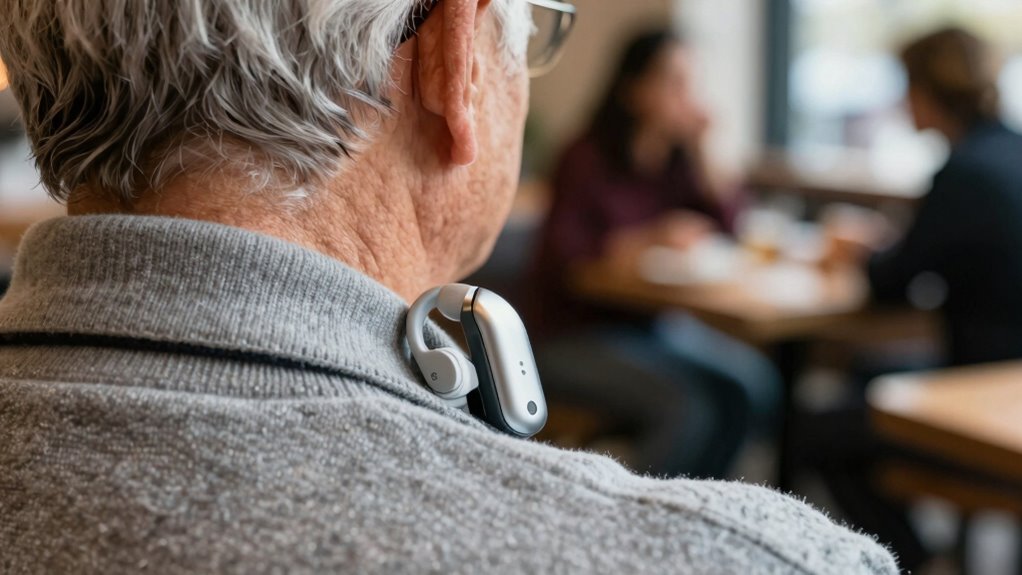

A personal amplifier makes more sense than a hearing aid when you need a budget-friendly, immediate solution for specific situations like conversations or social gatherings. They’re easy to use, don’t require professional fitting, and are often less conspicuous. Plus, if your hearing needs fluctuate or you prefer targeted help without a long-term commitment, amplifiers offer flexible support. Keep exploring to find out how these devices can suit your lifestyle and hearing preferences.

Get everyday helpers delivered free — and shop member deals
- Fast, free delivery on millions of items
- Access to Prime Big Deal Days deals on October 6–7
- Prime Video, Amazon Music and more included
Key Takeaways
- When affordability is a concern, personal amplifiers are a cost-effective alternative to expensive hearing aids.
- For temporary or situational hearing support, amplifiers offer immediate, convenient use without professional fitting.
- If discreetness and avoiding stigmas are priorities, amplifiers resemble everyday devices and are less noticeable.
- When user independence is preferred, amplifiers can be purchased and operated easily without ongoing professional adjustments.
- In environments like social gatherings or restaurants, targeted amplification with personal devices is often more practical.
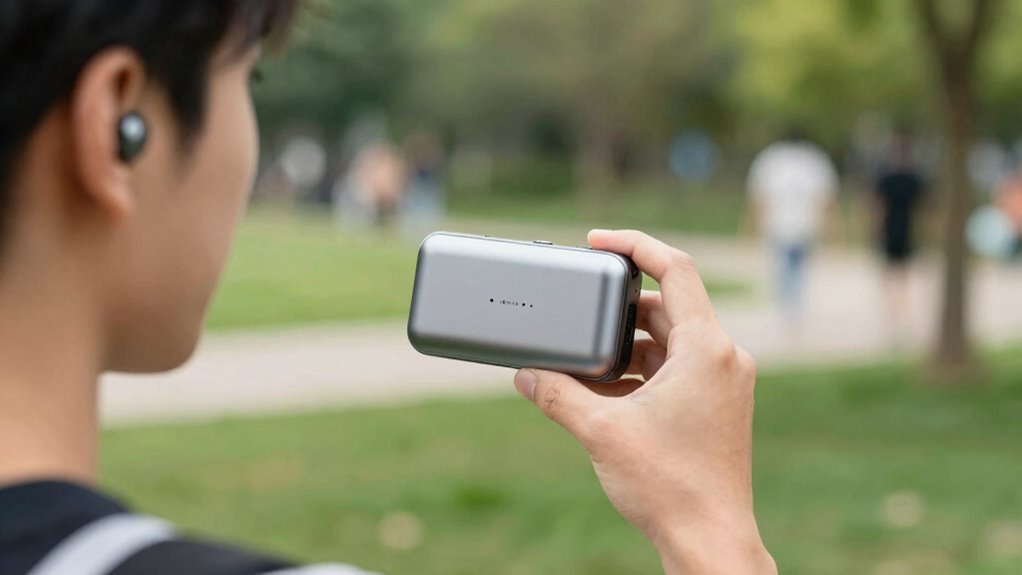
When it comes to improving your hearing, choosing the right device can be overwhelming. With so many options available, it’s essential to understand when a personal amplifier might be more suitable than a traditional hearing aid. Personal amplifiers often appeal to those who want a simple, affordable solution without the complexities of medical devices. One of the main factors to weigh is the cost comparison. Hearing aids tend to be considerably more expensive, sometimes costing thousands of dollars, and are usually not covered by insurance. In contrast, personal amplifiers are generally much more affordable, making them accessible for individuals who aren’t ready to commit to a costly medical device or who want a temporary solution. These devices provide a practical way to enhance hearing in specific situations without a hefty financial investment.
Another key reason to opt for a personal amplifier is the level of user independence it provides. With a hearing aid, you often need a professional fitting and ongoing adjustments, which can be time-consuming and sometimes intimidating. Personal amplifiers, however, are straightforward to use and don’t require a prescription. You can purchase them off the shelf, set them up easily, and start using them immediately. This convenience empowers you to control your hearing experience without relying on a healthcare provider for adjustments or maintenance. If your hearing needs fluctuate or you only require assistance in certain environments—like restaurants, social gatherings, or during conversations—these devices offer targeted support without the commitment of a full hearing aid.
Additionally, personal amplifiers are portable and versatile, allowing you to move between different settings with ease. You can carry one device and use it in various situations, giving you greater user independence. Unlike hearing aids, which are typically customized and fitted for long-term wear, amplifiers can be used temporarily or as needed, giving you flexibility. If you’re concerned about the stigma associated with hearing aids, personal amplifiers are less conspicuous and often resemble everyday electronic devices, giving you confidence while maintaining your independence. Furthermore, advancements in technology have made these devices more user-friendly, ensuring they are accessible to a broad range of users. Recognizing the importance of affordability can help you choose a device that fits your budget while still supporting your hearing needs. Exploring cost-effective solutions and understanding the benefits of natural health can help you explore complementary ways to support your overall hearing health, including proper maintenance and protective measures to prevent further hearing loss.
As an affiliate, we earn on qualifying purchases.
Frequently Asked Questions
Can Personal Amplifiers Replace Hearing Aids Permanently?
A personal amplifier can’t replace hearing aids permanently because it’s mainly assistive technology, designed for temporary sound enhancement rather than addressing underlying hearing loss. You might find it helpful in specific situations, like conversations or noisy environments, but it doesn’t provide the personalized adjustments or medical benefits of hearing aids. For long-term hearing health, consulting an audiologist and investing in proper hearing aids is essential.
Are Personal Amplifiers Suitable for Children With Hearing Loss?
Personal amplifiers aren’t suitable for children with hearing loss because they lack device customization and don’t prioritize child safety. Children need hearing devices tailored to their specific needs, ensuring proper development and safety. Personal amplifiers are better suited for adults in specific situations. For kids, consult an audiologist for devices designed for their age, ensuring ideal support and safety while addressing their hearing challenges effectively.
What Is the Typical Cost Difference Between Amplifiers and Hearing Aids?
A personal amplifier typically costs between $50 and $300, making it much more affordable than hearing aids, which usually range from $1,000 to $6,000 per pair. For those seeking cost comparison and affordability options, amplifiers present a budget-friendly alternative, especially for temporary or mild hearing difficulties. Hearing aids often include professional fitting and advanced features, which increase their price, but offer better long-term support and customization.
How Long Do Personal Amplifiers Usually Last Before Needing Replacement?
You might be surprised, but personal amplifiers usually last about 3 to 5 years before needing replacement. Their device durability varies, but most rely on battery lifespan, which often ranges from a few hours to days depending on usage. Ironically, even with lower costs, you’ll need to replace or upgrade these devices sooner than you’d expect, making their lifespan a vital factor in your decision.
Are Personal Amplifiers Covered by Health Insurance Plans?
Most insurance plans don’t cover personal amplifiers, so you’ll likely need to pay out-of-pocket. However, it’s worth checking with your insurance provider because some plans may offer limited coverage or discounts. If insurance doesn’t help, explore alternative financial options like discounts, payment plans, or assistance programs. This way, you can find the best solution for your hearing needs without overextending your budget.
Conclusion
Choosing a personal amplifier can feel like finding a lighthouse in a foggy sea—guiding you clearly when a hearing aid might get lost in the waves. It’s a practical, affordable option that puts control back in your hands, especially if your hearing loss is mild or temporary. Sometimes, a simple tool can shine brighter than a complex device, helping you reconnect with conversations and the world around you without drowning in confusion.
Evergreen bestsellers Picks
bestsellers
As an affiliate, we earn on qualifying purchases.