

If you leave hearing loss untreated, it can cause significant long-term health issues. You might experience increased anxiety, depression, and feelings of social withdrawal, which can lead to emotional strain. Social isolation and mental overload from struggling to hear can accelerate cognitive decline and raise your risk of dementia. Recognizing these risks highlights the importance of early intervention. Keep exploring to understand how addressing hearing loss can protect your overall well-being and mental health.
Key Takeaways
- Untreated hearing loss in veterans increases risk of social isolation, which can lead to depression and cognitive decline.
- Prolonged hearing issues cause brain strain, accelerating cognitive deterioration and raising dementia risk.
- Mental health consequences include anxiety, frustration, and emotional strain, worsening over time without treatment.
- Early intervention can prevent long-term health problems, preserving mental acuity and emotional stability.
- Hearing loss is a preventable health issue that, if left untreated, heightens the risk of serious conditions like dementia.

Untreated hearing loss in veterans can lead to serious long-term health issues that often go unnoticed until they markedly affect daily life. When hearing problems are ignored, they don’t just diminish your ability to hear; they can also take a toll on your mental health. You might start feeling increasingly anxious, depressed, or overwhelmed without understanding why. The constant struggle to catch conversations or sounds can lead to frustration and feelings of inadequacy, making it harder to stay engaged with loved ones or participate in social activities. Over time, these emotional strains can deepen, creating a cycle where isolation and mental health decline feed into each other.
Social isolation is a significant consequence of untreated hearing loss. You may find yourself withdrawing from social situations because you struggle to follow conversations or feel embarrassed about missing out on important parts of discussions. This withdrawal isn’t just about inconvenience; it can lead to loneliness, which has been linked to a host of other health problems, including cognitive decline. The more you isolate yourself, the more disconnected you become from your community, your family, and your friends. This detachment can reinforce feelings of being misunderstood or ignored, further damaging your mental health. It’s a vicious cycle—you withdraw to avoid frustration, but that withdrawal only increases your sense of loneliness. Additionally, untreated hearing loss can cause your brain to work harder to process sounds, leading to increased mental fatigue and potentially accelerating cognitive decline related to mental health. This increased mental effort can also contribute to heightened stress levels, further impacting overall well-being. Recognizing the importance of early intervention can be crucial in preventing these detrimental effects. Furthermore, studies have shown that preventing additional health complications through timely treatment can significantly improve quality of life.
Hearing loss also affects your brain’s ability to process sounds and interpret social cues, which are essential for maintaining relationships. When your brain works harder to understand sounds due to hearing impairment, it exhausts mental resources that could otherwise be used for other cognitive functions. This added mental strain can lead to fatigue and a decline in cognitive sharpness over time. If untreated, this mental overload can increase your risk for more serious conditions like dementia. The connection between untreated hearing loss, mental health deterioration, and social isolation underscores how indispensable it is to address hearing problems early on. Recognizing hearing loss as a preventable health issue can motivate timely intervention and help preserve cognitive and emotional health.
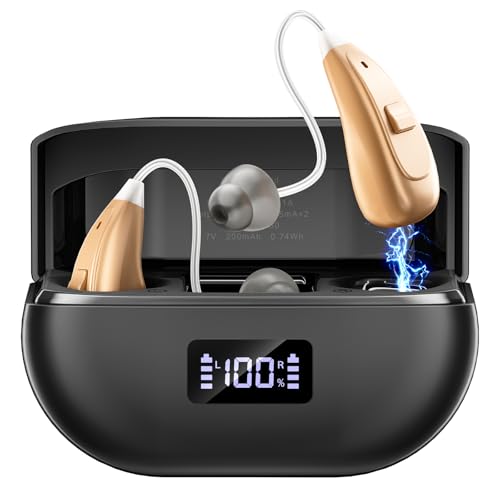
OTC Hearing Aids for Seniors with Noise Cancelling, 100 Hours Battery Life
- Noise Cancelling Technology: Filters background noise for clear sound
- User-Friendly Operation: One-button control with five volume levels
- Long Battery Life: Up to 100 hours of use
As an affiliate, we earn on qualifying purchases.
As an affiliate, we earn on qualifying purchases.
Frequently Asked Questions
Can Untreated Hearing Loss Affect Mental Health Over Time?
Yes, untreated hearing loss can affect your mental health over time. It may weaken your emotional resilience, making it harder to cope with daily stress and social interactions. Additionally, hearing loss can contribute to cognitive decline, increasing your risk of dementia. By addressing hearing issues early, you can protect your mental well-being, maintain emotional strength, and reduce the chances of long-term cognitive problems.
Are There Specific Neurological Changes Linked to Untreated Hearing Loss?
Yes, untreated hearing loss can lead to specific neurological changes. You might experience neural degeneration as your brain works harder to process sounds, which can strain neural pathways. Over time, this increased effort can contribute to cognitive decline, affecting memory and thinking skills. Ignoring hearing loss accelerates these neurological changes, making early intervention essential to preserve your brain health and prevent long-term cognitive issues.
How Does Untreated Hearing Loss Influence Social Relationships in Veterans?
Imagine a vibrant conversation fading into silence—that’s how untreated hearing loss impacts your social relationships. You may face communication barriers, making interactions frustrating and leading to social isolation. As you withdraw, you miss out on shared experiences, deepening loneliness. This disconnect affects your mental health and diminishes your support network, creating a cycle where untreated hearing loss steadily erodes your social bonds and quality of life.
What Role Does Age Play in the Progression of Untreated Hearing Loss?
Age plays a significant role in the progression of untreated hearing loss, as age-related decline accelerates hearing deterioration. As you age, your auditory system naturally weakens, making untreated issues worse over time. Without intervention, this decline can lead to further communication difficulties and social isolation. The earlier you address hearing loss, the better you can slow its progression and maintain your quality of life despite age-related hearing challenges.
Are There Innovative Treatments Currently Available for Long-Term Hearing Damage?
You might think treatments are limited, but innovative options like gene therapy and cochlear implants are changing that. Gene therapy targets the root causes of long-term hearing damage, offering potential for regeneration. Cochlear implants restore hearing by directly stimulating auditory nerves. These advancements mean you no longer have to accept hearing loss as permanent; cutting-edge treatments give hope for improved quality of life and long-term health.
Conclusion
So, next time you ignore that ringing or muffled voice, remember—you’re signing up for a future where hearing loss isn’t just a minor annoyance, but a VIP pass to health issues you didn’t see coming. It’s like skipping breakfast and wondering why you’re cranky all day. Treat your ears now, or face a long-term health saga filled with loneliness, cognitive decline, and missed moments. Because, really, who wants to be the veteran of their own silent war?