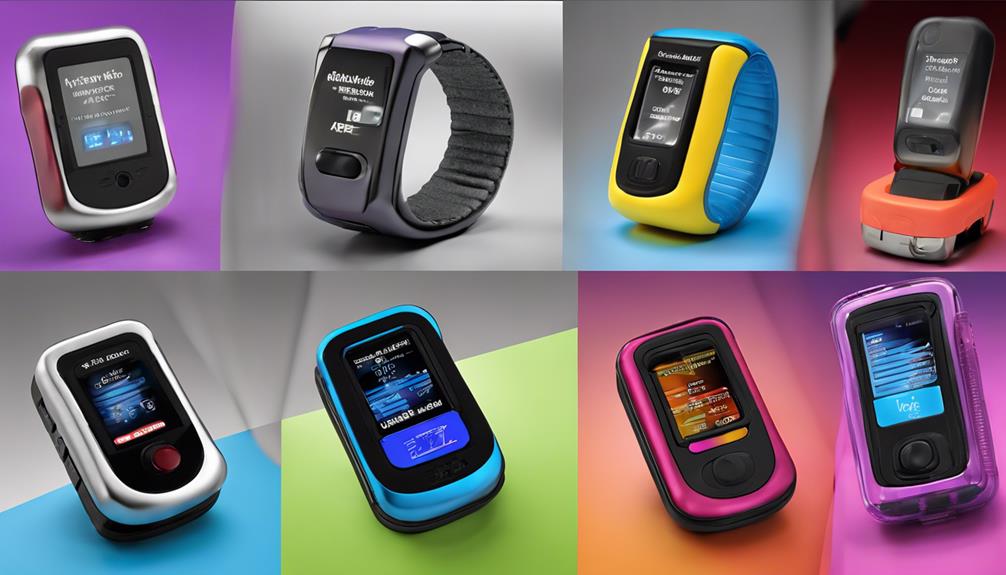
Weather alerts notify you in advance about environmental conditions like storms or hurricanes, giving you time to prepare. Emergency alerts, on the other hand, are for immediate threats like fires or security risks, prompting quick action. They come through different systems such as NOAA Weather Radio, WEA, sirens, or apps. Understanding these differences helps you respond effectively, but there’s more to learn about how these alerts work to keep you safe at home.

Get everyday helpers delivered free — and shop member deals
- Fast, free delivery on millions of items
- Access to Prime Big Deal Days deals on October 6–7
- Prime Video, Amazon Music and more included
Key Takeaways
- Weather alerts warn of upcoming environmental conditions, giving advance notice for preparation, while emergency alerts demand immediate action for safety.
- Weather alerts are issued by meteorological agencies via TV, apps, and radio; emergency alerts come from local authorities through WEA and sirens.
- Weather alerts provide early warnings, allowing time to prepare; emergency alerts require rapid response to imminent threats.
- Weather alerts focus on environmental hazards like storms; emergency alerts address immediate safety threats such as fires or security threats.
- Staying informed involves keeping devices charged, subscribing to alerts, and understanding the different alert systems used at home.
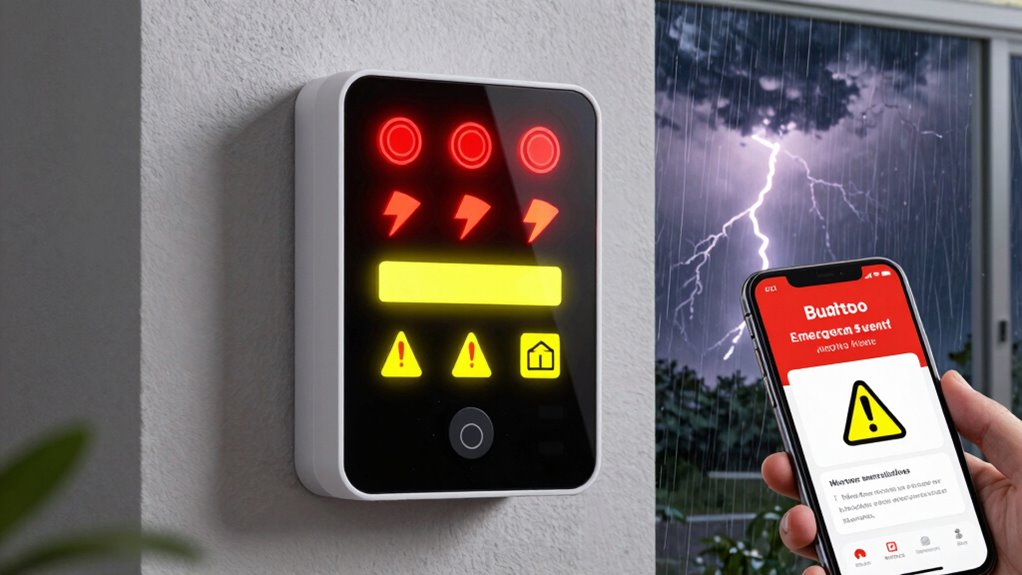
When severe weather or emergencies strike, receiving timely alerts can be the difference between safety and danger. Knowing how weather alerts and emergency alerts differ is vital for you to stay prepared and respond effectively. Weather alerts are typically generated by meteorological agencies and focus on environmental conditions like storms, hurricanes, tornadoes, or extreme temperatures. These alerts are often disseminated through national weather services and rely heavily on alert system technology, such as NOAA Weather Radio, mobile apps, and TV broadcasts. They provide advance notice, giving you time to seek shelter or prepare your home. Emergency alerts, on the other hand, deal with immediate threats to safety, such as fires, chemical spills, or security threats. These alerts are issued by local authorities or emergency management agencies and are designed to provoke rapid action. They’re often delivered through systems like Wireless Emergency Alerts (WEA), sirens, or loudspeaker announcements, aiming to inform you instantly about urgent dangers. Efficient alert dissemination is critical for ensuring the message reaches everyone quickly and effectively. Additionally, ongoing improvements in alert system technology enhance the reliability and speed of these communications, making it even more vital to stay informed.
Your community preparedness plays a crucial role in how these alerts reach you and how effectively you respond. When your community invests in robust alert system technology, it ensures that vital information reaches residents quickly, whether through cell broadcasts, social media, or dedicated alert apps. This technology bridges the gap between the authorities and residents, allowing you to receive messages directly on your phone or other devices. It’s essential to stay familiar with the alert systems your community uses and to keep your contact information updated. Understanding the alert technology behind these systems can help you better interpret and trust the messages you receive. Additionally, staying aware of the dissemination methods used for alerts can improve your response time during emergencies. Knowing whether an alert is for an upcoming storm or an immediate threat helps you prioritize your actions—like gathering supplies or evacuating—more efficiently.
While the sources of these alerts differ, the goal remains the same: to protect your safety and that of your loved ones. Weather alerts often serve as early warnings, giving you a window to prepare, while emergency alerts demand immediate action to avoid harm. Both rely on alert system technology that’s continually improving, making alerts faster and more reliable. It’s your responsibility to understand the difference and stay engaged with your community’s preparedness initiatives. Keep your devices charged, subscribe to local alert systems, and listen for official notifications. When you’re well-informed and ready to act, you significantly reduce your risk during severe weather or emergencies. Remember, the key is to stay alert, stay prepared, and trust the systems designed to keep you safe.
NOAA Weather Radio with alert system
As an affiliate, we earn on qualifying purchases.
As an affiliate, we earn on qualifying purchases.
Frequently Asked Questions
How Can I Customize My Weather Alert Notifications?
You can customize your weather alert notifications by exploring your device’s or app’s personalization options. Access the notification settings within your weather app or emergency alert system, then choose the types of alerts you want to receive—like severe storms or flood warnings. Adjust the alert frequency, sounds, and vibration preferences to suit your needs. This way, you stay informed without unnecessary interruptions, ensuring you get timely updates when it matters most.
What Devices Are Compatible With Emergency Alert Systems?
Your smart home devices, like smart speakers, smartphones, and connected security systems, are compatible with emergency alert systems if they meet compatibility standards like Wireless Emergency Alerts (WEA) or Common Alerting Protocol (CAP). Check your device specifications or manufacturer info to confirm compatibility. Ensuring your devices support these standards allows you to receive timely alerts during emergencies, keeping your home and loved ones safe.
Are Weather Alerts Available for All Regions?
Weather alerts aren’t available for all regions; coverage varies due to regional variations in alert systems and infrastructure. Some areas have thorough alert coverage through NOAA Weather Radio or mobile alerts, while others might have limited access. You should check with local authorities or your weather service provider to understand the specific alert options available in your region. Staying informed guarantees you’re prepared for severe weather, no matter where you live.
How Do Emergency Alerts Differ During Natural Disasters?
During natural disasters, emergency alerts act as your warning siren, cutting through chaos to guide your preparedness planning. They’re tailored to specific events, providing urgent instructions when community coordination is essential. Unlike weather alerts, which forecast conditions, emergency alerts deliver immediate, actionable steps, ensuring you and your community respond swiftly. Think of them as a lifeline, connecting you to critical information when every second counts.
Can I Receive Alerts in Multiple Languages?
Yes, you can receive alerts in multiple languages through multilingual notifications. Many alert systems offer language customization options, allowing you to select your preferred language for notifications. This guarantees you stay informed and understand the alerts clearly. To enable this, check your local alert system settings or app preferences, and choose your desired language. Customizing language preferences helps you stay safe and well-informed during emergencies.
Conclusion
In the end, ignoring weather and emergency alerts is like inviting chaos right into your living room! These alerts are your first line of defense, warning you of danger faster than you can say “stay safe.” Without them, you’re fundamentally flying blind in a storm of chaos, risking more than just a little inconvenience—you could be risking your life. So, stay alert, stay prepared, and never underestimate the power of these crucial warnings!
Fall Picks
fall essentials
As an affiliate, we earn on qualifying purchases.