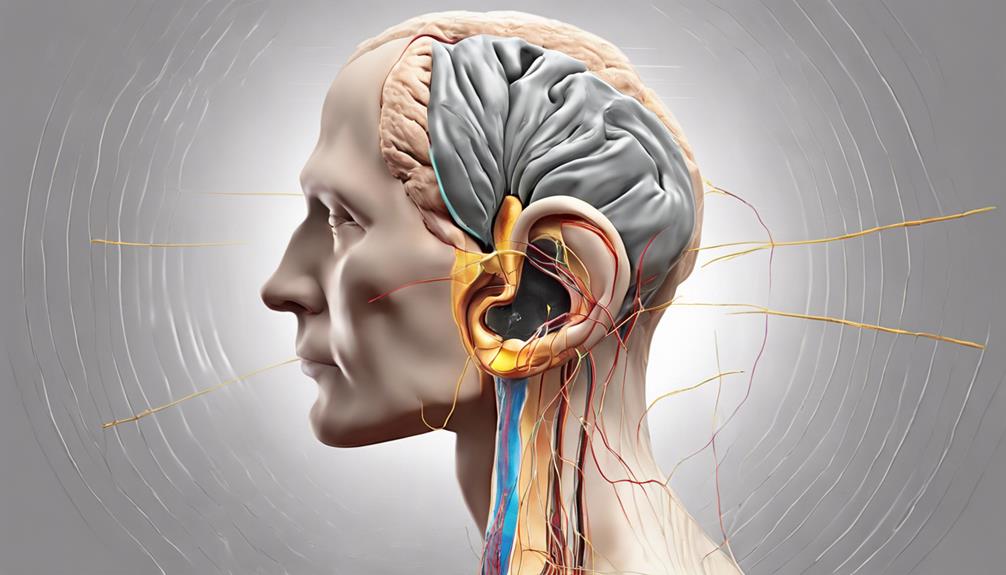
At night, your tinnitus feels louder because there’s less background noise to mask it. When sounds around you quiet down, your brain focuses more on internal noise, making tinnitus stand out more. Because you’re not distracted by daytime sounds like traffic or conversations, your awareness increases. This heightened focus can make tinnitus seem worse and more distressing. If you want to discover ways to make nights more comfortable, keep exploring these helpful strategies.
Key Takeaways
- Silence and fewer external sounds at night increase internal noise perception, making tinnitus seem louder.
- The brain focuses more on internal sensations when ambient noise diminishes during nighttime.
- Lack of sound masking from daytime noise allows tinnitus to stand out more at night.
- Poor sleep habits and stress can heighten sensitivity to tinnitus during nighttime hours.
- Creating a calming environment and using sound masking can reduce perceived loudness at night.
Many people notice that their tinnitus seems louder at night, and this can be unsettling. As the world quiets down, the ringing or buzzing inside your ears becomes more noticeable. With fewer external sounds competing for your attention, your brain tends to focus more on the internal noise. This heightened awareness can make tinnitus feel more intense, leaving you feeling anxious or frustrated as you try to fall asleep.
Tinnitus often feels louder at night due to silence and reduced external sounds, making internal noise more noticeable and distressing.
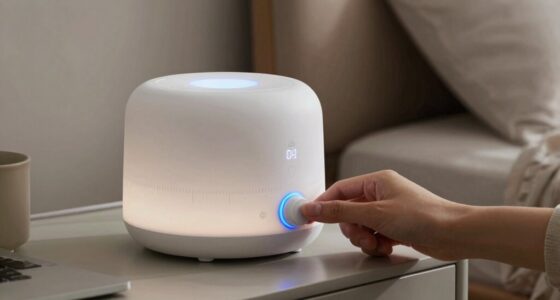
One reason for this increased perception is that during the day, ambient sounds—like conversations, traffic, or music—act as natural sound masking. These external noises help drown out the internal sounds of tinnitus, making them less noticeable. At night, when everything falls silent, there’s nothing to mask the ringing, so it stands out sharply. To counter this, many find that using sound masking devices or background noise generators can help. These devices produce gentle, soothing sounds like white noise or nature sounds, which blend with your tinnitus and make it less prominent. Using sound masking consistently can substantially ease your transition into sleep by reducing the contrast between silence and tinnitus.
Aside from external sounds, your sleep hygiene also plays an essential role in how loud tinnitus feels at night. Poor sleep habits, such as irregular bedtimes, caffeine intake before bed, or screen exposure late into the night, can heighten your sensitivity to internal noises. When you’re tired or stressed, your brain becomes more alert to sensations, including tinnitus. Establishing a solid sleep routine—going to bed and waking up at the same time each day, avoiding caffeine and screens before bedtime, and creating a calming pre-sleep environment—can help reduce overall stress and make tinnitus less bothersome. Additionally, understanding the role of external sounds can help you better manage your environment at night. Incorporating sound masking techniques into your nightly routine can further improve your comfort and sleep quality. Creating a calm sleep environment can also significantly lessen the perceived loudness of tinnitus during the night. Implementing these strategies can help you manage your symptoms more effectively. Combining sound masking with strong sleep hygiene practices gives you a practical way to manage the nighttime increase in tinnitus. Over time, these steps can help you regain a sense of control, making your nights calmer and more restful.
white noise machine for tinnitus
As an affiliate, we earn on qualifying purchases.
As an affiliate, we earn on qualifying purchases.
Frequently Asked Questions
Can Tinnitus Worsen Over Time Without Treatment?
Yes, tinnitus can worsen over time without treatment. When you don’t address it, your hearing sensitivity and noise sensitivity may increase, making the ringing or buzzing seem more intense. This can create a cycle where your awareness amplifies the sounds, leading to greater discomfort. Seeking early treatment helps manage symptoms, prevent further hearing issues, and reduce the impact of tinnitus on your daily life.
Are Certain Sleeping Positions Better for Tinnitus Relief?
Certain sleeping positions can help reduce tinnitus discomfort. You should try sleeping on your side or back, keeping your head elevated slightly with a pillow. Maintaining a neutral head position minimizes pressure on your ears and reduces noise perception. Avoid sleeping on your stomach or in positions that twist your neck, as these can increase tension and worsen tinnitus. Experiment with different sleeping postures to find what offers the most relief.
Does Tinnitus Affect Sleep Quality Long-Term?
Tinnitus can affect your sleep quality long-term by causing ongoing stress and disrupting your rest. When you don’t get enough sleep, it can worsen tinnitus symptoms, creating a cycle. To break this, try sound therapy to mask the noise and practice stress management techniques to relax your mind. Consistently addressing these areas helps improve sleep and reduces tinnitus’s impact, promoting better overall health and well-being.
Can Dietary Changes Reduce Nighttime Tinnitus?
About 80% of people notice tinnitus fluctuations with diet. You might find that cutting back on caffeine intake helps reduce nighttime tinnitus, as caffeine can amplify the perception of ringing. Incorporating dietary supplements like magnesium or zinc may also provide relief. By adjusting your diet and avoiding stimulants before bed, you could experience quieter nights and better sleep, making tinnitus feel less intrusive during those quiet hours.
Are There Specific Sounds That Mask Tinnitus Effectively?
You can effectively mask tinnitus with specific sounds like white noise or masking sounds. White noise provides a constant, soothing background that helps diminish the perception of tinnitus. Many find that using a fan, humidifier, or dedicated white noise machine at night creates a consistent masking sound, making tinnitus feel quieter. Experiment with different sounds to see which works best for you, creating a more peaceful, sleep-friendly environment.
Conclusion
As night falls and silence wraps around you like a heavy velvet curtain, tinnitus can seem to amplify, echoing like a distant storm within your mind. The quiet magnifies every whisper of sound, turning a faint hum into a relentless roar. Remember, it’s the absence of distraction that makes your tinnitus feel louder. Embrace the darkness, knowing that with patience, the storm inside will gradually settle, revealing the quiet serenity that lies beyond the relentless noise.