
To promote independence, organize your home with designated zones for different activities, like cooking or laundry, and keep items grouped within each area. Use tactile labels, textured stickers, and braille to identify belongings easily. Incorporate assistive tech like voice-activated assistants for reminders and timers. Guarantee safety by creating clear pathways and using tactile cues for navigation. Maintaining consistent routines and adapting your system helps you stay confident. Keep exploring new solutions to strengthen your independence every day.

Get everyday helpers delivered free — and shop member deals
- Fast, free delivery on millions of items
- Access to Prime Big Deal Days deals on October 6–7
- Prime Video, Amazon Music and more included
Key Takeaways
- Implement tactile labeling on everyday items and storage areas to facilitate quick recognition and reduce errors.
- Designate specific zones for categories like cooking and clothing to improve navigation and routine consistency.
- Use assistive technology such as talking clocks and voice-activated devices to support independent time management.
- Establish a systematic organization system with tactile cues to reinforce routines and enhance home management skills.
- Ensure the home environment prioritizes safety and comfort through thoughtful organization and accessible features.
Creating organized home is essential for fostering your independence as a DeafBlind individual. When your environment is well-structured, you can navigate daily tasks more confidently and efficiently. One of the most effective ways to achieve this is by incorporating assistive technology into your routines. Devices like talking clocks, tactile timers, and voice-activated assistants can help you manage schedules, set reminders, and access information without relying solely on sight or hearing. These tools reduce confusion and make you less dependent on others, empowering you to handle daily chores and activities on your own.
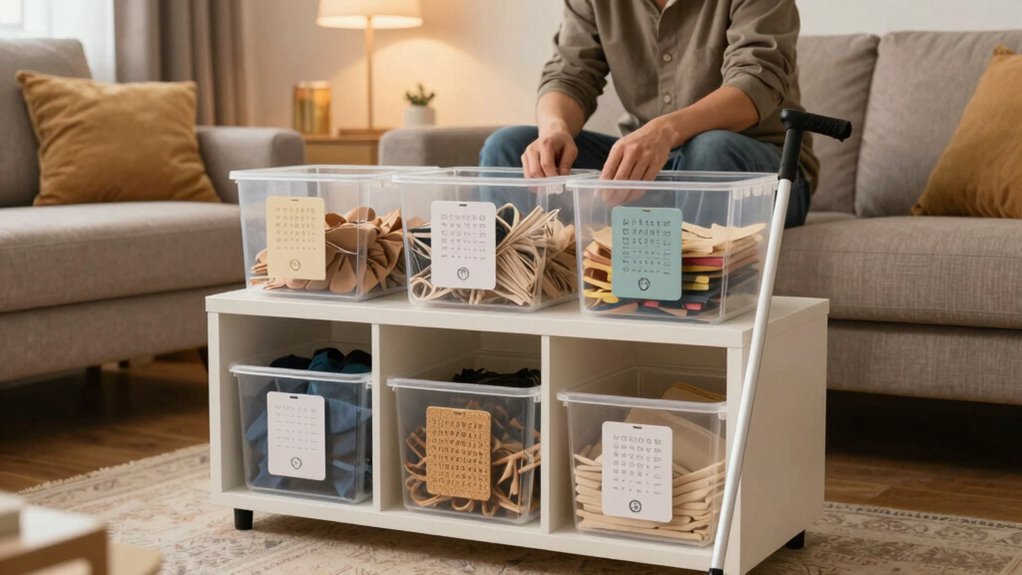
Tactile labeling plays a vital role in maintaining an organized space. Instead of relying on visual cues, you can use textured stickers, raised symbols, or braille labels to identify items and their locations. For example, labeling shelves, containers, and appliances with tactile markers allows you to quickly find what you need without guesswork. When each item has a consistent, easily recognizable label, your confidence in managing your home increases, and you minimize the risk of mistakes or accidents. Combining tactile labeling with a systematic organization method—such as grouping similar items together—further streamlines your routine.
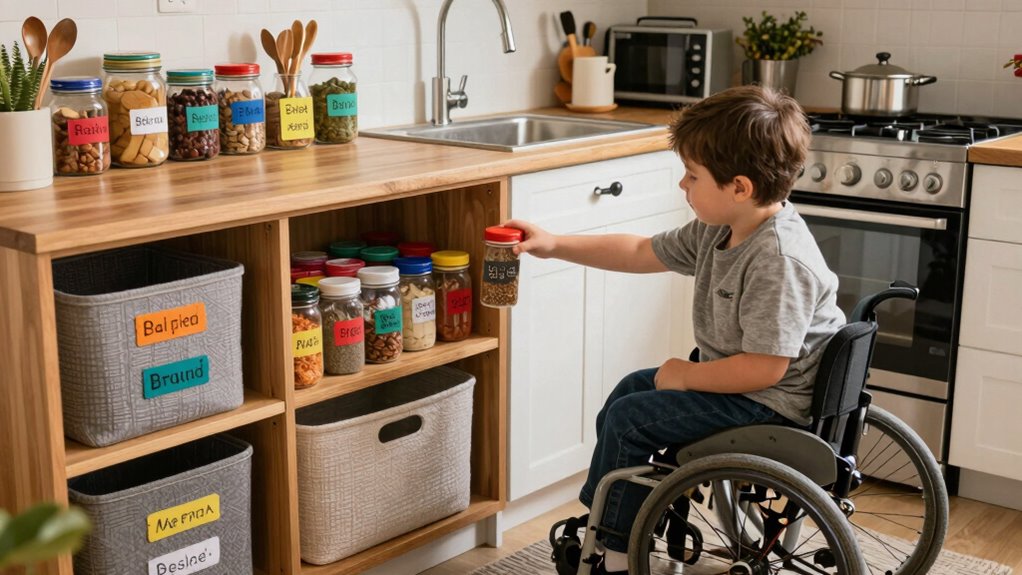
Creating designated zones in your home can also enhance organization. Assign specific areas for different categories, like a cooking zone with clearly labeled utensils and ingredients or a clothing area with all garments sorted by type and size. When combined with tactile labels and assistive technology, these zones become intuitive and easy to navigate. Maintaining consistency in your setup ensures you develop muscle memory, making it second nature to find and return items to their proper places. This routine not only saves time but also boosts your independence, as you rely less on external assistance. Additionally, establishing a consistent organization system helps reinforce your routines and reduces the chances of clutter or misplaced items. Incorporating tactile cues can also help you quickly identify areas or items, further improving your home management skills. Regularly reassessing your system and exploring new assistive technology solutions can keep your home environment adaptable to your evolving needs.
Understanding small wood stoves can contribute to safer and more efficient home heating, supporting your overall independence and comfort. Ultimately, the goal is to create a home environment that supports your autonomy, where you can confidently perform daily activities without unnecessary obstacles. With thoughtful use of assistive technology, tactile labeling, and strategic organization practices, you lay a solid foundation for a more independent and fulfilling life.
tactile labels for home organization
As an affiliate, we earn on qualifying purchases.
As an affiliate, we earn on qualifying purchases.
Frequently Asked Questions
How Do Deafblind Individuals Develop Personalized Organization Systems?
You develop personalized organization systems by creating sensory maps that highlight your environment’s key features. Use tactile labels, textured markers, and Braille to distinguish different areas and items. Incorporate personalized strategies like consistent placement and auditory cues to make navigation easier. Regularly adjust your system based on what works best for you, ensuring your home remains accessible and tailored to your unique needs and sensory preferences.
What Tools Are Most Effective for Tactile Home Organization?
You find tactile labels and organizing techniques most effective for tactile home organization. Use raised symbols or textured stickers on containers, shelves, and switches to identify items quickly. Organizing techniques like color coding with tactile markers or arranging items by size and shape help you navigate spaces confidently. These tools and methods enable you to maintain independence, ensuring everything is easily distinguishable through touch, making daily routines smoother and more manageable.
How Can Family Members Assist With Deafblind Home Organization?
You can assist by using assistive technology like tactile labels and talking devices to help your loved one identify items and organize spaces. Offer emotional support by being patient and understanding as they develop their independence. Your involvement in creating consistent routines and tactile cues makes a big difference, ensuring they feel confident and secure in managing their home environment. Your support fosters their autonomy and promotes a positive, organized living space.
Are There Specific Routines That Support Ongoing Independence?
You might wonder if certain routines truly support ongoing independence. The secret lies in sensory adaptation and routine consistency. When you establish familiar, predictable habits, your senses adapt, making everyday tasks smoother and more manageable. Consistently following these routines creates a reliable environment where confidence grows. This steady rhythm not only enhances independence but also minimizes surprises, allowing you to navigate your home with greater ease and assurance.
How Do Deafblind People Adapt to Changing Organizational Needs?
You adapt to changing organizational needs through sensory adaptation and communication strategies. By paying close attention to your senses, you can identify what’s working and what needs adjustment. Using tactile cues, labeled objects, or vibration alerts helps you stay organized. You also communicate effectively with caregivers or technology to modify routines, ensuring your environment remains functional and supportive as your needs evolve.
Conclusion
By adopting these thoughtful home organization habits, you create a welcoming environment that gently supports your independence. When your surroundings are carefully arranged, you can navigate daily life more comfortably and confidently. Remember, a well-structured space isn’t just about order; it’s about nurturing your confidence and embracing your unique journey. With patience and thoughtful touches, you’ll find your home becomes a softly guiding hand, helping you thrive every step of the way.
Halloween Picks
halloween
As an affiliate, we earn on qualifying purchases.