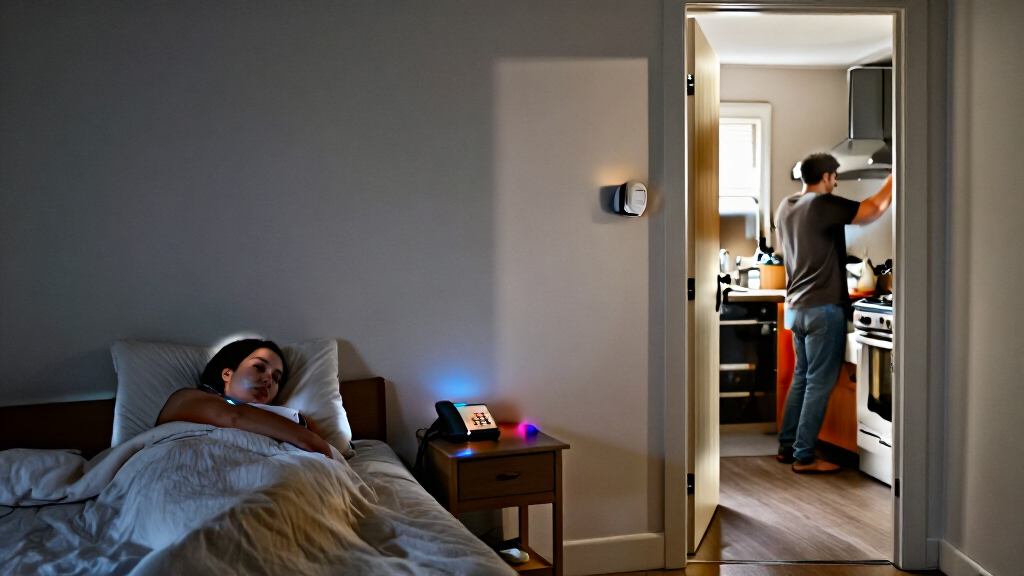

Choosing the right smoke alarm for deaf people is not just about hearing protection; it is about ensuring a life-saving alert reaches you when you cannot hear a siren. For those with hearing loss, traditional auditory alarms are effectively silent. This guide evaluates four distinct solutions, ranging from integrated strobe units to external alerting systems. I have selected these options based on their ability to provide reliable visual or tactile warnings without requiring constant attention to a smartphone or complex wiring.

Get everyday helpers delivered free with Prime
- Fast, free delivery on millions of items
- Prime Video, Amazon Music and more included
- Member-only deals all year
My top recommendation for most homeowners is the First Alert BRK 7030BSL because it combines smoke and carbon monoxide detection with a built-in strobe, eliminating the need for separate devices. However, if you live in a rental or cannot modify your electrical wiring, the Ring Smoke and CO Listener offers a non-invasive alternative that uses existing alarms. For heavy sleepers who need physical wake-up assurance, the Sonic Alert HomeAware II provides a bed shaker, a feature absent in standard strobe lights. The main tradeoff lies in installation complexity versus detection independence. Hardwired units offer robust, synchronized protection but require electrical work. Smart listeners are easy to install but rely entirely on your existing alarms functioning correctly.
Key Takeaways
- Hardwired strobe alarms like the First Alert SLED177 provide synchronized visual alerts across an entire home, ensuring that a fire in one room triggers lights in all others.
- The First Alert BRK 7030BSL is ideal for new installations because it integrates smoke, CO, and strobe functions into a single unit, reducing clutter and wiring points.
- The Sonic Alert HomeAware II is the only option here that includes a bed shaker, making it the superior choice for deep sleepers who might not wake up to flashing lights alone.
- The Ring Smoke and CO Listener is the best retrofit solution for renters or those avoiding electrical work, but it requires an existing working alarm to function.
- Visual alarms must be placed at eye level or on ceilings where they can be seen from bed, whereas auditory alarms can be placed anywhere; placement strategy changes significantly for deaf users.
| First Alert SLED177 Hardwired LED Strobe Light for Hearing-Impaired Residents |  | Best for Whole-Home Synchronization | Model: SLED177 | Light source: LED | Strobe intensity: 177 candela | VIEW LATEST PRICE | See Our Full Breakdown |
| First Alert BRK 7030BSL Hardwired Smoke and Carbon Monoxide Alarm with LED Strobe | 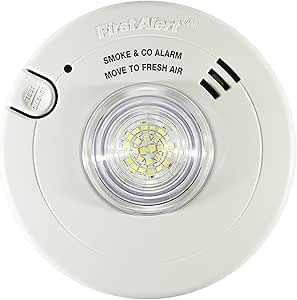 | Best Overall Integrated Solution | Brand: First Alert | Model: 7030BSL | Alarm type: Combination Smoke and CO | VIEW LATEST PRICE | See Our Full Breakdown |
| Sonic Alert HomeAware II Basic Starter Kit |  | Best for Heavy Sleepers and Multi-Use Alerts | Brand: Sonic Alert | Model: HA360MBK | Sensor type: Acoustic listener | VIEW LATEST PRICE | See Our Full Breakdown |
| Ring Smoke and CO Listener |  | Best Non-Invasive Retrofit Solution | Brand: Ring | Connectivity: Amazon Sidewalk, Wi-Fi | Power: 2 AA batteries | VIEW LATEST PRICE | See Our Full Breakdown |
| smoke alarms for deaf people | Model | Power source | Brand | Strobe intensity |
|---|---|---|---|---|
| First Alert SLED177 Hardwired | SLED177 | Hardwired 120V AC | — | 177 candela |
| First Alert BRK 7030BSL Hardwi | 7030BSL | Hardwired 120V AC | First Alert | 177 candela |
| Sonic Alert HomeAware II Basic | HA360MBK | Corded electric | Sonic Alert | — |
| Ring Smoke and CO Listener | — | — | Ring | — |
More Details on Our Top Picks
First Alert SLED177 Hardwired LED Strobe Light for Hearing-Impaired Residents
This unit is not a detector itself but a dedicated strobe light that connects to compatible First Alert and BRK smoke and CO alarms. It stands out for its ability to synchronize flashing across multiple units. If a smoke alarm triggers in the kitchen, every strobe in the house flashes simultaneously. This is critical for deaf users who may be in a different room than the fire’s origin. Compared to the First Alert BRK 7030BSL, this requires a separate detector, which adds to the cost and wiring complexity. However, it allows for more strategic placement. You can mount strobes in bedrooms and hallways where you sleep, even if the detectors are in the kitchen or utility room. The 177 candela intensity is bright enough to penetrate eyelids and wake most sleepers, though it lacks the tactile component of the Sonic Alert HomeAware II. The main drawback is the strict compatibility list; you cannot mix this with other brands, limiting your future flexibility if you decide to switch detectors.
Pros:- Synchronizes with up to 18 interconnected devices for whole-home coverage
- Distinguishes between smoke and CO alerts with different flash patterns
- High-intensity 177 candela LED ensures visibility even through closed eyelids
- Meets ADA requirements for accessibility
Cons:- Does not detect smoke or CO itself; requires compatible detectors
- Strictly compatible only with First Alert and BRK products
- Requires 120-volt hardwired installation by a qualified electrician or skilled DIYer
Best for: Homeowners building or renovating who want a fully integrated, synchronized visual alarm system.
Not ideal for: Renters or those who cannot install hardwired electrical components.
- Model:SLED177
- Light source:LED
- Strobe intensity:177 candela
- Power source:Hardwired 120V AC
- Mounting:Ceiling or wall
- Compatibility:First Alert and BRK alarms only
- Max interconnected devices:18
- Certifications:UL Standard, ADA Compliant
Our verdict“This is the gold standard for permanent, synchronized visual alerting in a hardwired home ecosystem.”
First Alert BRK 7030BSL Hardwired Smoke and Carbon Monoxide Alarm with LED Strobe
This device simplifies the safety equation by combining a photoelectric smoke detector, a carbon monoxide detector, and a 177 candela strobe into one housing. For many buyers, this is the most logical choice because it reduces the number of devices needed in a bedroom. Unlike the First Alert SLED177, which requires a separate detector, this unit works independently. It features distinct flash patterns for smoke and CO, allowing users to identify the specific threat. The 10-year battery backup provides peace of mind during power outages, a feature the Ring Smoke and CO Listener lacks in terms of direct detection reliability. However, installation is still hardwired, which poses a barrier for renters. Compared to the Sonic Alert HomeAware II, this option is less versatile for people who also need alerts for doorbells or phone calls, as it is strictly a life-safety device. The conflicting candela ratings in some descriptions can be confusing, but the physical strobe is consistent with the 177 candela standard for visibility.
Pros:- Combines smoke, CO, and strobe functions in a single compact unit
- Uses unique flash patterns to differentiate between smoke and CO threats
- Includes a 10-year sealed battery backup for power outage protection
- Synchronizes with other compatible First Alert and BRK hardwired devices
Cons:- Requires hardwired electrical connection; not suitable for plug-in use
- Only alerts to smoke and CO; does not monitor other household sounds
- Slightly larger footprint than standalone strobe lights
Best for: Homeowners replacing existing hardwired alarms who want an all-in-one smoke, CO, and strobe solution.
Not ideal for: People who need multi-purpose alerting (doorbells, phones) or cannot perform hardwired installations.
- Brand:First Alert
- Model:7030BSL
- Alarm type:Combination Smoke and CO
- Sensor type:Photoelectric
- Strobe intensity:177 candela
- Backup power:10-year battery
- Power source:Hardwired 120V AC
- Warranty:10-year limited
Our verdict“The most efficient choice for hardwired homes, offering comprehensive detection and visual alerting in one package.”
Sonic Alert HomeAware II Basic Starter Kit
This system operates differently from the previous two. It does not detect smoke or CO itself; instead, it listens for the sound of your existing alarms. When it hears a siren, it triggers a bed shaker, flashing strobe, and audio tones. This is the standout feature for heavy sleepers. While the First Alert BRK 7030BSL relies on light, which some people can sleep through if their face is buried in a pillow, the physical vibration of the bed shaker is nearly impossible to ignore. The kit also handles non-emergency alerts, such as doorbells and phone calls, making it a central hub for hearing-impaired communication. However, this reliance on existing alarms is a significant vulnerability. If your smoke alarm’s battery dies, this system will not alert you. It requires the main unit to be in the same room as the existing alarm to hear it. Compared to the Ring Smoke and CO Listener, it offers more immediate, local physical alerts without relying on Wi-Fi or cloud connectivity, but it is bulkier and less discreet.
Pros:- Includes a powerful bed shaker for tactile wake-up assurance
- Handles multiple alert types including doorbells, phones, and baby monitors
- Does not require electrical wiring; plugs into a standard outlet
- Rechargeable battery backup maintains functionality during power outages
Cons:- Does not detect smoke or CO directly; relies on existing audible alarms
- Must be placed in the same room as the existing alarm to function
- Bulkier design with multiple components compared to sleek hardwired units
Best for: Heavy sleepers who need tactile wake-up assistance and users wanting alerts for doorbells and phones.
Not ideal for: Users who want a standalone detection system without relying on existing audible alarms.
- Brand:Sonic Alert
- Model:HA360MBK
- Sensor type:Acoustic listener
- Alert types:Strobe, Bed Shaker, Audio, Text
- Power source:Corded electric
- Backup:Rechargeable battery
- Dimensions:5 x 6 x 6.5 inches
- Weight:1.8 lbs
Our verdict“The superior choice for those who struggle to wake up to lights alone, despite its dependency on existing alarms.”
Ring Smoke and CO Listener
The Ring Smoke and CO Listener is designed for people who cannot or do not want to replace their existing alarms. It sits near your current smoke detector and listens for its sound. If it hears the alarm, it sends a push notification to your smartphone via Amazon Sidewalk. This is significantly less intrusive than the Sonic Alert HomeAware II because it doesn’t require a bed shaker or bulky hub in the bedroom. However, it lacks the immediate physical urgency of a strobe or shaker. You must be awake and holding your phone, or have your phone nearby, to receive the alert. Compared to the First Alert SLED177, it is far easier to install—no wiring, just batteries and a smartphone. But it introduces a single point of failure: if your phone is dead, on silent, or left in another room, you are not alerted. It is a smart home convenience feature rather than a dedicated life-safety device for deaf users, though it serves as a useful backup layer for those who already have strobe lights.
Pros:- No wiring or base station required; easy DIY installation
- Sends alerts to smartphone via Amazon Sidewalk and Wi-Fi
- Long battery life with included AA batteries
- Optional professional monitoring available with subscription
Cons:- Does not detect smoke or CO itself; relies on existing alarms
- Alerts depend on smartphone connectivity and user attention
- Requires Amazon Sidewalk coverage for optimal performance
Best for: Renters and smart home enthusiasts who want phone notifications without wiring.
Not ideal for: People who need immediate, physical wake-up alerts or cannot rely on smartphone notifications.
- Brand:Ring
- Connectivity:Amazon Sidewalk, Wi-Fi
- Power:2 AA batteries
- Battery life:Up to 10 years
- Installation:Within 6 inches of existing alarm
- Dimensions:2.76 x 1.01 inches
- Warranty:1-year limited
- Certifications:UL, FCC
Our verdict“A convenient, low-effort backup alert system, but not a standalone solution for deaf safety.”
How We Picked
I evaluated these products based on their primary function: delivering a reliable, non-auditory alert. My selection criteria focused on three areas: alert reliability, installation feasibility, and coverage scope. First, I looked for devices that meet UL standards for visual alarms, specifically those with high candela ratings (177 candela is the industry standard for visibility). Second, I considered the installation barrier. Hardwired systems offer permanence but require professional or skilled DIY electrical work. Battery-operated or plug-in devices offer flexibility but may require more frequent maintenance or reliance on existing infrastructure. Third, I assessed whether the device detects the hazard itself or merely listens for another device. Standalone detectors are generally more reliable because they do not depend on a secondary device’s battery or connectivity. However, they are more expensive and harder to install. I included one listener-style device to cater to users who cannot replace their existing alarms due to lease restrictions or budget constraints. I prioritized systems that offer distinct flash patterns for smoke versus carbon monoxide, as this information can dictate whether you evacuate or ventilate.
| smoke alarms for deaf people | Power source | Certifications | Brand | Sensor type |
|---|---|---|---|---|
| First Alert SLED177 Hardwired | Hardwired 120V AC | UL Standard, ADA Compliant | — | — |
| First Alert BRK 7030BSL Hardwi | Hardwired 120V AC | — | First Alert | Photoelectric |
| Sonic Alert HomeAware II Basic | Corded electric | — | Sonic Alert | Acoustic listener |
| Ring Smoke and CO Listener | — | UL, FCC | Ring | — |
Factors to Consider When Choosing Smoke Alarms For Deaf People
Selecting a smoke alarm for deaf people requires a shift in perspective from auditory volume to visual and tactile intensity. The following factors should guide your decision.Detection Method: Standalone vs. Listener
The most critical distinction is whether the device detects the hazard itself or listens for another device to do so. Standalone detectors like the First Alert BRK 7030BSL are generally more reliable because they have their own sensors. If your existing alarm fails, the new one still works. Listener devices like the Ring Smoke and CO Listener or Sonic Alert HomeAware II are dependent on your existing alarms. If the battery in your old smoke detector dies, the listener will not trigger. For primary safety, I always recommend standalone detection. Listeners are best used as secondary alerts or in situations where replacing the primary alarm is impossible.
Alert Type: Visual vs. Tactile
Visual alarms use strobe lights, while tactile alarms use vibrations. Strobe lights must be bright enough to penetrate closed eyelids. The industry standard is 177 candela, which is bright enough to wake most people. However, if you sleep face-down or have your head under a blanket, a strobe might be obscured. Bed shakers, found in the Sonic Alert HomeAware II, place a vibrating puck under the mattress. This physical sensation is often more effective for heavy sleepers. Many users choose a combination of both: a strobe for general visibility and a shaker for deep sleep assurance. If you can only choose one, assess your sleeping habits. Do you wake up easily to light? If not, prioritize tactile options.
Installation and Power Source
Hardwired alarms require 120-volt electrical connections and are typically interconnected. This means if one alarm triggers, all strobes in the house activate. This is ideal for whole-home coverage but requires professional installation or advanced DIY skills. Battery-operated or plug-in devices are easier to install but require regular battery changes or charging. The First Alert SLED177 is hardwired, ensuring it never runs out of power unexpectedly, but it limits where you can place it. Wireless options offer flexibility but introduce the risk of dead batteries. For deaf users, reliability is paramount, so hardwired systems with battery backups are often the preferred choice for permanent residences.
Compatibility and Ecosystem
If you choose a hardwired system, you must consider brand compatibility. First Alert and BRK devices interconnect with each other, but not with other brands. If you already have Kidde alarms, you may need to replace all of them to use a First Alert strobe. The Ring Smoke and CO Listener avoids this by listening for sound, making it brand-agnostic. However, it requires a smartphone and internet connectivity. Consider your existing infrastructure. If you are starting from scratch, a unified hardwired system is cleaner and more reliable. If you are working with existing alarms, a listener-based system is the only practical option.
Frequently Asked Questions
Can a strobe light wake a deaf person from a deep sleep?
Yes, but it depends on the intensity and the person’s sleeping position. High-intensity strobes rated at 177 candela are specifically designed to penetrate eyelids and wake sleepers. However, if a person sleeps face-down with their head buried in a pillow, the light may be blocked. In such cases, a bed shaker or vibrating alert is often more reliable because it uses physical touch rather than sight. Many experts recommend using a combination of visual and tactile alerts to ensure the person wakes up regardless of their position.
Do I need to replace all my smoke alarms if I install a strobe light?
Not necessarily, but it depends on the system you choose. If you install a hardwired strobe like the First Alert SLED177, it must be connected to compatible hardwired smoke alarms. If your existing alarms are not compatible or are not hardwired, you will need to replace them to achieve synchronized flashing. If you use a listener device like the Ring Smoke and CO Listener or Sonic Alert, you do not need to replace your existing alarms, as these devices listen for the sound of the current alarms. However, you must ensure your existing alarms are in working order for the listener to function.
Are smart smoke alarms better for deaf people?
Smart alarms can be beneficial because they send notifications to your phone, which can be set to vibrate or use specific alert sounds. However, they are not a complete solution on their own. A smartphone might be in another room, on silent, or out of battery. Smart alarms are best used as a supplementary layer of protection, not the primary alert system. For immediate safety in the bedroom, a local strobe light or bed shaker is more reliable because it does not depend on network connectivity or phone proximity.
How many strobe lights do I need in my home?
Building codes and safety recommendations generally suggest installing a strobe light in every bedroom and in the hallway outside sleeping areas. This ensures that no matter where you are sleeping, you will see the alert. For common areas like living rooms, a single strobe may suffice, but it should be placed in a central location where it is easily visible. If you have a large home, consider using interconnected strobes so that a fire in any part of the house triggers alerts in all sleeping areas. The First Alert SLED177 supports up to 18 interconnected devices, allowing for comprehensive coverage.
Can deaf people use traditional smoke alarms if they have a service dog?
While service dogs can alert their handlers to sounds, relying solely on a dog for fire safety is risky. Dogs may sleep through alarms, become disoriented by smoke, or be unable to wake a deeply sleeping handler. Smoke alarms are a critical backup and primary safety measure. A service dog is an excellent supplement, providing immediate awareness of the sound, but a visual or tactile alarm ensures that the alert is delivered even if the dog is not in the room or is asleep. Never remove a smoke alarm because you have a service dog.
Conclusion
Choosing the right smoke alarm for deaf people comes down to balancing installation effort with the certainty of waking up. For those building or renovating, the First Alert BRK 7030BSL is the strongest choice, offering integrated detection and strobing in a single hardwired unit. If you need maximum wake-up assurance, especially if you are a heavy sleeper, the Sonic Alert HomeAware II with its bed shaker is unparalleled, though it requires existing alarms to function. For renters or those avoiding electrical work, the Ring Smoke and CO Listener provides a convenient, non-invasive alert system, but it should not be your only line of defense. Ultimately, reliability is key. A standalone detector with a high-intensity strobe is safer than a listener that depends on a potentially failing battery in an older alarm. Assess your sleeping habits and living situation to pick the tool that guarantees you will wake up when it matters most.
Columbus Day / Indigenous Peoples' Day Picks
long weekend sales
As an affiliate, we earn on qualifying purchases.