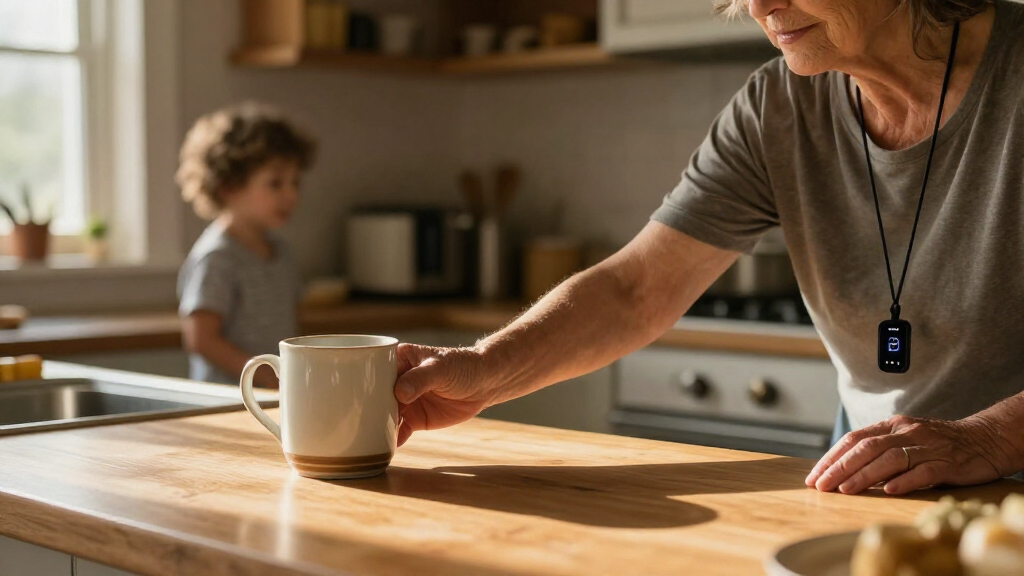

Automatic fall detection devices for seniors range from professionally monitored home systems to mobile pendants and smartwatches with GPS. My best overall pick is the ADT Medical Alert Plus for shoppers who want a home-focused system with fall detection, while the Nomo Smart Care system stands out for a connected home approach and the SecuLife SOS Wristband for mobile GPS and two-way calling. The main tradeoff is between a dedicated alert device and a watch-style wearable with extra features: simpler devices may be easier to use, while connected wearables can offer more ways to stay in touch. Coverage, monitoring arrangements, wearing comfort, and charging needs can matter as much as the detection feature itself. Read on for the full breakdown and guidance on matching a device to a senior’s routine.

Get everyday helpers delivered free with Prime
- Fast, free delivery on millions of items
- Prime Video, Amazon Music and more included
- Member-only deals all year
Key Takeaways
- The lineup splits into three practical groups: ADT systems are home-centered, while several SecuLife and Family First Alert options are wearable pendants or wristbands, and Fajocru models lean toward smartwatch features.
- Automatic detection is not the same as a guaranteed rescue call. Buyers should confirm whether a device has live monitoring, contacts an emergency response center, or only sends alerts to chosen people.
- Mobile safety features vary in their usefulness away from home. GPS and two-way calling are prominent on several SecuLife and Fajocru wearables, but they also add charging, connectivity, and setup demands.
- Two product pairs have closely related names but different configurations: the Family First Alert MG Mini is listed with 24/7 monitoring, while the MGMini has optional fall detection; SecuLife smartbands also appear with different listed health features.
- The strongest choice depends on daily habits, not the longest feature list. A senior who rarely leaves home may favor a home system, while someone who goes out alone may need a wearable with location support and a clear way to contact help.
| ADT Medical Alert Plus In-Home Emergency Response System with Fall Detection |  | Best for In-Home Coverage | Monitoring: 24/7 professional monitoring with cellular 4G coverage | Fall detection: Automatic fall detection | Maximum range: Up to 600 feet | VIEW LATEST PRICE | See Our Full Breakdown |
| Family First Alert MG Mini Medical Alert Pendant with 24/7 Monitoring | 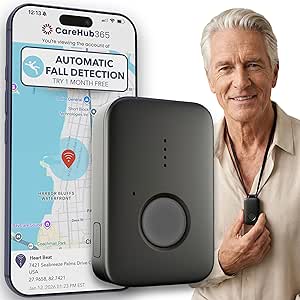 | Best for a Compact Rechargeable Pendant | Connectivity: 4G LTE on AT&T and Verizon where cellular service is available | Monitoring: 24/7 emergency monitoring | Fall detection: Optional add-on | VIEW LATEST PRICE | See Our Full Breakdown |
| ADT On-the-Go Emergency Medical Alert for Seniors |  | Best for Mobile Monitoring | Model: MD5 | Connectivity: Cellular | Location: Built-in GPS | VIEW LATEST PRICE | See Our Full Breakdown |
| Nomo Smart Care Medical Alert System with Fall Detection |  | Best for Caregiver-Connected Home Coverage | Included components: Smart Hub, two Satellite range extenders, and wearable Tags | Alert type: Fall detection and panic-button alerts | Communication: Two-way voice through the Hub | VIEW LATEST PRICE | See Our Full Breakdown |
| Seculife Medical Alert Smartband for Seniors with Fall Detection, GPS, and Two-Way Calling |  | Best for GPS and Family Contact Features | Fall response: Fall alerts and SOS calls to preselected emergency contacts | Location features: GPS tracking, geofencing, and one-year location history | Calling: Two-way calling with auto-answer for approved contacts | VIEW LATEST PRICE | See Our Full Breakdown |
| Fajocru Fall Detection Smartwatch for Seniors with GPS and SOS Alerts |  | Best for Health and Safety Features in One Watch | Connectivity: 4G cellular | GPS: Built-in GPS with geofencing | Safety features: Fall alert, SOS emergency call, medication reminder | VIEW LATEST PRICE | See Our Full Breakdown |
| SecuLife SOS Wristband with Fall Detection, GPS Tracking, and Two-Way Calling |  | Best Screen-Free Wristband | Connectivity: Cellular | Safety and communication: Fall alerts, SOS, two-way calling, hands-free auto-answer | Location features: GPS tracking, geofencing, one year of location history | VIEW LATEST PRICE | See Our Full Breakdown |
| Family First Alert MGMini Medical Alert Pendant with Optional Fall Detection |  | Best for Trained-Operator Response | Model: MGMini-Black | Connectivity: 4G LTE on AT&T and Verizon networks where cellular service is available | Monitoring: 24/7 emergency monitoring | VIEW LATEST PRICE | See Our Full Breakdown |
| SecuLife Medical Alert Pendant with Fall Detection, GPS Tracking, and Two-Way Calling |  | Best Pendant for Longer Battery Life | Connectivity: 4G LTE cellular | Safety and communication: Fall detection, SOS alerts, two-way calling, hands-free auto-answer | Location features: GPS tracking, geofencing, up to 1 year of location history | VIEW LATEST PRICE | See Our Full Breakdown |
| Seculife Medical Alert Smartband for Seniors with Fall Detection, GPS, Heart Rate Monitoring, and Two-Way Calling |  | Best for Wrist-Based Calling and Heart-Rate Tracking | Display: 2-inch touchscreen | Battery capacity and life: 680 mAh; listed battery life of 1 day | GPS: Built-in GPS with geofencing and 1-year location history | VIEW LATEST PRICE | See Our Full Breakdown |
| Fall Detection Watch for Seniors with GPS, SOS, Two-Way Communication, and Health Monitoring |  | Best for Location-Aware Caregiving | Display: 1.56-inch touchscreen | Operating system: Android Wear 1.0 | Fall and emergency features: Fall detection and SOS alerts to preset contacts | VIEW LATEST PRICE | See Our Full Breakdown |
| Fajocru Senior Safety Smartwatch with Fall Detection, 4G GPS, SOS Alerts, and Video Calling |  | Best for Video Communication | Display: 1.56-inch AMOLED touchscreen | Operating system: Android Wear 1.0 | Connectivity: 4G cellular | VIEW LATEST PRICE | See Our Full Breakdown |
| automatic fall detection devices for senior | Water resistance | Connectivity |
|---|---|---|
| ADT Medical Alert Plus In-Home | — | — |
| Family First Alert MG Mini Med | Suitable for shower use | 4G LTE on AT&T and Verizon where cellular service is available |
| ADT On-the-Go Emergency Medica | IP57 | Cellular |
| Nomo Smart Care Medical Alert | — | Wireless; WiFi enabled |
| Seculife Medical Alert Smartba | IP67; listed depth of 1 meter | — |
| Fajocru Fall Detection Smartwa | IP67 | 4G cellular |
| SecuLife SOS Wristband with Fa | IP67 | Cellular |
| Family First Alert MGMini Medi | Water-resistant; suitable for shower use | 4G LTE on AT&T and Verizon networks where cellular service is available |
| SecuLife Medical Alert Pendant | IP67 | 4G LTE cellular |
| Seculife Medical Alert Smartba | IP67; listed depth of 1 meter | — |
| Fall Detection Watch for Senio | IP67 | — |
| Fajocru Senior Safety Smartwat | IP67 | 4G cellular |
More Details on Our Top Picks
ADT Medical Alert Plus In-Home Emergency Response System with Fall Detection
For a senior who spends most of the day at home, this system’s automatic fall detection and 600-foot range make it a stronger fit than a mobile alert such as the ADT On-the-Go Emergency Medical Alert, which is designed for use away from home. The base unit also monitors indoor temperature and alerts ADT if the home rises above 105°F or drops below 35°F, adding a household safety check beyond fall response. 24/7 professional monitoring uses cellular 4G coverage, and agents can update emergency contacts. The tradeoff is its fixed-home focus: it does not offer the built-in GPS of the On-the-Go device. Activation and a recurring monitoring agreement are required, so it suits households prepared to maintain paid service.
Pros:- Automatic fall detection connects the system to professional monitoring.
- Pendant range of up to 600 feet supports movement around a larger home.
- Temperature alerts notify ADT when indoor conditions pass the stated thresholds.
- Monitoring agents can provide updates to emergency contacts.
Cons:- Designed for home use rather than GPS-supported protection while out.
- Activation and recurring monthly monitoring are required.
Best for: Seniors who spend most of their time at home and want monitored fall detection, extended pendant range, and temperature alerts.
Not ideal for: Seniors who regularly go out alone and need GPS-based location support, or buyers who do not want an ongoing monitoring agreement.
- Monitoring:24/7 professional monitoring with cellular 4G coverage
- Fall detection:Automatic fall detection
- Maximum range:Up to 600 feet
- Temperature alerts:Above 105°F or below 35°F
- Sensors:Accelerometer and thermistor
- Power source:Corded electric
- Dimensions:7 × 6 × 2.75 inches
- Weight:1.1 pounds
Our verdict“Choose this ADT system for monitored fall detection and broad in-home coverage, but pick the ADT On-the-Go device if outdoor mobility matters more.”
Family First Alert MG Mini Medical Alert Pendant with 24/7 Monitoring
The MG Mini is a practical choice for someone who wants a wearable cellular pendant instead of a home hub, with an SOS button that connects to a trained operator through 24/7 monitoring. It works on AT&T and Verizon 4G LTE where service is available, and its shower-suitable water resistance lets the wearer keep it on during a common high-risk activity. The battery can last up to five days per charge, though the provider recommends daily charging. Unlike the ADT Medical Alert Plus, this pendant does not include fall detection as standard: it is an optional paid add-on. That makes the system less straightforward for buyers specifically seeking automatic fall response, but more portable than a home-only setup. Activation and recurring service are required.
Pros:- SOS button connects to a trained operator through 24/7 monitoring.
- Supports AT&T and Verizon 4G LTE where cellular service is available.
- Water resistant for shower use.
- Battery lasts up to five days per charge according to the product details.
Cons:- Fall detection is optional rather than included, adding a separate recurring fee.
- Daily charging is recommended despite the stated battery life.
- Provider contact is required to activate service.
Best for: Seniors who want a small, shower-suitable cellular pendant and are willing to add fall detection through a separate subscription.
Not ideal for: Buyers who want fall detection included without an add-on, or anyone unlikely to keep a rechargeable device charged.
- Connectivity:4G LTE on AT&T and Verizon where cellular service is available
- Monitoring:24/7 emergency monitoring
- Fall detection:Optional add-on
- Water resistance:Suitable for shower use
- Battery life:Up to five days per charge
- Charging recommendation:Charge daily
- Included items:Pendant, charging dock, two lanyards, belt clip, charging brick, and cord
- Warranty:30 days
Our verdict“Pick the MG Mini if you want a portable monitored SOS pendant and can accept an extra subscription for fall detection.”
ADT On-the-Go Emergency Medical Alert for Seniors
For seniors who leave home regularly, this is the clearest mobility-focused option in this group: built-in GPS and nationwide cellular service support contact with ADT’s U.S.-based monitoring agents away from a home base. Its compact, 1.76-ounce design avoids the wristband format of the Seculife Medical Alert Smartband, which may suit people who prefer a small device worn on a lanyard. The IP57 water resistance adds some protection for everyday exposure, while an SOS button provides a direct route to monitoring. The main limitation for fall-focused buyers is that fall detection is optional, and the product notes it may not detect every fall. Phone activation and a monthly plan are also required, so it is not a ready-to-use, no-fee safety device.
Pros:- Built-in GPS supports location awareness while away from home.
- SOS button connects to 24/7 professional monitoring.
- Compact all-in-one device avoids a separate wristband or neck pendant.
- IP57 water resistance offers protection from some water and dust exposure.
Cons:- Fall detection is optional and may not detect every fall.
- Phone activation and a monthly monitoring plan are required.
- Cellular service is needed for mobile alerts and monitoring.
Best for: Active seniors who need GPS-supported access to professional monitoring at home and while out, and who will add fall detection if needed.
Not ideal for: People who need fall detection included by default, or buyers seeking an alert system without monthly monitoring or activation requirements.
- Model:MD5
- Connectivity:Cellular
- Location:Built-in GPS
- Fall detection:Optional integrated fall detection
- Water resistance:IP57
- Monitoring:24/7 professional monitoring; monthly plan required
- Dimensions:2.75 × 1.75 × 0.63 inches
- Weight:1.76 ounces
Our verdict“Choose the ADT On-the-Go device for mobile GPS and monitored SOS access, but not if you need included, guaranteed fall detection.”
Nomo Smart Care Medical Alert System with Fall Detection
Nomo takes a different approach from a single pendant: its Smart Hub, two Satellites, and wearable Tags create a home system built to extend coverage across rooms. Fall detection and panic buttons can alert a trusted Care Circle, while two-way voice through the Hub gives household members a way to communicate without relying solely on a mobile pendant. Compared with the ADT Medical Alert Plus, Nomo puts more emphasis on caregiver-app alerts and multi-unit home coverage; ADT instead offers a stated 600-foot range and temperature alerts. Nomo’s wireless DIY setup avoids special wiring or a technician visit, but it depends on WiFi and wall outlets. The 24/7 monitoring trial lasts 30 days, after which a monthly subscription applies.
Pros:- Wearable Tags combine fall detection with panic buttons.
- Care Circle alerts connect fall events with trusted caregivers through the app.
- Two Satellites extend system coverage around the home.
- Wireless DIY installation avoids special wiring and technician visits.
Cons:- Requires WiFi and wall outlets for operation.
- Monthly subscription applies after the 30-day monitoring trial.
- Home-system design is less suited to independent use away from home.
Best for: Households that want wearable fall alerts shared with a trusted caregiver group and need coverage extended around the home.
Not ideal for: Seniors without reliable WiFi or convenient outlets, and buyers who prefer a standalone cellular device for use outside the home.
- Included components:Smart Hub, two Satellite range extenders, and wearable Tags
- Alert type:Fall detection and panic-button alerts
- Communication:Two-way voice through the Hub
- Connectivity:Wireless; WiFi enabled
- Power:AC power with battery backup
- Installation:Wireless DIY
- Monitoring trial:30 days of 24/7 monitoring with RapidSOS emergency services
- Dimensions:10.6 × 4.75 × 7.1 inches
Our verdict“Choose Nomo for caregiver-connected fall alerts across the home, but choose a mobile cellular device if protection outside the house is the priority.”
Seculife Medical Alert Smartband for Seniors with Fall Detection, GPS, and Two-Way Calling
This smartband combines automatic fall alerts with GPS tracking, geofencing, and two-way calling, giving families more location and contact tools than a home-focused system such as the ADT Medical Alert Plus. A fall or a three-second SOS-button hold can call preselected emergency contacts; approved contacts can also use hands-free auto-answer. The family app and one-year location history may help relatives follow a wearer’s routines, while the 2-inch touchscreen and large SOS button put controls on the wrist. These features come with a notable upkeep tradeoff: its stated battery life is one day, far shorter than the MG Mini’s stated maximum of five days per charge. A monthly subscription is required for the listed safety features, and a smartwatch format may not suit every wearer.
Pros:- Fall detection and SOS can trigger calls to preselected emergency contacts.
- GPS tracking, geofencing, and one-year location history support family location checks.
- Two-way calling and auto-answer enable contact with approved callers.
- IP67-rated silicone band is listed for water exposure to a depth of 1 meter.
Cons:- Stated battery life is one day, requiring frequent charging.
- A monthly subscription is required for the listed safety features.
- Fall response calls selected contacts rather than using the professional monitoring model described for the ADT systems.
Best for: Families who want a wrist-worn fall alert with GPS, geofencing, direct calls to chosen contacts, and app-based location history.
Not ideal for: Seniors who do not want daily charging, prefer professional monitoring over calls to preselected contacts, or dislike touchscreen wearables.
- Fall response:Fall alerts and SOS calls to preselected emergency contacts
- Location features:GPS tracking, geofencing, and one-year location history
- Calling:Two-way calling with auto-answer for approved contacts
- Water resistance:IP67; listed depth of 1 meter
- Display:2-inch touchscreen
- Battery:680 mAh; stated battery life up to one day
- Measured metrics:Heart rate, blood oxygen, and body temperature
- Compatibility:iOS and Android
Our verdict“Choose the Seculife smartband if GPS and family calling matter more than long battery intervals or professional monitoring.”
Fajocru Fall Detection Smartwatch for Seniors with GPS and SOS Alerts
The Fajocru Fall Detection Smartwatch suits seniors who want fall alerts alongside everyday health and activity tools. Its GPS with geofencing can help caregivers follow location, while the touchscreen adds heart-rate, blood-pressure, and blood-oxygen readings, step counts, and reminders. Compared with the screen-free SecuLife SOS Wristband, Fajocru gives the wearer more information on the device itself, but its broader feature set may take more setup and interaction. One practical catch is the SIM arrangement: the included year of data service supports data features, but voice calls require a separate voice-enabled SIM. The large touchscreen and magnetic charger are intended to make daily use simpler, and IP67 protection suits rain and hand washing. Choose it for a feature-rich watch, not a no-fuss operator service.
Pros:- Fall alerts can notify preset emergency contacts.
- GPS tracking and geofencing support caregiver location monitoring.
- Large touchscreen displays health readings, activity information, and reminders.
- IP67 rating and magnetic charging cable suit regular everyday wear.
Cons:- The included data-only SIM does not support voice calls.
- Voice calling needs a separate SIM with voice service.
- A touchscreen and multiple health features may be more involved than a simple SOS wristband.
Best for: Seniors who want automatic fall alerts, caregiver location features, and visible health and activity readings on a smartwatch.
Not ideal for: People who want voice calling to work out of the box or prefer a pendant with a trained emergency operator.
- Connectivity:4G cellular
- GPS:Built-in GPS with geofencing
- Safety features:Fall alert, SOS emergency call, medication reminder
- Health and activity features:Heart rate, blood pressure and blood oxygen monitoring, step count, sedentary reminder
- Display:Touchscreen
- Water resistance:IP67
- SIM service:Pre-installed data-only SIM with one year of data service; separate voice-enabled SIM required for voice calls
- Compatibility:Android and iOS
Our verdict“Pick Fajocru if the wearer wants fall alerts and on-watch health tools, and can manage the separate SIM needed for voice calls.”
SecuLife SOS Wristband with Fall Detection, GPS Tracking, and Two-Way Calling
The SecuLife SOS Wristband keeps the interaction simple: the wearer can press one button to reach preset people, and the service can also send fall alerts. GPS, geofencing, two-way calling, and hands-free auto-answer give caregivers ways to locate and contact the wearer through the app. Compared with the display-equipped Fajocru Fall Detection Smartwatch, this screen-free band asks less of someone who does not want to read or manage a touchscreen. That simplicity comes with a significant routine: listed battery life is one day, so charging needs frequent attention. It also requires a monthly subscription, tying alerts and communication to an ongoing service. IP67 protection is useful for splash exposure, but this is a connected alert device rather than a standalone watch. I’d favor it for ease of interaction over longer battery life.
Pros:- One-button SOS calling and automatic fall alerts.
- GPS tracking and geofencing support caregiver monitoring.
- Two-way calling includes hands-free auto-answer.
- Screen-free design and IP67 splash resistance.
Cons:- Listed battery life is one day, requiring frequent charging.
- A monthly subscription is required for service.
- Without a screen, the wearer cannot check information directly on the wristband.
Best for: Seniors who prefer a screen-free wearable with one-button calling and caregivers who want GPS and geofence alerts in an app.
Not ideal for: Wearers who may forget daily charging, or buyers who want a device without a required monthly subscription.
- Connectivity:Cellular
- Safety and communication:Fall alerts, SOS, two-way calling, hands-free auto-answer
- Location features:GPS tracking, geofencing, one year of location history
- Battery capacity:680 mAh
- Listed battery life:1 day
- Water resistance:IP67
- Subscription:Required; listed as $25 per month
- Compatibility:Android and iOS smartphones
Our verdict“Choose this wristband for straightforward SOS access and caregiver calling, provided daily charging and a subscription suit the household.”
Family First Alert MGMini Medical Alert Pendant with Optional Fall Detection
The Family First Alert MGMini takes a different approach from contact-first wearables: pressing its SOS button connects the wearer to a trained 24/7 monitoring operator. That can suit households that want a response service rather than relying only on family to receive an alert, as with the SecuLife Medical Alert Pendant. The key distinction for fall detection is that it is an optional monthly add-on, not a feature included by default. Buyers should confirm that add-on is active before treating the pendant as an automatic fall detector. Its water-resistant body is suitable for shower use, and the stated battery life of up to five days offers a longer interval than the one-day SecuLife wristband. Daily charging is still recommended, and the service requires a monthly monitoring subscription. This is best for operator-led emergency response, not for someone seeking included automatic detection without an add-on.
Pros:- SOS button connects to a trained operator for 24/7 emergency monitoring.
- Works on AT&T and Verizon networks where cellular service is available.
- Water-resistant design is suitable for shower use.
- Up to five days of stated battery life per charge.
Cons:- Fall detection is an optional monthly add-on rather than standard equipment.
- A monthly monitoring subscription is required.
- Daily charging is recommended despite the stated multi-day battery life.
Best for: Seniors and families who want a wearable pendant that connects to a trained monitoring operator and are willing to add fall detection separately.
Not ideal for: Buyers who need automatic fall detection included in the base service or who do not want a monitoring subscription.
- Model:MGMini-Black
- Connectivity:4G LTE on AT&T and Verizon networks where cellular service is available
- Monitoring:24/7 emergency monitoring
- Fall detection:Optional monthly add-on
- Water resistance:Water-resistant; suitable for shower use
- Battery life:Up to 5 days per charge; daily charging recommended
- Included items:Pendant, charging dock, 2 lanyards, belt clip, charging brick and cord
Our verdict“Choose the MGMini for operator-led help and shower wear, but verify the fall-detection add-on is included in the service plan.”
SecuLife Medical Alert Pendant with Fall Detection, GPS Tracking, and Two-Way Calling
For a buyer who wants automatic fall alerts in a pendant rather than a watch, the SecuLife Medical Alert Pendant combines SOS, two-way cellular calling, GPS, and geofence alerts. Its up to six days of battery life is a useful advantage over the one-day SecuLife SOS Wristband, though actual runtime varies with the tracking interval. A display for time, battery, and signal gives the wearer basic status information without adding a full smartwatch interface. The device can send alerts to preselected contacts and supports hands-free auto-answer, making it easier for caregivers to reach the wearer. Unlike the Family First Alert MGMini, fall detection is listed as a device feature rather than an optional add-on; however, this model still requires a monthly subscription. The IP67 rating adds water protection, but cellular service and subscription terms remain part of the decision.
Pros:- Automatic fall detection can send alerts to preselected contacts.
- Two-way calling includes hands-free auto-answer.
- GPS supports geofencing and up to one year of location history.
- IP67 rating and up to six days of stated battery life.
Cons:- A monthly subscription is required.
- Battery life varies with the tracking interval.
- Emergency alerts go to preselected contacts rather than a trained operator, according to the supplied product details.
Best for: Seniors who prefer a pendant with automatic fall alerts, GPS caregiver features, and less frequent charging than a one-day wearable.
Not ideal for: People who want trained-operator monitoring, a subscription-free device, or guaranteed six-day runtime under every tracking setting.
- Connectivity:4G LTE cellular
- Safety and communication:Fall detection, SOS alerts, two-way calling, hands-free auto-answer
- Location features:GPS tracking, geofencing, up to 1 year of location history
- Battery capacity:1000 mAh
- Battery life:Up to 6 days; varies with tracking interval
- Water resistance:IP67
- Subscription:Required; listed as $20 per month
- Compatibility:Android and iOS devices
Our verdict“Pick this SecuLife pendant if you want fall alerts, caregiver location tools, and longer stated battery life than the wristband, and accept a subscription.”
Seculife Medical Alert Smartband for Seniors with Fall Detection, GPS, Heart Rate Monitoring, and Two-Way Calling
The Seculife Medical Alert Smartband is the wrist-worn choice here for seniors who want fall alerts and direct calling without carrying a pendant. It can automatically call preselected contacts after a detected fall, or when the SOS button is held for three seconds. A 2-inch touchscreen, heart-rate monitoring, GPS, geofencing, and two-way calling give it more on-device interaction than the screen-free SecuLife SOS Wristband. That added access may help a wearer who wants to see or operate functions on the band, but it also makes this less minimal. The main compromise is daily upkeep: listed battery life is one day, and service requires a monthly subscription. IP67 protection is useful for daily wear, while location history can help caregivers review movement. Choose it for wrist-based features, not for long stretches between charges.
Pros:- Can automatically call preselected contacts after a fall alert or SOS activation.
- Includes GPS, geofencing, and one-year location history.
- Two-way calling supports automatic answering for approved contacts.
- IP67 water resistance and heart-rate monitoring.
Cons:- Listed battery life is one day.
- A monthly subscription is required, starting at $25 per month.
- The touchscreen and additional features are less minimal than the screen-free SecuLife SOS Wristband.
Best for: Seniors who want wrist-based fall alerts, two-way calling, GPS tracking, and heart-rate monitoring in a touchscreen band.
Not ideal for: Wearers who need multi-day battery life, dislike touchscreen devices, or want to avoid a monthly service subscription.
- Display:2-inch touchscreen
- Battery capacity and life:680 mAh; listed battery life of 1 day
- GPS:Built-in GPS with geofencing and 1-year location history
- Fall and SOS features:Automatic fall alerts and SOS calling; SOS activation by holding the button for 3 seconds
- Calling:Two-way calling and automatic answering for pre-approved contacts
- Health monitoring:Heart rate
- Water resistance:IP67; listed depth of 1 meter
- Subscription and compatibility:Subscription required, starting at $25 per month; Android and iOS
Our verdict“Choose this smartband if wrist-based calling and heart-rate tracking matter more than avoiding daily charging and subscription service.”
Fall Detection Watch for Seniors with GPS, SOS, Two-Way Communication, and Health Monitoring
This watch pairs automatic fall detection and SOS alerts with GPS and geofencing, giving caregivers location information as well as a way to receive an emergency notification. Compared with the Fajocru Senior Safety Smartwatch, it has similar core safety and communication features, but the Fajocru lists an AMOLED display and specifies VoLTE support for its personal SIM. This model’s 1.56-inch touchscreen and IP67 rating suit someone who wants a watch-style device for everyday wear and routine exposure to rain or hand washing. The tradeoff is a major one: listed battery life is just two hours, which could make frequent charging a burden and limit dependable all-day wear. Its included SIM provides data only; voice calls need a separate voice-enabled SIM. I’d favor it only when location features matter more than long intervals between charges.
Pros:- Fall detection and an SOS button can notify preset emergency contacts.
- GPS tracking and geofencing support caregiver location monitoring.
- Large 1.56-inch touchscreen and magnetic charging cable are designed for easier handling.
- IP67 water resistance suits everyday exposure to rain and hand washing.
Cons:- Listed battery life is only two hours, a serious limitation for a wearable safety device.
- The included SIM supports data only; voice calls require a separate voice-enabled SIM.
- Health measurements such as blood pressure and blood oxygen are listed, but the supplied details do not establish them as medical-grade readings.
Best for: Caregivers seeking GPS location and geofencing on a senior’s wrist, where frequent charging and arranging a separate voice SIM are manageable.
Not ideal for: Seniors who need reliable all-day wear without frequent charging, or families expecting the included data-only SIM to support voice calls.
- Display:1.56-inch touchscreen
- Operating system:Android Wear 1.0
- Fall and emergency features:Fall detection and SOS alerts to preset contacts
- Location:GPS tracking and geofencing
- Water resistance:IP67
- Battery:600 mAh lithium-polymer; listed battery life is 2 hours
- Included SIM service:Data-only SIM with one year of data service; voice calling requires a separate voice-enabled SIM
- Additional monitoring:Heart rate, blood pressure and blood oxygen readings, sleep, steps, and sedentary reminders
Our verdict“Choose this watch for GPS and geofencing on the wrist only if its two-hour listed battery life and separate voice-SIM requirement fit your routine.”
Fajocru Senior Safety Smartwatch with Fall Detection, 4G GPS, SOS Alerts, and Video Calling
The Fajocru brings fall detection, GPS geofencing, and video calling together in a watch for families who want more direct contact than an alert alone provides. Its 1.56-inch AMOLED touchscreen and voice messaging add communication options, while the SeTracker2 app gives caregivers a way to monitor location. Compared with the Fall Detection Watch for Seniors in this roundup, the Fajocru specifies a 4G connection and says direct and SOS calls require a VoLTE-compatible personal SIM with data; the other watch also needs a separate voice SIM, but its listed battery life of two hours is a particularly stark drawback. Fajocru’s own calling setup still needs planning: the included one-year service is app data only, not a substitute for the required personal SIM. Health features include several readings, but blood pressure is described as a reference rather than a clinical measurement. I’d choose it for communication flexibility, not as a simple, ready-to-use alert device.
Pros:- Fall detection can alert preset contacts when the wearer cannot press SOS.
- Built-in GPS and geofencing support caregiver location monitoring through the SeTracker2 app.
- Video calls and voice messages offer more direct contact than alert-only devices.
- Large AMOLED touchscreen and magnetic charging cable are designed for easier everyday use.
Cons:- Direct calls and SOS calls require a compatible personal SIM with VoLTE and data.
- The included one-year service is limited to app data and does not replace the calling SIM requirement.
- Blood pressure is identified as a reference reading, so it should not be treated as a clinical measurement.
Best for: Families who want a senior to have fall alerts, GPS location, and video or voice messaging, and can provide a compatible VoLTE SIM with data.
Not ideal for: Buyers seeking a standalone alert device with calling already included, or anyone who needs clinically validated blood pressure readings.
- Display:1.56-inch AMOLED touchscreen
- Operating system:Android Wear 1.0
- Connectivity:4G cellular
- Fall and emergency features:Fall detection and SOS alerts
- Location:Built-in GPS with geofencing through the SeTracker2 app
- Communication:Video calls and voice messages; direct and SOS calls require a personal SIM with VoLTE and data
- Included data service:One year of app data
- Water resistance:IP67
- Health monitoring:Heart rate, blood pressure reference, blood oxygen, sleep, steps, and temperature
Our verdict“Pick the Fajocru if video communication matters and you can arrange its required VoLTE SIM; skip it if you need calling to work straight out of the box.”
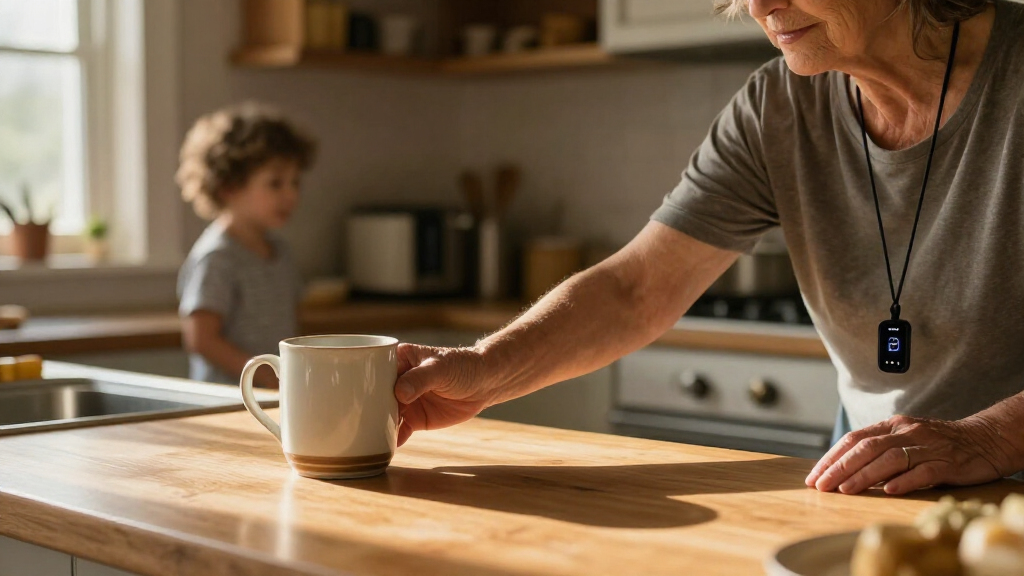
How We Picked
I compared the 12 listed products by how well their stated features address the central need: getting help after a fall when the wearer may not be able to press a button. I gave weight to the type of fall-detection offering, whether the listing identifies professional monitoring or optional monitoring, and whether two-way calling or GPS may help when the wearer is away from home. I also considered the likely day-to-day burden of wearing, charging, setting up, and maintaining each type of device, along with whether its format is easy to distinguish from other options in this lineup.
The ranking favors options with a clearly defined use case and a plausible path from fall alert to assistance, rather than products with the largest feature list. Home systems rank well for people who spend most of their time indoors; mobile pendants and wristbands rise for users who need location and calling features outside the home. Smartwatches sit lower when their extra capabilities may add setup or charging demands without making monitoring arrangements clear. Product names alone do not confirm detection accuracy, service coverage, or response procedures, so I recommend checking those details with the seller before choosing.
| automatic fall detection devices for senior | Water resistance |
|---|---|
| ADT Medical Alert Plus In-Home | — |
| Family First Alert MG Mini Med | Suitable for shower use |
| ADT On-the-Go Emergency Medica | IP57 |
| Nomo Smart Care Medical Alert | — |
| Seculife Medical Alert Smartba | IP67; listed depth of 1 meter |
| Fajocru Fall Detection Smartwa | IP67 |
| SecuLife SOS Wristband with Fa | IP67 |
| Family First Alert MGMini Medi | Water-resistant; suitable for shower use |
| SecuLife Medical Alert Pendant | IP67 |
| Seculife Medical Alert Smartba | IP67; listed depth of 1 meter |
| Fall Detection Watch for Senio | IP67 |
| Fajocru Senior Safety Smartwat | IP67 |
Factors to Consider When Choosing Automatic Fall Detection Devices For Seniors
Before choosing a device, I would start with the senior’s routine and the people expected to respond to an alert. The details below can help prevent a common mismatch: buying a feature-rich wearable when a simple monitored home setup would be easier to use, or choosing a home-only system for someone who spends much of the day out.
Match the device to where falls are most likely
Think through a typical week rather than choosing by product category alone. Someone who spends most of the day at home may get more practical value from an in-home system such as the ADT Medical Alert Plus than from a GPS smartwatch. A senior who walks, shops, or visits friends alone may need a wearable that can communicate outside the home, making GPS-capable options more relevant. Ask whether the device can call for help wherever it will be worn and what happens if the wearer leaves its coverage area. A common mistake is treating a home response unit and a mobile wearable as interchangeable when their coverage and connection needs can differ. Choose the form that fits the actual routine, then verify its service area and connection requirements.
Check who receives an alert and what happens next
Fall detection only helps if an alert reaches someone able to respond. Listings in this roundup refer to 24/7 monitoring, optional fall detection, SOS alerts, and two-way calling, but those terms do not all describe the same response chain. Ask whether a fall alert goes to a staffed response center, family contacts, or both, and whether the wearer can speak to the recipient through the device. Find out what the service does if nobody answers, and whether monitoring requires a separate enrollment or ongoing service. Do not assume that a product labeled “medical alert” automatically includes professional monitoring. A clear response plan matters more than a feature label when the senior cannot explain what happened.
Treat fall detection as a prompt, not a guarantee
Automatic detection can be helpful when a person cannot press an SOS button, but buyers should not rely on it as the only route to assistance. Ask the seller how the device handles a suspected fall, whether the wearer can cancel a false alarm, and what happens if the device loses its connection. Detection may not identify every fall, and normal movements can sometimes trigger an alert. A wearable with an accessible manual SOS button offers another way to request help when the automatic feature does not respond as expected. Discuss the device with the senior so they know how to answer, cancel, or place a call. For higher-risk situations, pair the device with a simple household response plan rather than treating the wearable as a substitute for one.
Choose a wearable the senior will actually keep on
Comfort and routine can decide whether a device is available during a fall. Pendants, wristbands, and watches feel different on the body, and a senior who dislikes a bulky or unfamiliar wearable may leave it on a counter. Ask the wearer which style feels least intrusive and whether they can put it on, remove it, and operate its controls without help. Consider water exposure during bathing, since falls can happen in bathrooms and not every device has the same use limits. Smartwatches may add calling or health features, but a simpler pendant can be easier for someone who wants one clear purpose. Check fit and wearing instructions before relying on any device as an everyday safety aid.
Plan for charging, cellular service, and upkeep
GPS, calling, and frequent location updates rely on power and connectivity, so a mobile wearable can bring more maintenance than a home unit. Ask how often the device needs charging under typical use, how it signals a low battery, and whether a family member can check its status. Confirm which cellular networks or service arrangements it needs and whether it works in the places the senior regularly visits. A watch with several connected features may be less useful if it is often uncharged or outside coverage. Build charging into an existing daily habit, such as getting ready for bed, while checking whether the device can remain worn during that period. Simpler routines are often more dependable than adding features the household cannot maintain.
Compare the full service arrangement, not just the device
Buyers can focus on the hardware and miss the ongoing requirements that make an alert system usable. Check whether monitoring is included, optional, or unavailable, and ask what service or connectivity arrangements are needed after setup. For products described as having optional fall detection, confirm how that feature is activated and whether it changes the device’s response process. Ask who maintains contact information and emergency instructions if family circumstances change. A lower-complexity device may be a better fit if the senior or caregiver can manage its routine, while a connected watch may suit a household prepared to maintain its settings and charging. Make the final choice only after the senior and caregiver understand their respective roles when an alert arrives.
Frequently Asked Questions
Does a fall detection device automatically call emergency services?
Not always. The response depends on the device and its service arrangement: an alert may go to a monitoring center, selected family contacts, or another recipient. Some products include professional monitoring, while others may rely on the wearer or a caregiver to act on an alert. Before buying, ask exactly who receives an automatic fall alert, whether the device supports two-way communication, and what happens if nobody responds. Keep the emergency plan aligned with the device’s actual capabilities rather than assuming it contacts emergency services on its own.
Should I choose a home system or a GPS wearable?
Choose based on where the senior spends time and where help may be needed. A home system can suit someone who is usually indoors, while a GPS-enabled pendant or wristband may be more fitting for someone who goes out without a companion. GPS does not by itself provide fall detection or a response team, so confirm how alerts are sent and who can act on them. If the senior moves between home and community settings, ask whether a device works in both places and whether it needs a separate connection or service. The best fit is the one that will be worn and connected during the times help could be needed.
Can I rely on automatic fall detection instead of an SOS button?
No single automatic feature should be treated as a guaranteed way to summon help. Detection can miss some falls or mistake certain movements for a fall, so an easy-to-reach SOS control remains useful. Check whether the wearer can cancel a false alert and whether they can speak to someone after an alert is sent. Practice what to do after a fall, including how to call for help if the device does not respond. If pressing a button may be difficult, prioritize a clear automatic alert path while keeping other household support in place.
What should I verify about the Family First Alert MG Mini and MGMini?
The listed names describe different configurations, so I would not assume they offer identical features. The MG Mini listing specifies 24/7 monitoring, while the MGMini listing describes fall detection as optional. Confirm the exact model, whether fall detection is included or must be added, and which monitoring arrangement applies to the specific device you are buying. Ask how alerts are routed and whether any setup or service steps are needed to activate the features. This extra check can prevent choosing a pendant based on a feature shown only on a related listing.
Are smartwatches a better choice than medical alert pendants for seniors?
A smartwatch may suit someone who wants GPS, calling, or additional health features in one wearable and is comfortable with charging and setup. A dedicated pendant may be easier for a senior who wants a clear emergency function without extra menus or settings. Neither format is automatically better for fall detection; buyers should compare how detection works, who receives alerts, and whether the device stays connected during daily use. Also check whether the wearer can comfortably operate the controls and keep the battery charged. Choose for consistent use and a clear response plan, not for the largest feature list.
Conclusion
For the best overall fit, I would start with the ADT Medical Alert Plus if the senior spends most of the day at home and wants a dedicated response system with fall detection. For a mobile lifestyle, the SecuLife SOS Wristband is a standout option to compare because its listed GPS and two-way calling address needs beyond the home. For value, I would compare the Family First Alert MG Mini with the MGMini carefully, confirming whether monitoring and fall detection are included in the exact configuration. For beginners, a straightforward monitored pendant or home system is a better starting point than a smartwatch with more setup and charging demands; the ADT home option is worth reviewing for that use. For seniors who want watch-style communication or extra connected features, compare the Fajocru and SecuLife smartwatches, but verify service, coverage, and battery routines first. The right choice is the device the senior will wear consistently and the household can support when an alert arrives.