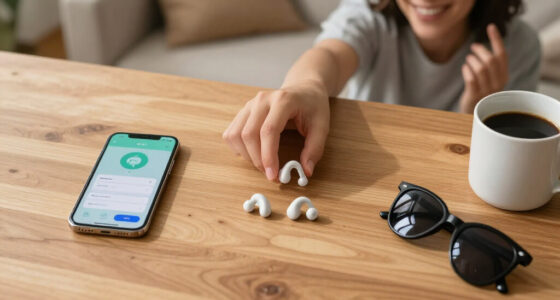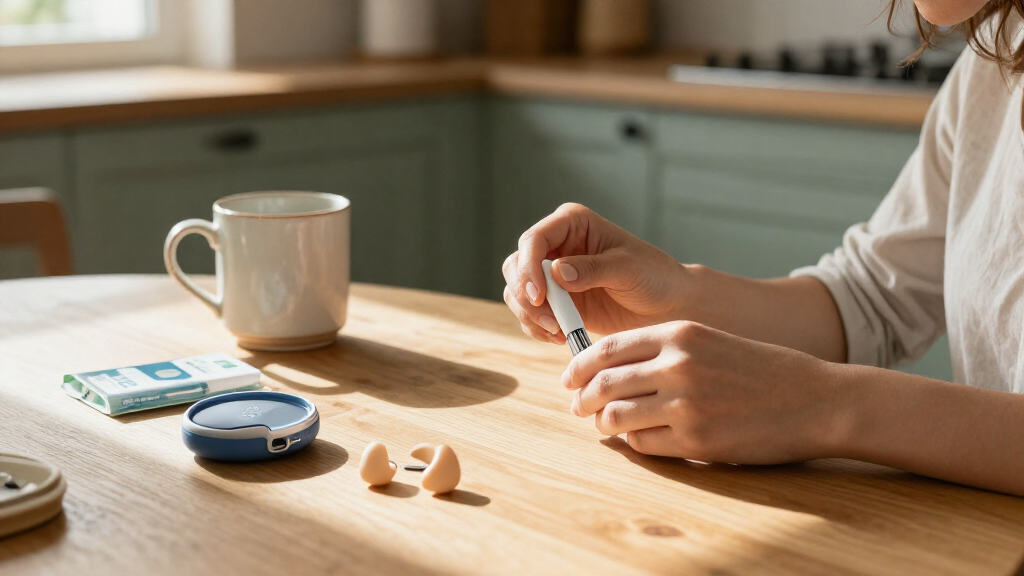
Hearing aid cleaning kits range from compact brush-and-loop sets to disposable wipes and powered cleaning systems. My best overall pick is the ARRITZ 11-Piece Hearing Aid Cleaning Kit, which offers a useful mix of tools and a storage case without the complexity of an electric device. The 15-Piece Hearing Aid Earbud Cleaning Kit stands out for a broader manual-tool selection, while the 100 Count Hearing Aid Cleaning Wipes Kit suits buyers who prefer quick, low-effort surface cleaning. The main tradeoff is between simple, portable maintenance and specialized tools or powered features that may need more care themselves. Read on for the full breakdown of all 13 options and how to choose a kit that fits your devices and routine.

Get everyday helpers delivered free with Prime
- Fast, free delivery on millions of items
- Prime Video, Amazon Music and more included
- Member-only deals all year
Complete the kit


Key Takeaways
- The manual kits differ most in tool variety and organization: the ARRITZ 11-piece and 15-piece sets offer more options than basic eight-piece kits, while cases help keep small tools together.
- Disposable supplies serve a different routine from reusable tools: the 100-count wipe pack favors quick surface care, whereas the two 50-count nylon-strand kits focus on clearing narrow openings.
- Powered cleaning adds complexity as well as capability: the nine-level vacuum offers adjustable suction and multiple needle sizes, while the PerfectClean combines drying and UV-C functions in one system.
- Device compatibility deserves more attention than piece count: the Oticon and Phonak-focused kit has a narrower stated fit than general-purpose options, so buyers should check their hearing aid instructions before using any tool.
- There is no single kit for every cleaning task: a basic case-based set suits routine upkeep, while moisture management, disposable wipes, or narrow-channel cleaning may call for a more specialized option.
| Anico Hearing Aid and Earbud Cleaning Kit, 8 Pieces |  | Best for Brush Variety | Brand: Anico | Piece count: 8 | Brush styles: 7 | VIEW LATEST PRICE | See Our Full Breakdown |
| 8-Piece Hearing Aid Cleaning Tool Kit with Carry Case |  | Best for Basic Maintenance | Brand: Anico | Model: HACTK8 | Number of items: 8 | VIEW LATEST PRICE | See Our Full Breakdown |
| Hearing Aid Cleaning Kit for Oticon and Phonak Wireless Rechargeable |  | Best for Rechargeable Models | Compatibility: Oticon and Phonak rechargeable Bluetooth hearing aid models | Components: Precision pen, brush, spray bottle, cleaning cloth, magnetic tip | Bristle material: Soft nylon | VIEW LATEST PRICE | See Our Full Breakdown |
| Hearing Aid Cleaner Kit with Nylon Strands – 50 Count |  | Best for Narrow Vents and Tubes | Count: Title states 50; specifications state 200 reusable strands | Material: Nylon | Probe type: Rigid probes on both ends | VIEW LATEST PRICE | See Our Full Breakdown |
| Hearing Aid Vacuum Cleaner, 9-Level Adjustable Suction 30–60kPa, Built-in Filter, 6 Sizes Cleaning Needles & LED Light & Display Screen, Mini Vacuum Cleaning Machine for Hearing Aids, Earbuds & IEMs |  | Best Powered Cleaning Option | Suction levels: 9 | Suction range: 30–60 kPa | Built-in filter: Yes | VIEW LATEST PRICE | See Our Full Breakdown |
| Hearing Aid and Earbud Cleaning Kit |  | Best for Tool Variety | Included tools: Fine and double-ended brushes, pass pin, screwdriver, tweezers, cleaning line, spray bottle, rubber air blower, and cleaning cloths | Storage: Clear plastic case | Primary use: Cleaning small hearing aid components | VIEW LATEST PRICE | See Our Full Breakdown |
| ARRITZ 11-Piece Hearing Aid Cleaning Kit with Brushes and Storage Case |  | Best for Multi-Device Households | Piece count: 11 | Included tools: Brushes, wax loops, screwdriver, vent cleaners, steel pick, and soft cloth | Storage: Zippered case | VIEW LATEST PRICE | See Our Full Breakdown |
| 15-Piece Hearing Aid Earbud Cleaning Kit with Wax Loop and Carry Case |  | Best for Broadest Tool Selection | Piece count: 15 | Included tools: Screwdriver, vent cleaner, steel pick, brush, wax loop, multipurpose tool, cleaning cloth, and carry case | Primary use: Hearing aids, earbuds, headphones, and jewelry | VIEW LATEST PRICE | See Our Full Breakdown |
| 50-Count Hearing Aid Cleaner Kit with Nylon Strands |  | Best for Tube and Vent Cleaning | Quantity: 50 cleaning strands | Material: Nylon | Design: Thread-fine strand with stiff ends and a soft yarn brush center | VIEW LATEST PRICE | See Our Full Breakdown |
| 12-Piece Hearing Aid Cleaning Kit with Wax Loop and Storage Case |  | Best for Organized Storage | Included items: Screwdriver, tube brush, two vent cleaners, wax loop brush, shell removal tool, magnet brush, earwax guard cleaner, multifunction brush, cleaning cloth, hard-shell zipper case, and hearing aid storage box | Handle material: ABS | Bristle material: Nylon | VIEW LATEST PRICE | See Our Full Breakdown |
| 100 Count Hearing Aid Cleaning Wipes Kit |  | Best for Portable, Low-Mess Cleaning | Count: 100 wipes | Alcohol-free: Yes | Unfolded size: 3.15 x 3.15 inches | VIEW LATEST PRICE | See Our Full Breakdown |
| Hearing Aid Cleaning Kit with Case, 8 Pieces |  | Best for Tool-Based Detail Cleaning | Pieces: 8 | Included tools: Steel pick, vent cleaner, screwdriver, cleaning brushes, vent brush tube tool, microfiber cloth | Storage: Compact case | VIEW LATEST PRICE | See Our Full Breakdown |
| PerfectClean Hearing Aid and Earbud Cleaner, Dryer, and UV-C Sanitizing System |  | Best Premium Automated Cleaning System | Total cycle: 60 minutes | Wash cycle: 20 minutes | Dry cycle: 40 minutes | VIEW LATEST PRICE | See Our Full Breakdown |
More Details on Our Top Picks
Anico Hearing Aid and Earbud Cleaning Kit, 8 Pieces
The seven nylon brush styles make this Anico kit a good fit for routine surface cleaning across hearing aids, ear molds, earplugs, and earbuds. Compared with the 8-Piece Hearing Aid Cleaning Tool Kit with Carry Case, it focuses more on brush options and less on maintenance tools such as a screwdriver, tube brush, or cleaning wire. Its magnetic brush head can help with handling small hearing aid batteries, while the carrying case keeps the reusable tools together for travel or bedside storage.
The tradeoff is a narrower toolkit: it is designed for cleaning, not repair, and the product details do not identify which brush is meant for each area. I’d choose it for buyers who want several gentle brushes, but skip it if you need a clearly specified tool for clearing tubing or carrying out basic adjustments.
Pros:- Seven brush styles offer options for different device surfaces and cleaning areas
- Reusable nylon brushes are designed to clean without scratching devices
- Magnetic brush head can help handle small hearing aid batteries
- Carrying case supports storage and portability
Cons:- Does not include dedicated repair or disassembly tools
- Individual brush dimensions and intended uses are not specified
Best for: Hearing aid owners who want several reusable brush styles for routine cleaning of devices and ear molds
Not ideal for: Buyers who need a tube brush, cleaning wire, or basic maintenance tools, since this kit is primarily a brush set
- Brand:Anico
- Piece count:8
- Brush styles:7
- Materials:Nylon, plastic, metal
- Included components:Brush, wand, carrying case
- Special feature:Magnetic brush head
- Dimensions:3.9 x 1.5 x 1.1 in
- Weight:1.12 oz
Our verdict“Choose this Anico kit if brush variety matters more than having tube-cleaning or maintenance tools in the case.”
8-Piece Hearing Aid Cleaning Tool Kit with Carry Case
This Anico set earns its place by covering more than surface brushing: the wax loops, tube brush, cleaning wire, screwdriver, and housing disassembly tool give owners several ways to address routine buildup and simple maintenance. That makes it a more versatile choice than the Anico Hearing Aid and Earbud Cleaning Kit, 8 Pieces, which offers more brush styles but fewer specialized tools. A magnet for batteries and reusable nylon brushes round out the kit, while the case keeps the pieces together.
The extra functions come with a learning curve. The product information does not give tool dimensions or explain how to use each item, so first-time owners may prefer a simpler brush kit or guidance from their hearing-care professional before attempting disassembly. Case color details also conflict, and this set is not a substitute for professional repair.
Pros:- Combines brushes with wax loops, a tube brush, and cleaning wire
- Screwdriver and housing disassembly tool add basic maintenance options
- Magnet can help remove and insert hearing aid batteries
- Reusable nylon brushes and a carry case support repeat use and storage
Cons:- Tool dimensions and instructions are not specified in the product details
- The listed case colors conflict between gray and black
- Disassembly tools may be unsuitable for owners unfamiliar with device maintenance
Best for: Hearing aid owners who already know how to use wax loops and tube tools and want a compact set for routine upkeep
Not ideal for: Beginners who want clearly explained tools or anyone seeking professional repair equipment
- Brand:Anico
- Model:HACTK8
- Number of items:8
- Brush material:Nylon
- Handle material:ABS
- Other materials:Metal, magnet
- Included items:Magnetic brush with wax loop, multifunction cleaning brush, screwdriver, housing disassembly tool, brush with wax loop, tube brush, cleaning wire, cleaning cloth, carry case
- Compatible items:Hearing aids, earbuds, headphones, ear molds, earplugs
Our verdict“Pick this set over the brush-focused Anico kit if you want more maintenance tools and are comfortable using them carefully.”
Hearing Aid Cleaning Kit for Oticon and Phonak Wireless Rechargeable
Unlike the mainly manual brush sets in this roundup, this kit pairs a precision pen, soft nylon brush, spray bottle, cloth, and magnetic tip for owners of modern rechargeable Bluetooth hearing aids. Its stated compatibility with Oticon and Phonak models gives it a more targeted role than the broader Anico kits, which list hearing aids and other small audio devices without calling out rechargeable models. The lightweight travel case also suits owners who want their cleaning supplies together away from home.
That specialization is the main tradeoff: the product description warns that older non-Bluetooth hearing aids may not be compatible. It also does not specify the spray contents or give detailed instructions, so I would check the guidance for your exact device before applying any liquid. Compared with the 8-Piece Hearing Aid Cleaning Tool Kit with Carry Case, this set is less focused on mechanical maintenance and more on a compact cleaning routine.
Pros:- Designed for modern rechargeable Bluetooth hearing aid models
- Includes a precision pen, brush, spray bottle, cloth, and magnetic tip
- Soft nylon bristles are suited to gentle cleaning
- Lightweight travel case keeps the components together
Cons:- May not suit older non-Bluetooth hearing aid models
- Spray contents and use instructions are not specified
- Offers fewer mechanical maintenance tools than the Anico 8-piece tool kit
Best for: Owners of compatible rechargeable Bluetooth hearing aids, particularly Oticon or Phonak users, who want a travel-ready cleaning set
Not ideal for: Owners of older non-Bluetooth models or buyers who need tube-cleaning and basic disassembly tools
- Compatibility:Oticon and Phonak rechargeable Bluetooth hearing aid models
- Components:Precision pen, brush, spray bottle, cleaning cloth, magnetic tip
- Bristle material:Soft nylon
- Case type:Lightweight travel case
- Guarantee:30-day money-back
- Use:Cleaning earwax, dust, and debris
Our verdict“Choose this targeted kit if your rechargeable Oticon or Phonak model is compatible and travel-friendly cleaning matters more than repair tools.”
Hearing Aid Cleaner Kit with Nylon Strands – 50 Count
These flexible nylon strands serve a different purpose from the brush-and-tool kits: rigid probes at both ends help guide a strand into narrow openings, while the soft yarn brush in the middle can collect wax and moisture. That design makes this pick more focused on vents and small passages than the Anico Hearing Aid and Earbud Cleaning Kit, 8 Pieces, whose seven brushes are better suited to varied surface cleaning. The listed compatibility spans several hearing aid styles as well as earbuds and other small devices.
The product title says 50 count, but the supplied specifications list 200 reusable strands; I would verify the package count before buying. The strands may also be too short for larger tubing systems, which can mean using more than one per cleaning session. Choose this for narrow openings, not as a complete kit: it lacks the case-and-tool assortment found in the Anico 8-piece set.
Pros:- Rigid probes on both ends can help guide strands into small openings
- Soft yarn brush in the middle is designed to lift wax and moisture
- Reusable nylon construction supports repeated cleaning
- Listed compatibility includes multiple hearing aid styles and small audio devices
Cons:- May be too short for larger tubing systems
- Product title and specifications give different count information
- Does not provide the broader tool selection or carry case of the Anico 8-piece kit
Best for: Hearing aid owners who regularly clean narrow vents or short tubes and want reusable strands with a soft central brush
Not ideal for: People cleaning larger tubing systems or buyers who want a full assortment of brushes, a case, and maintenance tools
- Count:Title states 50; specifications state 200 reusable strands
- Material:Nylon
- Probe type:Rigid probes on both ends
- Brush type:Soft yarn brush in the middle
- Compatibility:IIC, ITC, ITE, and BTE hearing aids; earbuds; in-ear monitors; tympanometer tubes; police radio earpieces
- Design:Flexible cleaning strands
- Reuse:Reusable
Our verdict“Choose these strands for narrow vents and small passages, but verify the package count and skip them for long tubing.”
Hearing Aid Vacuum Cleaner, 9-Level Adjustable Suction 30–60kPa, Built-in Filter, 6 Sizes Cleaning Needles & LED Light & Display Screen, Mini Vacuum Cleaning Machine for Hearing Aids, Earbuds & IEMs
This is the most equipment-focused option here: a powered vacuum with nine suction settings offers more control than the manual brushes, strands, and wax loops in the Anico kits. Its built-in filter, LED light, and LCD status display are intended to help users see and manage work in tiny openings, while 12 cleaning needles in six sizes provide different access widths. For someone regularly cleaning small audio components, the adjustable suction is the key distinction from the Hearing Aid Cleaner Kit with Nylon Strands, which relies on manual insertion and brushing.
That added control also means more setup and dependence on a powered device. The power source and battery life are not specified, and the unit is meant for small audio devices rather than larger cleaning jobs. Buyers who only need occasional wax removal may find a simple manual kit easier to store and use.
Pros:- Nine suction levels offer adjustable control for small-device cleaning
- Built-in filter captures debris during use
- LED light and LCD display help with visibility and operating status
- Includes 12 cleaning needles in six sizes
Cons:- Power source and battery life are not specified
- Designed for small audio devices, not larger cleaning tasks
- More equipment-focused than the simpler manual Anico and nylon-strand kits
Best for: Hearing aid or IEM owners who routinely clean small openings and want adjustable powered suction with illumination
Not ideal for: Occasional cleaners who prefer a simple, unpowered kit or buyers who need to clean larger equipment
- Suction levels:9
- Suction range:30–60 kPa
- Built-in filter:Yes
- LED light:Yes
- Display:LCD showing suction level and status
- Cleaning needles:12
- Needle sizes:6
- Intended devices:Hearing aids, earbuds, and IEMs
Our verdict“Choose this powered cleaner if you need adjustable suction for small openings; opt for a manual kit for simpler, occasional upkeep.”
Hearing Aid and Earbud Cleaning Kit
This kit earns its place for buyers who want more than brushes and a wax loop. Alongside fine and double-ended brushes, it includes a rubber air blower, tweezers, a cleaning line, and a spray bottle, giving you several ways to tackle dust and debris around small components. The blower is a useful distinction from the ARRITZ 11-Piece Hearing Aid Cleaning Kit, whose listed tools focus on brushes, picks, and vent cleaners. A clear case and soft cloths also make this set easier to organize and suitable for travel. The tradeoff is that its broad assortment is aimed at small parts and crevices; it is not a solution for larger cleaning jobs, and the description does not specify tool materials or dimensions.
Pros:- Includes brushes, tweezers, a cleaning line, and a rubber air blower for different small-part cleaning needs.
- The air blower offers a way to clear loose dust and debris without brushing.
- Soft cloths are intended for wiping surfaces without scratching.
- Clear plastic case keeps the assorted tools together for storage and travel.
Cons:- Designed for small hearing aid parts, so it may not suit larger cleaning tasks.
- The provided information does not specify tool materials or sizes.
Best for: Hearing aid owners who want several tool types, including an air blower, for routine cleaning of small components at home or while traveling.
Not ideal for: Buyers seeking a kit for larger cleaning tasks or who need detailed information about tool materials and dimensions before choosing.
- Included tools:Fine and double-ended brushes, pass pin, screwdriver, tweezers, cleaning line, spray bottle, rubber air blower, and cleaning cloths
- Storage:Clear plastic case
- Primary use:Cleaning small hearing aid components
- Air cleaning tool:Rubber air blower
- Surface cleaning:Soft cleaning cloths
- Additional cleaning tools:Cleaning line, pass pin, and tweezers
Our verdict“Choose this kit if you want an air blower and a varied set of tools for small hearing aid parts, but skip it for larger jobs or if you need detailed material specifications.”
ARRITZ 11-Piece Hearing Aid Cleaning Kit with Brushes and Storage Case
The ARRITZ kit is a practical choice for someone maintaining hearing aids alongside earbuds or other small electronics. Its 11-piece assortment includes brushes, wax loops, vent cleaners, a screwdriver, and a steel pick, while the soft cloth handles surface wiping. Unlike the 50-Count Hearing Aid Cleaner Kit with Nylon Strands, which focuses on clearing tubes and vents with disposable strands, ARRITZ supplies reusable-style hand tools for several kinds of cleaning tasks. The zippered case helps keep the pieces together between uses, and the listed secondary uses include charging ports, headphones, and ear molds. Its main drawback is the lack of material details for most tools, making it harder to judge their construction. It also offers fewer specified tool types than the broader Hearing Aid and Earbud Cleaning Kit.
Pros:- Eleven-piece selection covers brushes, wax loops, vent cleaners, and small hand tools.
- Zippered case provides portable storage for the kit.
- Soft cloth is intended to minimize scratches during surface wiping.
- Listed for use with hearing aids, earbuds, headphones, charging ports, and ear molds.
Cons:- Materials for most tools are not specified.
- Does not list an air blower or cleaning strands for tube-focused maintenance.
Best for: People who maintain hearing aids and earbuds or headphones and want one portable set of brushes, picks, and vent cleaners.
Not ideal for: Buyers who require specified tool materials or primarily need a supply of tube-cleaning strands rather than a multipurpose hand-tool set.
- Piece count:11
- Included tools:Brushes, wax loops, screwdriver, vent cleaners, steel pick, and soft cloth
- Storage:Zippered case
- Additional uses:Earbuds, headphones, smartphone charging ports, and ear molds
- Cleaning targets:Earwax, oil, and dust
- Tool materials:Not specified in the product description
Our verdict“Pick ARRITZ for a portable hand-tool kit shared across hearing aids and personal electronics, but choose a strand-based cleaner if tubes and vents are your main concern.”
15-Piece Hearing Aid Earbud Cleaning Kit with Wax Loop and Carry Case
For buyers who want a broad assortment in a compact kit, this 15-piece set offers a wax loop, vent cleaner, steel pick, brushes, a screwdriver, and other small tools. That gives it a wider stated piece count than the 12-Piece Hearing Aid Cleaning Kit with Wax Loop and Storage Case, while also listing cleaning for small electronics and jewelry. Its carry case makes the assortment easier to bring along, and the description calls out gentle bristles for delicate components. The tradeoff is handling: the tools are small, which can be awkward for anyone with limited dexterity. The product data also warns that plastic components may not hold up as well over time as metal alternatives. Compared with the air-blower-equipped Hearing Aid and Earbud Cleaning Kit, this set emphasizes tool variety rather than blowing out loose debris.
Pros:- Fifteen-piece set includes several tool types for small cleaning tasks.
- Carry case supports portable storage and organization.
- Gentle bristles are intended for delicate hearing aid components.
- Listed for hearing aids, earbuds, headphones, and jewelry.
Cons:- Small tools may be difficult to handle for users with limited dexterity.
- Plastic components may be less durable than metal alternatives.
- No air blower is listed for clearing loose debris.
Best for: Hearing aid and earbud owners who want a large assortment of compact tools for routine cleaning at home or on the go.
Not ideal for: People with limited hand dexterity or buyers who prioritize durable metal construction and an air blower.
- Piece count:15
- Included tools:Screwdriver, vent cleaner, steel pick, brush, wax loop, multipurpose tool, cleaning cloth, and carry case
- Primary use:Hearing aids, earbuds, headphones, and jewelry
- Storage:Compact carry case
- Portability:Compact and lightweight
- Brush design:Gentle bristles for delicate components
- Construction tradeoff:Some plastic components may be less durable than metal alternatives
Our verdict“Choose this set if you value a broad, portable selection of small cleaning tools, but look elsewhere if dexterity or long-term tool durability is a priority.”
50-Count Hearing Aid Cleaner Kit with Nylon Strands
This is the most focused option in the group: rather than a collection of brushes and picks, it supplies 50 nylon cleaning strands for tubes and vents. Each strand has stiff ends for insertion and a soft yarn brush at the center, so it targets wax and moisture along a narrow passage. That makes it a better match for tube-focused upkeep than the ARRITZ 11-Piece Hearing Aid Cleaning Kit, which offers a broader range of hand tools but no listed strands. The stated compatibility also covers several hearing aid styles, earbuds, and in-ear monitors. The tradeoff is a more limited job range: these strands do not replace a brush-and-cloth kit for exterior surfaces. They are also disposable, and the product calls for careful insertion to avoid bending them.
Pros:- Fifty strands provide a ready supply for repeated tube and vent cleaning.
- Soft yarn brush center is designed to clean along the strand’s length.
- Nylon construction is intended for use with hearing devices.
- Compatibility includes multiple hearing aid styles, earbuds, and in-ear monitors.
Cons:- Disposable design creates more waste than reusable tool kits.
- Requires careful manual insertion to avoid bending the strands.
- Does not include the broader brush, cloth, and pick selection found in kits such as ARRITZ.
Best for: Hearing aid owners with tubes or vents who want a ready supply of narrow cleaners for wax and moisture removal.
Not ideal for: Buyers looking for an all-purpose kit with brushes, cloths, and tools for cleaning device exteriors, or anyone who wants reusable tools.
- Quantity:50 cleaning strands
- Material:Nylon
- Design:Thread-fine strand with stiff ends and a soft yarn brush center
- Primary use:Removing wax and moisture from hearing aid tubes and vents
- Hearing aid compatibility:Thin tube, vent air, IIC, ITC, and ITE devices
- Other compatibility:Earbuds, in-ear sound monitors, tympanometer tubes, and police radio earpieces
- Use type:Ready-to-use disposable cleaners
Our verdict“Choose these strands for recurring tube and vent maintenance, but pair them with or choose another kit if you also need tools for exterior cleaning.”
12-Piece Hearing Aid Cleaning Kit with Wax Loop and Storage Case
This kit stands out for combining a substantial range of small cleaning tools with both a hard-shell zipper case and a hearing aid storage box. Its listed tools include a tube brush, two vent cleaners, a wax loop brush, a magnet brush, an earwax guard cleaner, and a shell removal tool. Compared with the 15-Piece Hearing Aid Earbud Cleaning Kit, it lists fewer pieces but gives more detail about materials: ABS handles, nylon bristles, and corrosion-resistant metal tools. That information can help buyers understand what they are handling, while the hard case offers more structure than a basic carry case. The tradeoff is that the pieces are small and may be easy to misplace, and the case dimensions are not provided. It is a hand-tool kit, not a strand supply like the 50-count cleaner.
Pros:- Includes tools for tubes, vents, wax guards, and other small hearing aid parts.
- ABS handles, nylon bristles, and corrosion-resistant metal tools are specified.
- Hard-shell zipper case and hearing aid storage box provide two storage options.
- Listed for hearing aids and several other small devices.
Cons:- Small tools may be easy to misplace.
- Case dimensions are not specified.
- Unlike the 50-Count Hearing Aid Cleaner Kit with Nylon Strands, it does not provide a bulk supply of tube-cleaning strands.
Best for: Hearing aid owners who want a clearly specified mix of brushes and picks plus separate storage for tools and the device.
Not ideal for: People who tend to misplace small accessories, need case dimensions before buying, or mainly want disposable tube-cleaning strands.
- Included items:Screwdriver, tube brush, two vent cleaners, wax loop brush, shell removal tool, magnet brush, earwax guard cleaner, multifunction brush, cleaning cloth, hard-shell zipper case, and hearing aid storage box
- Handle material:ABS
- Bristle material:Nylon
- Metal tool finish:Corrosion-resistant
- Compatible devices:Hearing aids, earbuds, headphones, smartphone charging ports, computer keyboards, and ear molds
- Tool storage:Hard-shell zipper case
- Device storage:Hearing aid storage box
Our verdict“Choose this kit if you want a varied, material-specified tool set with dedicated storage, but skip it if small loose pieces are hard for you to manage.”
100 Count Hearing Aid Cleaning Wipes Kit
For routine surface cleanup away from home, this kit’s 100 individually wrapped, alcohol-free wipes are more convenient than carrying the brushes and picks in the Hearing Aid Cleaning Kit with Case, 8 Pieces. The single-use format helps keep a fresh wipe ready for sweat, oil, fingerprints, and dust, while its stated compatibility spans many major hearing aid brands. These wipes can also clean small electronics, which adds flexibility, though their modest 3.15-inch unfolded size is better suited to hearing aids than broad surfaces. The tradeoff is that wiping does not replace targeted vent cleaning with a tool kit, and the product does not claim disinfecting or antimicrobial action. Choose it for quick, simple cleaning; skip it if you need to clear wax from vents or want a full maintenance set.
Pros:- Alcohol-free wipes are intended for hearing aids and other small electronics.
- Individual wrapping makes it easy to carry a few wipes without bringing the full box.
- 100 wipes provide a ready supply for regular surface cleaning.
- Compatibility includes many major hearing aid brands.
Cons:- Wipes clean surfaces but do not provide claimed disinfecting or antimicrobial protection.
- The small unfolded wipe is less suited to larger electronics surfaces.
- Wipes cannot reach into vents as directly as brushes and picks.
Best for: Hearing aid wearers who want individually wrapped wipes for quick surface cleaning at work, while traveling, or after exercise.
Not ideal for: Buyers who need vent picks, brushes, or wax removal tools, or who expect disinfecting or antimicrobial protection from their cleaning supplies.
- Count:100 wipes
- Alcohol-free:Yes
- Unfolded size:3.15 x 3.15 inches
- Wrapped package dimensions:2.36 x 1.97 inches
- Compatible brands:Oticon, Widex, Phonak, Starkey, Resound, Unitron, Signia, Rexton, Philips, and others
- Other stated uses:Small electronics, including earbuds and phones
Our verdict“Choose these wipes for portable, straightforward surface cleaning, but pick a tool-based kit if vents and debris removal are your priority.”
Hearing Aid Cleaning Kit with Case, 8 Pieces
This is the more useful pick when cleaning means reaching into vents and narrow openings, not simply wiping device surfaces. Its eight-piece assortment includes brushes, a steel pick, a vent cleaner, a screwdriver, and a microfiber cloth, giving it more targeted options than the 100 Count Hearing Aid Cleaning Wipes Kit. The compact case helps keep the assortment together during travel, though the small tools may still be easy to misplace once removed. The set also suits earbuds, ear molds, earplugs, and earphones, making it a flexible choice for someone maintaining several small listening devices. The tradeoff is that the product data gives few material or size details for most tools, and it does not offer the wash-and-dry function of the PerfectClean Hearing Aid and Earbud Cleaner. Pick it for hands-on upkeep, not automated cleaning.
Pros:- Eight-piece assortment covers several manual cleaning and maintenance tasks.
- Brushes and vent tools target debris in hard-to-reach areas.
- Compact case keeps the tools together for storage and travel.
- Stated compatibility includes hearing aids, earbuds, ear molds, earplugs, and earphones.
Cons:- Small pieces can be misplaced when taken out of the case.
- Material and size details are not provided for most tools.
- Manual cleaning requires more handling than wipes or an automated cleaner.
Best for: Hearing aid and earbud owners who want a compact manual set for brushing vents and handling small maintenance tasks.
Not ideal for: Buyers who prefer disposable, low-effort surface cleaning or want an automated washing and drying system rather than hand tools.
- Pieces:8
- Included tools:Steel pick, vent cleaner, screwdriver, cleaning brushes, vent brush tube tool, microfiber cloth
- Storage:Compact case
- Compatible devices:Hearing aids, earbuds, ear molds, earplugs, and earphones
Our verdict“Choose this kit for compact, hands-on vent and detail cleaning; skip it if you want a wipe-only routine or automated washing and drying.”
PerfectClean Hearing Aid and Earbud Cleaner, Dryer, and UV-C Sanitizing System
Unlike the Hearing Aid Cleaning Kit with Case, 8 Pieces, which depends on manual brushing and picking, PerfectClean combines a 20-minute wash, a 40-minute drying cycle, and built-in UV-C in one countertop device. One-touch operation and automatic shutoff reduce hands-on steps, while regulated heat up to 102°F is specified for use with compatible devices, including rechargeable hearing aids. That convenience comes with a longer routine: each cycle takes 60 minutes, and operation requires replaceable PerfectClean solution cartridges. The manufacturer advises using authentic cartridges, so this is less flexible than the 100 Count Hearing Aid Cleaning Wipes Kit, which needs no dedicated refill system. It also takes more space and setup than a small case of tools. This is the strongest fit for buyers seeking an automated wash-and-dry process, not for occasional quick cleanups.
Pros:- Combines washing, pulsed-air drying, and a built-in UV-C lamp in one system.
- One-touch operation and automatic shutoff reduce manual steps.
- Temperature regulation reaches a stated maximum of 102°F.
- Stated compatibility includes hearing aids, earbuds, in-ear monitors, PSAPs, and electronic hearing protection.
Cons:- A complete cleaning and drying cycle takes 60 minutes.
- Operation requires replaceable PerfectClean solution cartridges.
- The manufacturer advises using authentic cartridges, limiting refill flexibility.
Best for: Hearing aid owners who want a dedicated automated wash, dry, and UV-C system and are comfortable maintaining it with the required solution cartridges.
Not ideal for: Travelers, occasional cleaners, or buyers who do not want a countertop device, a 60-minute cycle, or ongoing dependence on proprietary replacement cartridges.
- Total cycle:60 minutes
- Wash cycle:20 minutes
- Dry cycle:40 minutes
- Cleaning method:Spinning Power Vortex system and cleaning solution
- Drying method:Pulsed hot air fan
- UV-C lamp:Built in
- Maximum regulated temperature:102°F
- Cartridge:One included; replaceable PerfectClean solution cartridges required
- Warranty and classification:2-year warranty; FDA-registered Class 1 Medical Device
Our verdict“Choose PerfectClean if you want automated washing and drying and accept cartridge upkeep; choose wipes or a tool kit for simpler, more portable cleaning.”
How We Picked
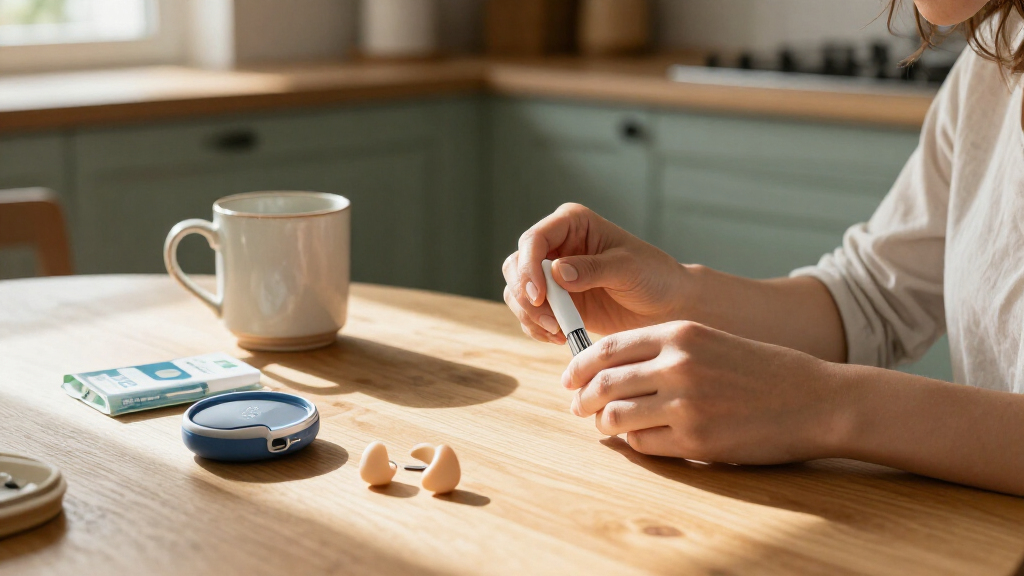
I compared these 13 hearing aid cleaning kits by the jobs they appear designed to handle: routine surface cleaning, wax removal, care for narrow openings, moisture management, and tool storage. I looked at tool variety, ease of handling, portability, and maintenance needs, while distinguishing reusable brushes and loops from consumables such as wipes and nylon strands. Powered options were judged on the added functions described, but also on whether their extra equipment and care demands make sense for everyday users.
The ranking favors kits that offer a practical balance of useful tools, straightforward upkeep, and broad everyday appeal. More specialized products rank higher for their intended tasks, not as universal replacements for a simple kit. I treated product titles and listed features as the available evidence; buyers should confirm compatibility and follow their hearing aid maker’s cleaning instructions, especially before using suction, strands, liquids, or UV-C equipment.
Factors to Consider When Choosing Hearing Aid Cleaning Kits
Choosing among these kits is less about collecting the most tools and more about matching the kit to your hearing aid design, cleaning routine, and comfort handling small parts. These broader checks can help prevent a common mistake: buying a feature-rich set that includes tools you cannot safely use.
Match the tools to your hearing aid design
Different hearing aids expose different parts for cleaning, and a tool that reaches one opening may not suit another. Before buying, check the care instructions for your exact model and note which areas the manufacturer says you may clean yourself. A brush or wax loop may be suitable for some accessible surfaces, but narrow openings can call for a different method—or professional service. Avoid choosing by piece count alone: extra picks and strands are not useful if they do not match the approved care routine. If you wear more than one style of device, prioritize a kit with clearly distinct tools and instructions rather than assuming every attachment is interchangeable.
Choose reusable tools or consumables for your routine
Reusable brushes and loops suit people who want a small kit available for regular upkeep, while wipes and nylon strands are consumable supplies that need replacement. Wipes can make surface care convenient, but they do not replace tools designed for debris in particular openings. Nylon strands may be useful for a task they are approved for, yet they are not a universal cleaning method. Think about where and how often you clean: a compact reusable set may be easier to keep by your hearing aid case, while consumables can be handy to store in several locations. Check replacement availability and the maker’s instructions before treating any consumable as suitable for every component.
Decide whether powered features solve a real problem
A vacuum, dryer, or UV-C system can add functions beyond a basic manual kit, but it also adds equipment to store, maintain, and learn to operate. Consider a powered system when its listed features address a recurring need in your routine, rather than paying attention to the number of settings or functions alone. Adjustable suction and multiple attachments may offer flexibility, but they do not mean every setting or needle is appropriate for every hearing aid. Drying and sanitizing features should also be checked against device-maker guidance. If routine brush cleaning is all you need, a manual set is simpler and leaves fewer operating questions.
Treat compatibility claims as a starting point
A kit that names particular hearing aid brands or rechargeable models may appeal to owners of those devices, but a brand name alone does not prove that every tool fits every model. Compare the kit’s intended use with your device’s instructions, especially for charging contacts, microphones, receiver openings, and other delicate parts. Do not assume a tool made for earbuds is automatically suitable for a hearing aid. When compatibility details are unclear, ask the manufacturer or hearing care professional before use. This small check can matter more than choosing between two kits with similar tool counts.
Consider handling, visibility, and storage
Cleaning tools are often small, so ease of gripping and seeing the area being cleaned can matter as much as the tool itself. A storage case can keep pieces together, but it will not help if the compartments are hard to open or the tools are difficult to distinguish. Buyers with limited dexterity may prefer a simpler set with fewer pieces they can identify quickly. A built-in light or display may aid visibility on a powered device, though it also adds controls to manage. Keep the kit in a dry, consistent location and store loose tools away from children and pets.
Know when home cleaning is not the answer
A cleaning kit is for routine care, not repair or diagnosis. If a hearing aid remains blocked, sounds distorted, or behaves differently after cleaning, repeated probing can damage delicate parts. Follow the manufacturer’s guidance and contact a hearing care professional when the problem persists or the device needs internal service. Buyers sometimes mistake a large tool assortment for permission to clean every opening; use only the methods approved for the specific device. Spending more on extra tools is less useful than getting professional help when a problem falls outside basic maintenance.
Frequently Asked Questions
Can I use one of these kits on any hearing aid?
No single kit should be assumed to fit every hearing aid or every component. The lineup includes general-purpose manual sets as well as a kit that specifically names Oticon and Phonak wireless rechargeable devices, but that wording does not confirm compatibility with every model. Check your device’s care instructions and compare them with the tools included before use. If the instructions do not mention a tool or cleaning method, ask your hearing care professional rather than testing it on a delicate opening.
Should I choose a hearing aid vacuum or a manual brush kit?
A manual kit is usually the simpler choice for routine surface care and basic upkeep, while a vacuum is a more specialized powered option. The nine-level vacuum in this roundup adds adjustable suction, a filter, multiple cleaning needle sizes, and a light, but its extra features call for careful use and device-specific guidance. Do not assume a higher suction setting is better or safe for every opening. If you mainly need a portable set of familiar tools, a manual kit is easier to store and operate.
Are cleaning wipes enough to maintain my hearing aids?
Wipes can support quick surface cleaning, but they do not replace every tool or cleaning task. The 100-count wipe kit is geared toward buyers who value a ready-to-use consumable, while brush-and-loop sets address different kinds of accessible debris. Check that a wipe’s ingredients and intended use are approved for your device before applying it, and avoid getting moisture into openings or contacts unless the instructions allow it. If your device needs care beyond its exterior, follow the maker’s specific method or consult a professional.
What is the difference between nylon strands and wax loops?
They are different tool types, so their names alone do not tell you which one is suitable for your hearing aid. This roundup includes two 50-count nylon-strand options and several kits that list a wax loop, but neither should be used in an opening unless your device instructions permit it. Check the intended location and method before inserting any tool. If wax or debris does not come away with the approved technique, stop rather than pushing it farther into the device.
Is a drying and UV-C system worth choosing over a basic kit?
It may suit someone who wants a dedicated device with drying and UV-C functions, but those features are not necessary for every cleaning routine. The PerfectClean system combines those functions, whereas the manual kits focus on tools you use directly. Compare the system’s instructions, device compatibility, maintenance requirements, and storage needs with your actual routine before choosing it. If you only need basic cleaning, a simpler kit may be easier to manage; if moisture care is a recurring concern, ask your hearing care professional which drying method is appropriate for your model.
Conclusion
For most buyers, the ARRITZ 11-Piece Kit is my best overall recommendation because its brushes, storage case, and broader manual-tool mix make it a practical starting point without the added complexity of powered equipment. For best value in everyday usefulness, compare the basic eight-piece kits and choose the one whose included tools and case best match your device instructions; the roundup does not establish a single universally suitable set. Beginners should favor a clearly organized manual kit and use only the tools approved for their hearing aids. For specialized needs, the 100-count wipes offer a consumable surface-care option, the nylon-strand kits focus on narrow-channel tasks when approved, and the nine-level vacuum or PerfectClean system adds powered functions for buyers whose care routine calls for them. If you own the named compatible models, check the Oticon and Phonak-focused kit against your exact device before purchase; when in doubt, follow professional guidance over any kit’s broad claims.