If you want reliable real-time alerts, Wi‑Fi generally outperforms Bluetooth because it offers stronger resistance to interference and maintains more stable connections, especially in crowded wireless environments. Bluetooth Low Energy is excellent for power efficiency and portable devices but can suffer from signal disruptions in busy areas. To find the best option for your needs, consider your environment and device usage, and explore how these technologies compare more closely below.
Key Takeaways
- Wi‑Fi generally offers more stable and robust connections, reducing interference-related disruptions in real-time alerts.
- Bluetooth Low Energy (BLE) consumes less power, making it suitable for battery-powered, portable alert devices.
- Wi‑Fi’s wider channels and advanced modulation improve reliability in interference-prone, high-density environments.
- Bluetooth’s susceptibility to interference in crowded 2.4 GHz environments can impact alert timeliness.
- Environment-specific factors and device power needs should guide the choice for optimal real-time alert reliability.

When choosing between Bluetooth and Wi‑Fi for real-time alert systems, understanding their reliability is crucial. Both technologies have unique strengths and weaknesses, especially when it comes to interference challenges and power consumption considerations. If you’re designing a system that demands consistent, timely alerts, you need to know how each performs under different conditions. Bluetooth typically operates in the 2.4 GHz band, which is crowded with other devices like microwaves and cordless phones. This can lead to interference challenges that disrupt signal clarity and delay alerts. While Bluetooth has evolved with newer versions offering better resilience, these interference issues can still cause occasional interruptions, especially in environments with many wireless devices. On the other hand, Wi‑Fi, especially when using modern standards like 802.11ac or 802.11ax, tends to be more robust against interference, thanks to wider channels and advanced modulation techniques. However, Wi‑Fi networks can also experience congestion, particularly in densely populated areas or crowded Wi‑Fi environments, which might impact the reliability of real-time alerts. Additionally, the increased bandwidth capabilities of Wi‑Fi support higher data transfer rates, which can be advantageous for multimedia alert content.
Power consumption considerations play a significant role in your decision too. Bluetooth, especially Bluetooth Low Energy (BLE), is designed to minimize power usage, making it crucial for battery-powered devices that need to operate for months or even years without frequent recharging. If your alert system relies on portable or wearable devices, Bluetooth’s energy efficiency becomes a major advantage. Conversely, Wi‑Fi consumes more power, especially when actively transmitting data over longer periods. Devices connected to Wi‑Fi might need more frequent recharging or larger batteries to sustain continuous operation, which could increase maintenance costs and complexity. If your application involves stationary devices with access to power outlets, this concern diminishes, but for mobile or remote setups, Bluetooth’s low power draw is often the smarter choice. Moreover, understanding radio frequency interference can help in optimizing system placement and design choices to improve overall reliability.
Ultimately, your choice hinges on the environment and specific needs of your system. If you require a lightweight, energy-efficient solution for devices that don’t need frequent updates over long distances, Bluetooth might be the better fit, provided interference challenges are manageable. However, if your priority is maintaining a stable, high-speed connection in a less congested environment, Wi‑Fi’s resilience and broader bandwidth make it a compelling option. Consider both interference challenges and power consumption considerations carefully, as they directly influence the reliability and longevity of your real-time alert system.

Avantree Audikast 4 - Auracast & Bluetooth TV Transmitter for Headphones & Selected Hearing Aids, aptX Adaptive & HD, Optical & AUX Output, Future-Ready & Upgradeable
【Check TV Compatibility Before Buying】Your TV must have Optical (TOSLINK) or 3.5 mm AUX output. TVs with HDMI...
As an affiliate, we earn on qualifying purchases.
Frequently Asked Questions
How Does Battery Life Compare Between Bluetooth and Wi‑Fi Devices?
When comparing battery life, you notice that Bluetooth devices generally have better battery longevity because they consume less power. Bluetooth’s lower power consumption means you can use your device longer between charges. Wi-Fi devices tend to drain batteries faster due to higher power consumption, especially when transmitting large data. So, if battery life is key, Bluetooth usually offers a more energy-efficient option, helping you extend usage without frequent recharging.
Which Protocol Offers Better Scalability for Large Networks?
Think of network capacity as a highway and protocol scalability as the number of lanes. Wi-Fi generally offers better scalability, handling large networks with ease due to higher bandwidth and flexible infrastructure. Bluetooth, like a small country road, struggles with expanding capacity. If you’re building a big, reliable network, Wi-Fi’s protocol scalability makes it the better choice, ensuring your system can grow without congestion or loss of performance.
Are There Security Differences Between Bluetooth and Wi‑Fi?
You should consider that Bluetooth and Wi‑Fi differ in security. Bluetooth uses encryption standards like AES, but has potential vulnerabilities such as pairing exploits. Wi‑Fi often employs WPA3 encryption, offering stronger protection, yet it’s still susceptible to threats like Wi-Fi eavesdropping. Overall, Wi‑Fi generally provides more extensive security, but both protocols require proper configuration to minimize potential vulnerabilities and keep your data safe.
How Do Environmental Factors Affect Signal Reliability?
Ever wondered how environmental factors influence your signal? Interference sources like walls, metal objects, or other electronic devices can cause signal attenuation, weakening your connection. These obstacles make it harder for signals to travel smoothly, reducing reliability. Both Bluetooth and Wi-Fi are susceptible to such issues, but Wi-Fi generally handles interference better over larger areas. To guarantee consistent alerts, minimize obstacles and avoid high interference zones whenever possible.
What Are the Cost Implications of Implementing Each Technology?
When considering real-time alert systems, you need to look at the cost analysis and budget considerations for each technology. Bluetooth typically has lower upfront costs and simpler infrastructure, making it more budget-friendly for small-scale setups. Wi-Fi may require higher investment in network equipment and maintenance but offers broader coverage and scalability. Balancing these costs against your operational needs helps determine the most cost-effective choice for your alert system.

1Mii B06TX Bluetooth 5.3 Transmitter for TV to Wireless Headphone/Speaker, Bluetooth Adapter for TV w/Volume Control, AUX/RCA/Optical/Coaxial Audio Inputs, Plug n Play, aptX Low Latency & HD
【Enter Wireless Age w/ Minimal Cost】Upgrade non-smart/non-Bluetooth TV to pair headphones for enhancing your hearing or get an...
As an affiliate, we earn on qualifying purchases.
Conclusion
Think of Bluetooth and Wi-Fi as two different messengers. Bluetooth is like a swift, local courier—great for quick, close-range alerts but limited in reach. Wi-Fi, on the other hand, is a seasoned courier with a broader territory, ensuring your alerts travel farther and faster across larger areas. Choosing between them depends on your needs. Like selecting the right messenger, pick the one that best guarantees your alerts arrive reliably and on time.
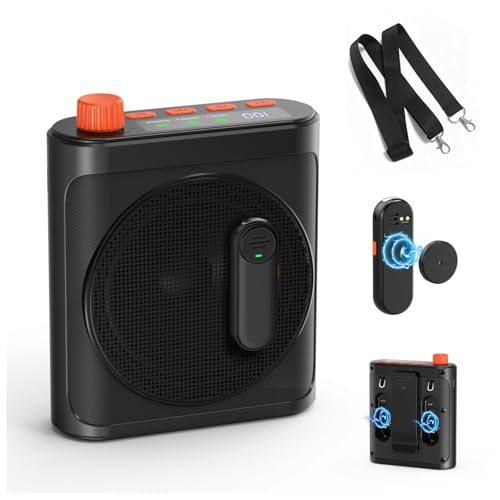
yAyusi Wireless Voice Amplifier for Teachers with 2 Magnetic Lavalier Mics, Hands Free Mini Portable Microphone and Speaker with Lanyard, Rechargeable Teacher Microphones for Classroom/Meetings/Speech
【Essential Voice Amplifier Wireless Microphone for Teachers】 Unlike other mini megaphone speaker on the market, our small megaphone...
As an affiliate, we earn on qualifying purchases.

OrCam MyEye Smart is an Advanced Artificial Intelligence Device That Helps People with Visual Impairment Read The Morning Paper, Books, Text Messages, Emails, and More.
OrCam MyEye Smart Advanced Wearable Assistive Reading Device for Those who are Visually Impaired Have Dyslexia or Reading...
As an affiliate, we earn on qualifying purchases.