
On-device AI chips in hearing wearables let you experience clearer sound by automatically filtering out background noise without relying on internet or cloud processing. They personalize sound settings to match your environment while keeping your data private and secure. These chips also conserve battery life by handling complex tasks locally, ensuring longer use between charges. With faster reactions to changing sounds, you’ll enjoy more natural hearing. Keep exploring to discover how this technology can transform your hearing experience even further.
Key Takeaways
- On-device AI chips enable real-time noise filtering and cancellation without relying on external servers.
- They enhance user privacy by processing audio data locally on the device.
- These chips optimize battery life by managing processing loads efficiently.
- They allow instant adaptation to changing environments for seamless listening experiences.
- On-device AI hardware makes hearing wearables smarter, more responsive, and less intrusive.
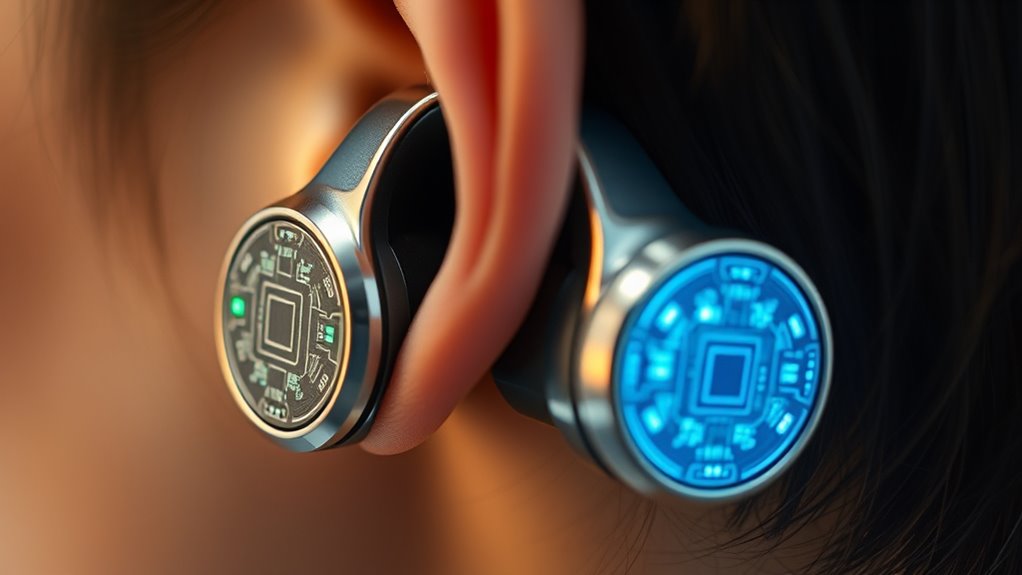
As hearing wearables become more advanced, on-device AI chips are transforming how these devices process sound. You’ll notice that modern hearing aids and earbuds don’t just amplify sound—they intelligently filter out unwanted noise, providing clearer audio tailored to your environment. This is possible because on-device AI handles complex tasks like noise cancellation directly within the device, reducing reliance on external processing or cloud connectivity. By doing so, these chips can quickly identify and suppress background noise, letting you focus on conversations or sounds that matter most. This on-device processing not only enhances sound clarity but also guarantees your privacy since your audio data stays on the device, avoiding unnecessary data transmission. Additionally, the integration of local processing capabilities allows for more robust customization and personalization of sound profiles, catering to individual hearing preferences.
Battery life is a critical factor in wearable tech, and on-device AI chips are playing a key role in battery optimization. Unlike traditional models that constantly stream data for processing, these chips execute advanced algorithms locally, which conserves energy. As a result, your hearing device can operate longer without frequent charging, making it more reliable throughout the day. The efficient use of power means you don’t have to compromise on features like noise cancellation or sound quality just to preserve battery life. Instead, the AI chip intelligently manages processing loads, activating noise suppression only when needed and scaling back when your environment is quiet. This dynamic approach maximizes battery longevity without sacrificing performance, giving you consistent, high-quality sound experiences.
Furthermore, on-device AI chips enable faster response times. When you enter a noisy room or switch environments, the device can instantly adapt by adjusting noise cancellation settings, providing seamless audio transitions. This immediate responsiveness improves your listening comfort and situational awareness, making the hearing wearables feel more natural and less intrusive. Because all processing happens locally, your device doesn’t rely on a constant internet connection, which means you get reliable performance even in areas with poor connectivity.
In essence, these chips are making hearing wearables smarter, more efficient, and user-centric. They empower your device to deliver superior noise cancellation while optimizing battery use, so you can enjoy extended wear without frequent recharging. This technological leap guarantees your hearing experience is not only clearer and more natural but also more convenient. As on-device AI continues to evolve, expect these wearables to become even more intuitive, adapting in real-time to your environment and preferences, all while maintaining excellent battery life and sound clarity.

ELEHEAR-Beyond OTC Hearing Aids, AI Powered Speech Enhancement and Tinnitus Masking, Superior Sound Quality, Connectivity with iOS or Android Devices via Bluetooth 5.3, for Seniors and Adults
Super Clear Sound – Powered by VocClear AI Technology with maximum gain of up to 50 dB and…
As an affiliate, we earn on qualifying purchases.
As an affiliate, we earn on qualifying purchases.
Frequently Asked Questions
How Does On-Device AI Improve Hearing AId Battery Life?
On-device AI enhances your hearing aid’s battery life by optimizing power consumption through advanced battery optimization techniques. It processes sound locally, reducing the need for constant data transmission to external devices, which saves energy. This targeted processing ensures that your hearing aid uses less power, leading to longer battery life and fewer charges. With on-device AI, you get smarter performance without draining your battery quickly.
Are On-Device AI Chips Customizable for Individual Hearing Needs?
Think of on-device AI chips as a tailored suit for your hearing needs. Yes, they’re customizable for you through personalization options and firmware customization, allowing your hearing aid to adapt precisely to your environment. Just like a suit fits perfectly when tailored, these chips can be fine-tuned, ensuring your hearing experience is uniquely suited to your preferences and surroundings, providing comfort and clarity every time.
What Security Measures Protect User Data on Hearing Wearables?
Your hearing wearables use strong privacy protocols and data encryption to safeguard your information. These security measures ensure that your personal data remains confidential and safe from unauthorized access. The devices process data locally on‑device, reducing exposure to external threats. Regular updates and secure authentication methods keep your data secure. Overall, these safeguards help you enjoy personalized hearing experiences without compromising your privacy.
How Do On-Device AI Chips Impact Device Size and Comfort?
Did you know that on-device AI chips have led to a 30% reduction in hearing wearables’ size? This miniaturization benefits ergonomic design, making devices more comfortable and less obtrusive. You’ll notice improved fit and less bulk, which enhances user experience. These chips enable sophisticated processing without adding weight, so your hearing aids remain discreet and easy to wear all day long.
Can On-Device AI Adapt to Different Listening Environments Automatically?
Yes, on-device AI can adapt to different listening environments automatically. It uses environment adaptation algorithms that detect changes in noise levels and sound patterns in real time. This automatic tuning guarantees your hearing device adjusts instantly for ideal clarity and comfort, without you needing to manually change settings. You’ll experience seamless sound quality across quiet spaces, noisy streets, or crowded rooms, making your hearing experience more natural and effortless.

TOZO NC9 Hybrid Active Noise Cancelling Wireless Earbuds, 6 Mics ENC Clear Call, IPX8 Waterproof, in Ear Bluetooth 5.3 Headphones Stereo Bass Ear Buds 60H Playtime with LED Display 32 EQs via APP
[Hybrid Active Noise Cancelling] With a maximum noise reduction depth of 45dB, Immerse yourself in your music without…
As an affiliate, we earn on qualifying purchases.
As an affiliate, we earn on qualifying purchases.
Conclusion
You’ll be interested to know that on-device AI chips are making hearing wearables smarter and more efficient. With the ability to process data locally, these chips reduce latency and improve privacy. In fact, studies show that on-device processing can cut power consumption by up to 30%, extending battery life. This means you can enjoy clearer sound and smarter features longer, making your hearing experience more seamless and reliable than ever before.
ELEHEAR-Beyond OTC Hearing Aids, AI Powered Speech Enhancement and Tinnitus Masking, Superior Sound Quality, Connectivity with iOS or Android Devices via Bluetooth 5.3, for Seniors and Adults
Super Clear Sound – Powered by VocClear AI Technology with maximum gain of up to 50 dB and…
As an affiliate, we earn on qualifying purchases.
As an affiliate, we earn on qualifying purchases.
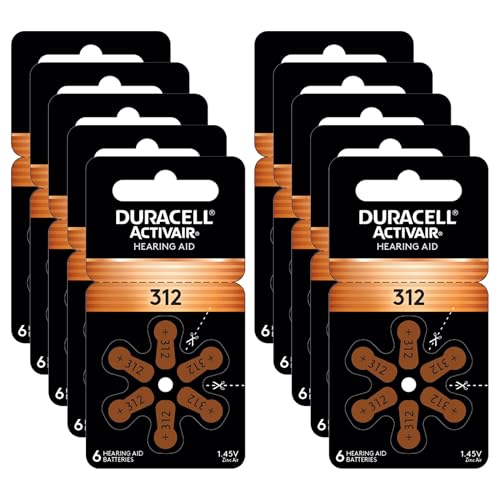
Duracell Hearing Aid Batteries Size 312, 60 Count (Pack of 1) batteries
Duracell Hearing Aid Batteries EASY TAB
As an affiliate, we earn on qualifying purchases.
As an affiliate, we earn on qualifying purchases.