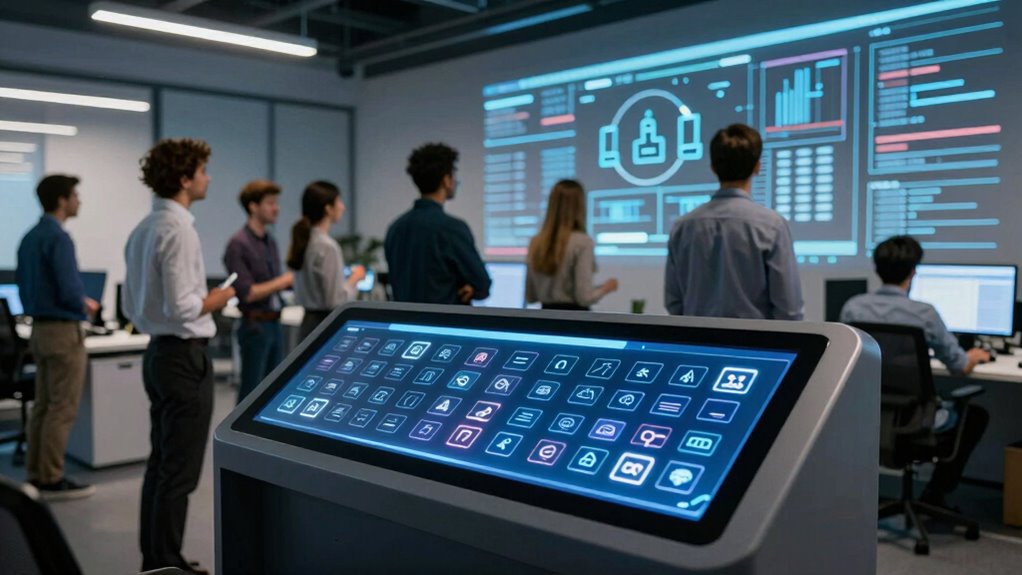

Over-automating communication can create significant accessibility barriers that exclude vulnerable users. Automated systems often fail to take into account individual needs, cultural contexts, or specific accessibility formats, which can leave some people confused or unmet. They may also overlook diverse communication styles, making it harder for users with disabilities or cognitive differences to engage effectively. By relying too much on automation, you risk creating interactions that feel cold or unhelpful—if you want to understand how to balance this, there’s more to discover.

Get everyday helpers delivered free with Prime
- Fast, free delivery on millions of items
- Prime Video, Amazon Music and more included
- Member-only deals all year
Key Takeaways
- Over-automation can overlook individual accessibility needs, leading to exclusion of users with disabilities or diverse communication styles.
- Automated systems may lack necessary accommodations, such as alternative formats for visually impaired users.
- Rigid algorithms can misinterpret complex or non-standard communication, creating misunderstandings for some users.
- Biases embedded in automation may reinforce stereotypes, exacerbating accessibility and inclusivity issues.
- Excessive reliance on automation reduces emotional warmth and personalization, impacting trust and effective support for vulnerable users.
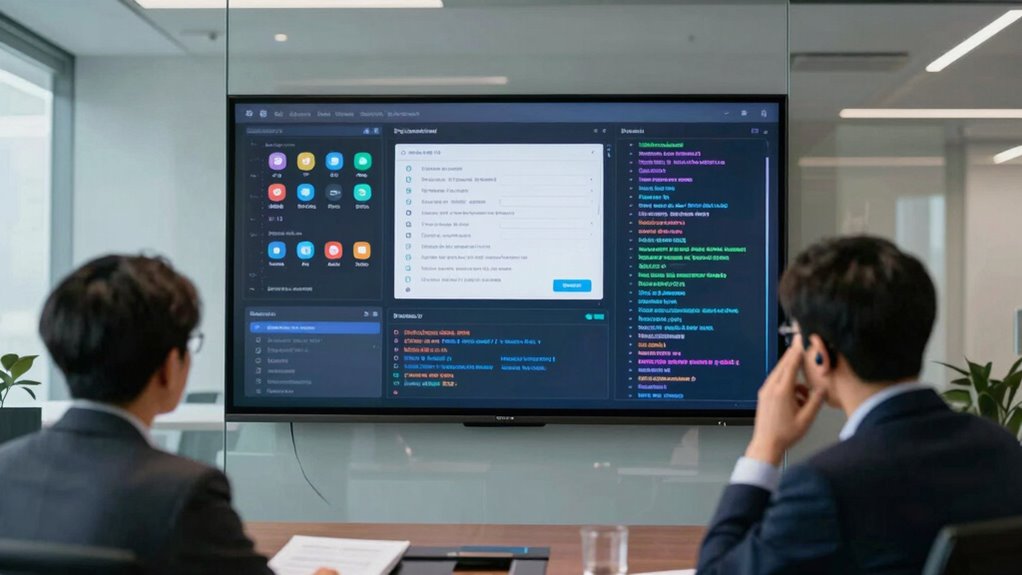
While automation can make communication more efficient, overdoing it can create significant accessibility risks. When you rely too heavily on automated tools, you might find that messages lose their personal touch, leading to what’s known as personalization challenges. Automation often standardizes responses, making it harder to tailor messages to individual needs, preferences, or cultural contexts. This lack of customization can alienate users who depend on nuanced communication that considers their unique circumstances. For example, someone with a visual impairment might need specific phrasing or formats to access information effectively, but automation that isn’t designed with accessibility in mind can overlook these needs entirely. Additionally, automated systems may not account for diverse communication styles, which is essential for inclusive interactions. Furthermore, automation tends to strip away emotional nuance. When messages are generated algorithmically, they often become flat or impersonal. You might think that quick, templated responses save time and ensure consistency, but they can also diminish the emotional connection between you and your audience. Feelings conveyed through tone, subtle gestures, or contextual understanding are often lost in automated communication, making interactions feel cold or disconnected. This emotional nuance is essential for fostering trust and understanding, especially when dealing with sensitive topics or vulnerable populations. Over-automation also risks creating a barrier for users who rely on more than just basic functionality. For example, users with cognitive disabilities or those who communicate in non-standard ways might find overly automated systems confusing or unhelpful. These systems may not recognize the complexity or diversity of human communication, making it difficult for some users to access or interpret information correctly. When automation replaces human oversight entirely, the system might fail to recognize when someone needs additional support or clarification, leaving certain users stranded or misunderstood. Moreover, automation can inadvertently reinforce biases or misunderstandings if not carefully managed. Algorithms are only as good as the data they’re trained on, and without proper oversight, they might perpetuate stereotypes or inaccuracies. This can further marginalize vulnerable groups and create accessibility barriers. Ensuring that accessibility considerations are integrated into automated systems is crucial to prevent such issues. It is also important to recognize that automated systems may not be able to adapt quickly to evolving social norms or diverse cultural contexts, which can hinder truly inclusive communication. As technology advances, the importance of inclusive design in automation becomes even more evident to accommodate all users effectively. Incorporating biodiversity and a broad range of perspectives into system design can help reduce biases and improve accessibility for diverse populations. Additionally, ongoing user feedback is vital for identifying gaps and refining automated solutions to better serve everyone. As you implement automated communication, you need to be aware of these risks and balance automation with human oversight—ensuring that personalization, emotional nuance, and accessibility aren’t sacrificed for efficiency. Over-automation might seem like a quick fix, but it can ultimately hinder inclusive, meaningful communication.
accessible screen reader software
As an affiliate, we earn on qualifying purchases.
As an affiliate, we earn on qualifying purchases.
Frequently Asked Questions
How Can Automation Improve Accessibility for Diverse Users?
Automation can greatly enhance accessibility for diverse users by supporting inclusive design and integrating assistive technologies. You can implement voice recognition, text-to-speech, and customizable interfaces that adapt to individual needs. These tools help users with disabilities navigate and interact more easily. By prioritizing inclusive design in automation, you guarantee that everyone, regardless of their abilities, benefits from seamless, accessible communication experiences.
What Are Common Signs of Over-Automation in Communication?
You might notice signs of over-automation in communication when users feel overwhelmed, like trying to listen to a radio with too many stations blaring simultaneously. Over automation pitfalls include messages losing their personal touch, causing confusion or frustration. If people start skipping messages or disengaging, it signals communication overload. Recognizing these signs helps you balance automation, ensuring messages remain clear, accessible, and engaging without drowning your audience in too much information.
How Do Automation Tools Impact User Privacy and Data Security?
You might worry that automation tools could compromise your privacy and data security. These tools often handle sensitive information, so it’s essential they use data encryption to protect your data from breaches. Also, check that the company’s privacy policies are transparent about how your data is collected, stored, and used. Staying informed and cautious helps you minimize risks, ensuring your communication remains secure and private.
Can Automation Replace Human Empathy in Communication?
Automation can’t fully replace human empathy because emotional intelligence and cultural sensitivity are essential in genuine communication. While automation tools may handle routine responses efficiently, they lack the nuanced understanding needed to respond to complex emotions or cultural nuances. You need human interaction to truly connect, show compassion, and adapt to individual feelings. Relying solely on automation risks creating impersonal exchanges, undermining trust and understanding in meaningful conversations.
What Strategies Balance Automation Efficiency With Accessibility Needs?
Balancing automation efficiency with accessibility needs is like walking a tightrope—you want stability without sacrificing flexibility. You should implement inclusive design principles that cater to diverse abilities, ensuring interfaces are usable by everyone. Additionally, offering user customization options allows individuals to tailor communication tools to their needs. By combining these strategies, you maintain efficiency while prioritizing accessibility, creating a more inclusive experience that benefits all users.
Conclusion
Remember, over-automating communication can turn your message into a ghost ship—missing the human touch that truly connects. While automation boosts efficiency, it’s like trying to paint a masterpiece with a broad brush; details and empathy can get lost along the way. Aim for balance, blending technology with genuine human connection. Only then will your messages resonate deeply, like a melody that touches the soul, rather than a cold, silent echo lost in the digital void.
Halloween Picks
halloween
As an affiliate, we earn on qualifying purchases.