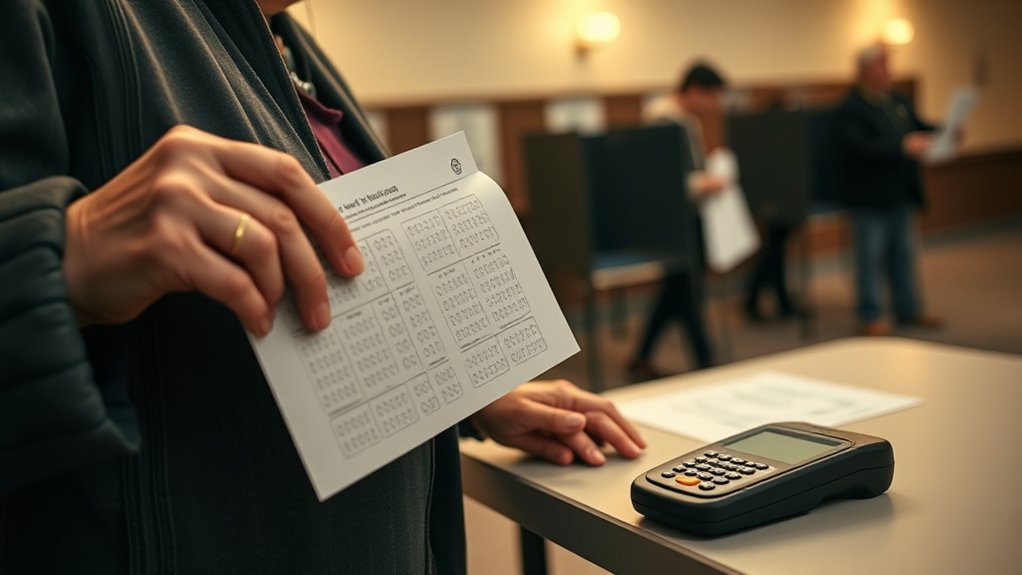

Accessible voting for deafblind citizens involves using specialized tools like tactile ballots, braille voting machines, and electronic systems with audio output that help you vote privately and independently. Laws ensure you have the right to accessible options and assistance from trained poll workers if needed. Preparing ahead of Election Day and knowing about available accommodations can boost your confidence. If you want to find out how to use these tools effectively and protect your rights, keep exploring further.
Key Takeaways
- Tactile ballots and braille voting machines enable DeafBlind voters to access and mark ballots independently.
- Electronic voting systems with audio output help DeafBlind voters receive spoken instructions and confirm their choices.
- Polling places may offer assistive services from trained staff to support DeafBlind voters while maintaining privacy.
- Voters can request accommodations such as tactile devices, assistive listening systems, or assistance during voting.
- Legal protections ensure DeafBlind citizens have equal access to voting tools and support under federal laws like the Voting Rights Act.
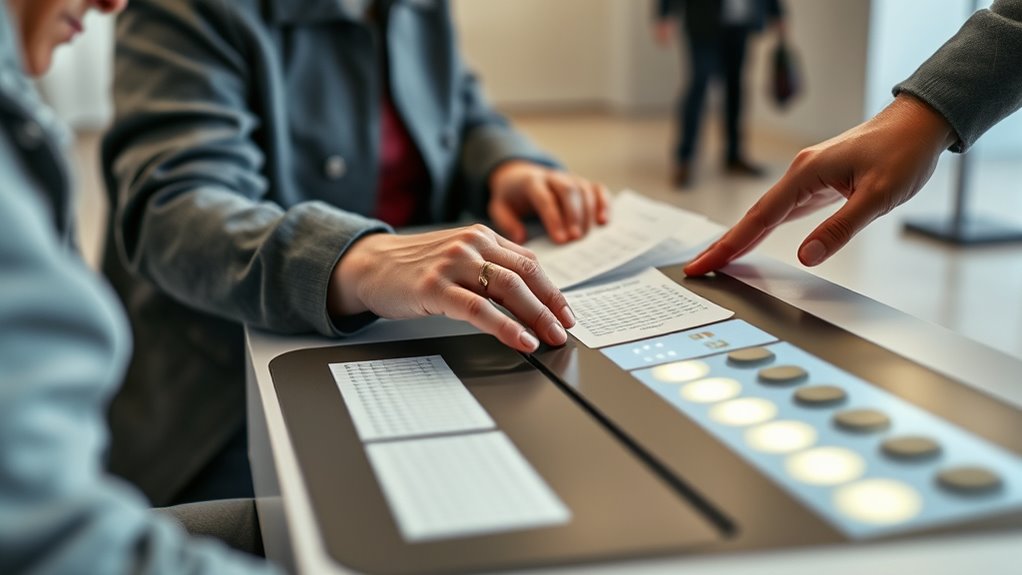
Ensuring everyone can participate in the democratic process is essential, especially for DeafBlind citizens who face unique challenges in voting. You might wonder how to manage the voting process when traditional methods don’t meet your needs. Fortunately, assistive technology and legal rights work together to make voting more accessible. Assistive technology includes devices and tools designed to help you access election information and cast your vote independently. From tactile ballots and braille voting machines to electronic systems with audio output, these innovations help bridge the gap between you and your civic duties. Knowing about and utilizing these tools can empower you to vote confidently and privately, guaranteeing your voice is heard.
Your legal rights are fundamental in this process. Laws like the Voting Rights Act and the Help America Vote Act mandate accessible voting options for people with disabilities, including DeafBlind citizens. These laws require election authorities to provide accommodations that enable you to vote privately and independently. This might mean having access to assistive technologies, receiving assistance from trained poll workers, or using accessible voting booths. It’s vital to understand that your rights are protected, and election officials are obligated to provide reasonable accommodations. If you encounter barriers, you have the right to request specific accommodations, and officials are required by law to comply.
Your rights include accessible voting options and accommodations under federal laws like VRA and HAVA.
Preparing ahead of time is key. Before Election Day, you should verify what accessible options are available at your polling place. Many jurisdictions offer specialized equipment or allow you to bring assistive devices of your own. You can also request assistance from poll workers trained to support voters with disabilities. It’s a good idea to familiarize yourself with the process and communicate your needs clearly. Some states offer mail-in ballots with accessible formats or remote voting options, which can be especially helpful if you find managing physical polling stations challenging.
On Election Day, don’t hesitate to ask for help if you need it. Poll workers are there to assist, but they are also bound by strict rules to respect your independence and privacy. Make sure you understand how to operate the assistive technology provided and verify that your vote is correctly recorded. If you face any issues, you have the right to escalate the matter or seek assistance from election officials. Remember, your participation in voting is a right protected by law, and accessible voting tools are designed to guarantee your voice is not silenced due to your disabilities. By being proactive and informed, you can confidently exercise your voting rights and contribute meaningfully to your community’s democratic process.
Being aware of accessible voting technology and how it functions can further empower you to navigate the voting process with confidence.
Frequently Asked Questions
How Can Deafblind Voters Verify Their Ballots?
You can verify your ballots through tactile verification or braille confirmation. When voting, use the tactile features or braille labels to feel and confirm your selections, ensuring accuracy. Some voting systems provide tactile or braille ballots designed for this purpose. If you’re unsure, ask election officials for assistance in verifying your choices securely. These methods help you confidently confirm your votes without relying solely on sight.
Are There Specific Training Programs for Deafblind Poll Workers?
Yes, there are specific poll worker training programs focused on Deafblind communication. These programs teach poll workers how to effectively assist Deafblind voters, ensuring clear communication and respectful support. By participating in specialized training, poll workers learn techniques like tactile signing and the use of assistive technology, which helps create an accessible and inclusive voting environment for Deafblind citizens. This training enhances their ability to serve all voters confidently and competently.
What Are the Costs Associated With Accessible Voting Technologies?
Imagine implementing a tactile voting device; your cost analysis reveals technology expenses ranging from $2,000 to $10,000 per unit. These costs include hardware, software, and maintenance. While initial investments are high, they guarantee accessibility for DeafBlind voters. You’ll need to take into account ongoing expenses for updates and training, but the benefits of inclusive voting outweigh these costs, making your elections more equitable and compliant with accessibility standards.
How Do Voting Accommodations Vary Across Different States?
You’ll find that voting accommodations differ across states due to state-specific policies, which can lead to notable accommodation disparities. Some states provide thorough services like tactile ballots and certified interpreters, while others offer limited options. These variations mean your access to accessible voting technologies depends heavily on where you live, so it’s essential to review your state’s policies to guarantee you receive the necessary support during elections.
Can Deafblind Voters Request Remote or Mail-In Voting Options?
Yes, deafblind voters can request remote or mail-in voting options. For example, a deafblind voter might use assistive technology like Braille ballots or screen readers and rely on legal accommodations to guarantee accessibility. These options help overcome barriers, allowing participation from home. Contact your local election office to understand specific procedures and ensure your rights are protected, making voting accessible and inclusive for everyone.
Conclusion
You’d think voting would be simple for everyone, yet deafblind citizens still face hurdles. It’s ironic how the very act of exercising your rights can be so inaccessible, despite technology and laws. You’d imagine democracy would be inclusive, but the gap remains. So, next time you cast your ballot, remember some can’t even touch the ballot without help. Accessibility isn’t a privilege; it’s a basic right. Isn’t it time we make that true for everyone?