The ADA requires that accommodations be provided to make certain you, as a DeafBlind individual, can access communication, information, and participate fully in daily activities. This includes assistive technologies like tactile sign language, Braille displays, and specialized devices that support interaction and independence. These tailored solutions help remove barriers and promote equal opportunities. If you’re interested, there’s more to learn about how these accommodations work together to support your needs effectively.

Get everyday helpers delivered free — and shop member deals
- Fast, free delivery on millions of items
- Access to Prime Big Deal Days deals on October 6–7
- Prime Video, Amazon Music and more included
Key Takeaways
- The ADA mandates tailored communication accommodations like tactile signing and braille technology for DeafBlind individuals.
- Assistive devices such as tactile devices and braille displays facilitate access to information and communication.
- Employers and public entities are required to implement inclusive solutions supporting DeafBlind independence.
- Customized solutions in daily environments promote equal participation in education, work, and community activities.
- Ongoing advancements in assistive technology enhance accessibility and effective interaction for DeafBlind people.

Have you ever wondered how the Americans with Disabilities Act (ADA) guarantees that DeafBlind individuals can access the same opportunities as everyone else? It all comes down to the way the law promotes equal access through specific accommodations, especially in communication and technology. Assistive technology plays a vital role in bridging the gap, allowing DeafBlind people to interact, learn, and work effectively. These tools are designed to meet unique needs, guaranteeing independence and participation in all aspects of life.
The ADA ensures DeafBlind access through tailored accommodations, assistive tech, and inclusive communication methods.
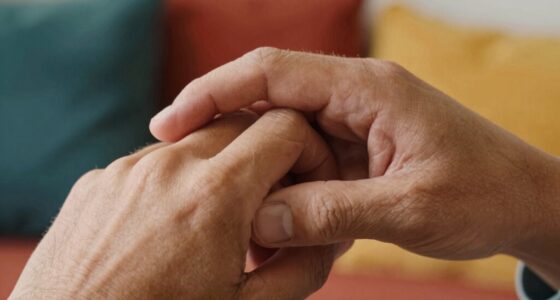
Communication methods are at the heart of ADA accommodations. For DeafBlind individuals, traditional modes of communication like spoken language or standard sign language aren’t enough. Instead, tailored solutions are integrated into daily environments. Tactile signing, for example, allows someone to sign into a person’s hands, making communication possible even without sight or hearing. Braille displays and tactile devices enable access to written information, whether it’s a computer screen or printed documents. These innovations help eliminate barriers, giving DeafBlind people the ability to read, write, and engage with others seamlessly. Additionally, assistive technology continues to evolve, offering even more ways to support independence and accessibility.
As an affiliate, we earn on qualifying purchases.
Frequently Asked Questions
How Do Deafblind Individuals Access Emergency Alerts and Warnings?
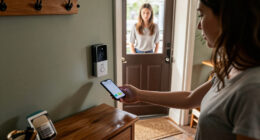
You can access emergency alerts and warnings through specialized alert systems designed for DeafBlind individuals. These systems use tactile alerts, like vibrating devices, or visual signals, such as flashing lights, integrated into emergency protocols. By using these alert systems, you get timely and accessible notifications during emergencies, ensuring you stay safe. Emergency protocols often include multiple communication methods, so you’re informed promptly regardless of your specific needs.
What Training Do Service Providers Need to Assist Deafblind Clients?
Think of service providers as bridges connecting deafblind clients to the world. You need specialized training in communication skills, including tactile signing and use of assistive technology, to build that bridge effectively. You should understand sensory impairments and modify your approaches accordingly. Ongoing education guarantees you stay current with best practices in assisting deafblind individuals, enabling you to deliver respectful, personalized support that fosters independence and confidence.
Are There Specific Technologies Tailored for Deafblind Communication?
Yes, there are specific technologies tailored for deafblind communication. You can use assistive devices like Braille notetakers, vibrating alert systems, and specialized smartphones with tactile communication features. These tools enable you to access information and communicate effectively. Tactile communication methods, such as tactile signing and raised-line drawings, also play a vital role. By combining these technologies and methods, you gain greater independence and seamless interaction in daily life.
How Is Privacy Maintained During Accommodations for Deafblind Individuals?
You’re right to be cautious—privacy concerns are essential during accommodations for deafblind individuals. You guarantee confidentiality measures are in place, like secure communication devices and trained personnel who respect sensitive information. By implementing strict protocols, you keep personal data private, preventing breaches. It’s a balancing act, but you can maintain trust and uphold privacy standards while providing effective support, proving that even in challenging situations, you’ve got it covered.
What Are the Costs Associated With Implementing Deafblind Accommodations?
The costs for implementing accommodations for deafblind individuals vary based on the required services and technology. Conduct a thorough cost analysis to identify expenses for specialized devices, training, and support staff. Funding sources can include government grants, nonprofit organizations, and employer-sponsored programs. By exploring these options, you can effectively manage expenses while ensuring accessible, equitable accommodations for deafblind individuals, ultimately fostering an inclusive environment.
Conclusion
Just like a bridge connects two distant shores, ADA accommodations for deafblind people create essential links to independence and inclusion. By understanding and supporting these accommodations, you help break down barriers, making society more accessible and welcoming. Remember, small actions can make a big difference—your awareness and efforts can be the key to opening doors for those who need it most. Together, we can build a world where everyone has the chance to thrive and connect.
Fall Picks
fall essentials
As an affiliate, we earn on qualifying purchases.