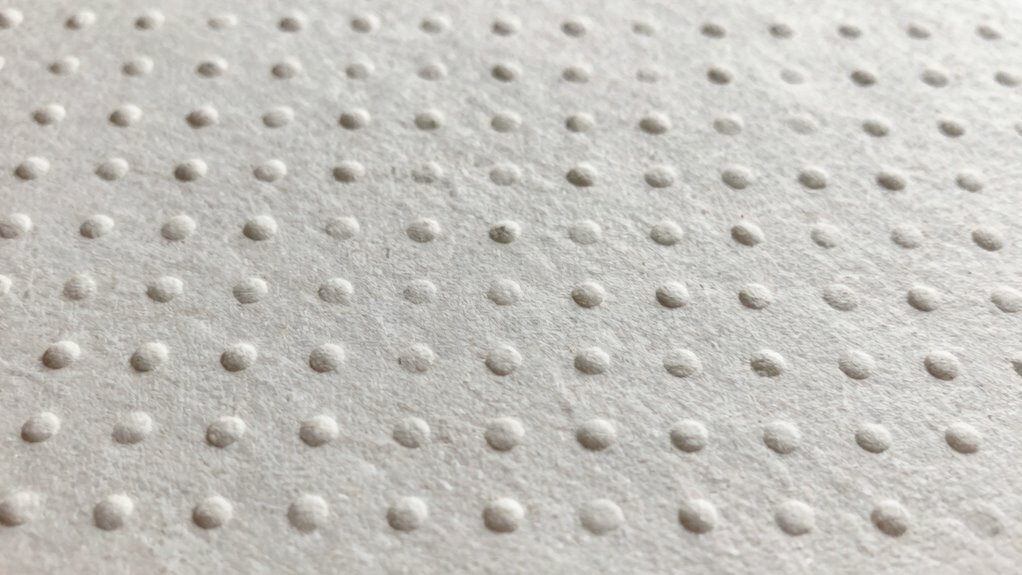

Paper Braille still matters because it offers a dependable, tactile medium that electronic devices can’t fully replace. It provides durability, reliable feedback, and independence, supporting daily tasks, art, and literacy for visually impaired users. Paper Braille works well in environments without power or internet, ensuring continuous access. Its permanence reinforces learning and confidence. If you want to understand why so many still rely on paper Braille, the reasons behind its lasting importance become clear.
Key Takeaways
- Paper braille provides durable, tactile feedback essential for consistent reading and artistic expression.
- Embossers enable offline, reliable access to tactile information without digital dependence.
- Physical braille supports literacy, reinforcing comprehension through permanent, clear embossed texts.
- Durably crafted paper braille withstands daily use, ensuring long-term functionality and reducing maintenance.
- Tactile art and detailed patterns are best expressed through paper braille, enriching creativity and accessibility.

Reizen RL-350 Braille Labeler
Reizen Braille Labeler is easy to use
As an affiliate, we earn on qualifying purchases.
As an affiliate, we earn on qualifying purchases.
Why Paper Braille Still Matters Today

Have you ever wondered why paper Braille remains essential even with all the digital tools available? The answer lies in tactile feedback and material durability. Paper Braille provides a reliable, tangible surface that visually impaired individuals can feel clearly, offering immediate, consistent feedback with every touch. Unlike digital devices, which require power and can malfunction, paper Braille withstands daily use, making it a durable and dependable resource. Its physical presence allows users to navigate texts independently without needing electronic devices or batteries. Additionally, paper Braille can be easily accessed in various environments, from classrooms to public spaces. The material resilience of paper Braille ensures its continued relevance in accessibility, providing a dependable means of reading and communication regardless of technological changes. Furthermore, the tactile nature of paper Braille supports better comprehension and learning for many users. Its independent usability remains vital for those who need reliable, immediate access to information without reliance on technology.

Frienda 2 Pack 4 Lines 28 Cells Braille Slate and Stylus Kit Writing Label Maker Plastic Slate Braille Fingerboard,Green
Product includes: 2 quantity sets for your choice, 1 sets of braille slates kit and 2 sets of…
As an affiliate, we earn on qualifying purchases.
As an affiliate, we earn on qualifying purchases.
How Braille Embossers Support Learning and Communication
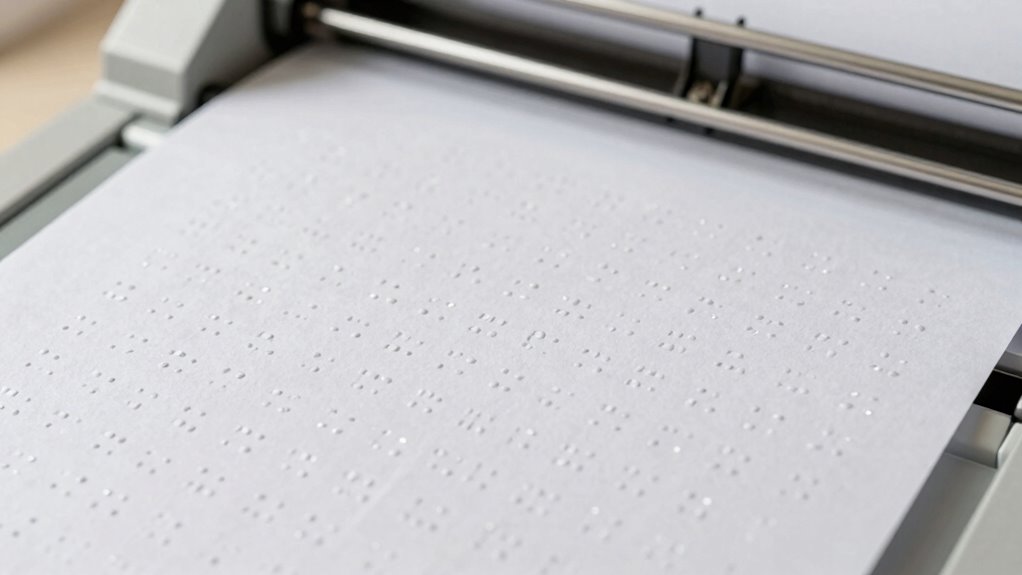
Braille embossers play a vital role in supporting your learning and communication. They help improve literacy skills by providing accessible reading materials and enable real-time interaction through instant Braille output. With these tools, you can stay connected and learn more effectively every day. Understanding the parts of the Braille cell can enhance your ability to interpret and produce accurate Braille symbols. Additionally, familiarity with digital Braille technology can expand the ways you access information and communicate effectively. Exploring accessible technology innovations can further empower users in navigating digital environments and accessing educational resources, especially when combined with auditory processing techniques that support comprehension and learning. Incorporating haptic feedback systems can also improve the tactile experience and reinforce learning through touch.
Enhancing Literacy Skills
Ever wondered how tactile technology boosts literacy for visually impaired individuals? Braille embossers play a vital role by providing precise tactile feedback, which helps improve braille literacy. When you use a braille embosser, you create clear, durable texts that reinforce reading skills and comprehension. This tactile feedback makes it easier to learn new words and understand sentence structures. To illustrate, consider this comparison:
| Aspect | Impact on Literacy |
|---|---|
| Tactile Feedback | Enhances understanding |
| Braille Literacy | Builds reading confidence |
| Embossed Text | Reinforces learning |
Additionally, advancements in digital braille technology are expanding accessibility and user experience, making learning tools more user-friendly for learners of all ages.
Facilitating Real-Time Communication
Braille embossers facilitate real-time communication by allowing visually impaired individuals to quickly produce tactile messages and responses, bridging gaps in immediate understanding. This enhances tactile feedback, making conversations more interactive and effective. With embossers, you can:
- Send quick tactile messages during phone calls or meetings, maintaining seamless communication.
- Respond instantly to tactile cues, improving your ability to participate fully in discussions.
- Achieve greater mobility independence, as producing tactile information on demand reduces reliance on others.
- The ability to detect changes in tactile feedback, such as ear wax odor, can also help users identify health issues early on. Additionally, integrating natural pool concepts can promote a more sustainable and eco-friendly environment for outdoor workspaces. Understanding the importance of privacy policies ensures that users are aware of data security while using assistive devices. Recognizing the significance of assistive technology standards can further ensure compatibility and reliability of braille embossers across different systems. Being aware of maintaining device durability can help users extend the lifespan of their embossers through proper care.
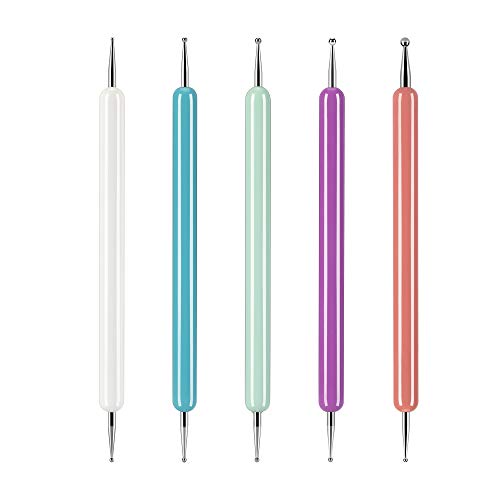
5 Pcs Pattern Tracing Stylus, Ball Embossing Stylus for Transfer Paper, Tracing Tools for Drawing, Embossing Tools for Paper, Art Dotting Tools for Nail Art, Ball Tip Clay Tools Sculpting Stylus
✒️ The embossing stylus set have total 10 ball ends, 5 different diameters (1.0/1.5/2.0/2.5/3.0 mm). Rounded tip protects…
As an affiliate, we earn on qualifying purchases.
As an affiliate, we earn on qualifying purchases.
Paper Braille vs. Electronic Devices: Which Is Better?

When choosing between paper Braille and electronic devices, it’s important to contemplate how each option meets your needs for accessibility, convenience, and durability. Paper Braille offers reliable tactile feedback, giving you a natural, tangible way to read that doesn’t depend on power or technology. It’s also more sustainable regarding material use, especially when made from eco-friendly sources, making it a durable choice for long-term reading. Furthermore, material sustainability plays a role in environmental impact considerations when selecting Braille methods. Electronic devices, on the other hand, provide dynamic features like adjustable refresh rates and instant updates, but may lack the same tactile richness and can be less sustainable due to battery reliance and electronic waste. Additionally, Luggage & Bags considerations such as portability and protection can influence your choice, especially when traveling. Advances in braille technology continue to improve electronic devices, narrowing the gap with traditional Braille in terms of tactile feedback and ease of use. The ongoing development of assistive technologies aims to enhance user experience and expand accessibility options for all users.

ChoiHeiy 100 Sheets Braille Paper – No Holes, Writing Paper Blank for Blind People Practice Learning, Braille School Supplies, Designed for Braille Writing Boards, 11.7 x 8.5 Inch, Light Brown
Crafted with a thick design, this paper is easy to use and suitable for blind individuals when paired…
As an affiliate, we earn on qualifying purchases.
As an affiliate, we earn on qualifying purchases.
What Features Matter in a Good Braille Embosser
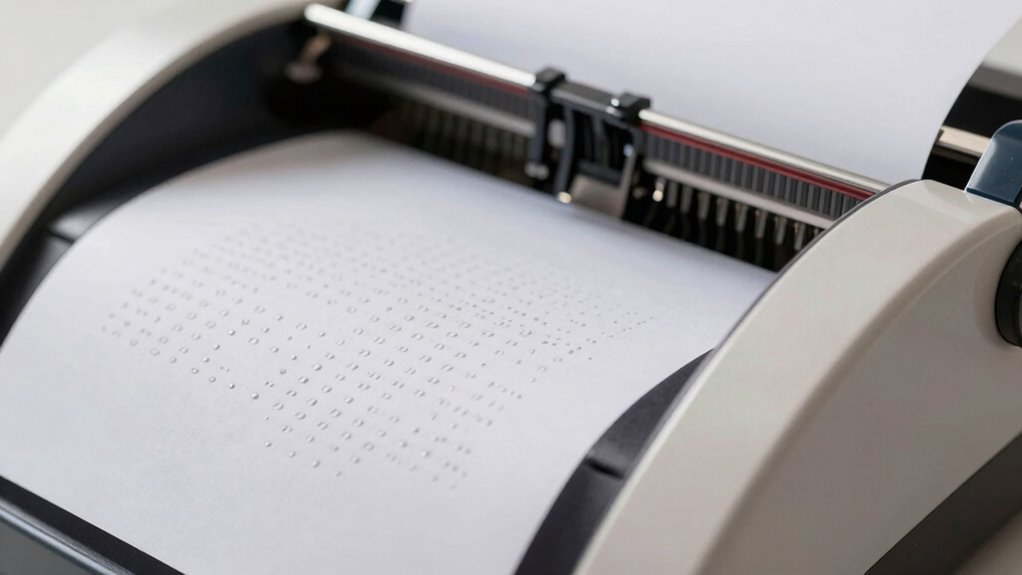
When choosing a good braille embosser, you need to take into account its durability and reliability to guarantee it works smoothly over time. A user-friendly interface makes operation easier and reduces the chances of errors. Focusing on these features helps you select a device that’s efficient and easy to use. Additionally, understanding crypto pump detection tools can be useful for staying informed about market manipulation trends, which may impact investments related to assistive technology companies. Moreover, being aware of the various cookie categories ensures that your browsing experience remains secure and tailored to your preferences. Considering the popularity of gelato in various regions, some embossers are designed to produce tactile images that mimic the texture of different desserts for educational purposes. Furthermore, selecting a braille embosser with a reliable media handling system can help maintain consistent output quality and reduce maintenance needs. Regular maintenance and proper gear inspection are essential to ensure the embosser continues functioning optimally over its lifespan.
Durability and Reliability
A durable and reliable braille embosser must withstand daily use without frequent breakdowns, guaranteeing consistent performance over time. This minimizes maintenance issues and keeps your workflow smooth. When choosing a device, consider these key features: 1. Build quality – Sturdy construction reduces wear and tear, increasing longevity. 2. Low maintenance requirements – Select models with fewer moving parts to reduce repair costs. 3. Consistent output – Reliable embossing ensures the quality of each page, avoiding rework. Additionally, understanding feature Buddies can help you recognize the importance of choosing equipment with a solid reputation for durability and dependability.
User-Friendly Interface
What features make a braille embosser truly user-friendly? First, a clear, intuitive user interface is essential. It should allow you to easily navigate settings, start printing, and troubleshoot issues without frustration. Look for controls that are straightforward and accessible, reducing the learning curve. Tactile feedback also matters—buttons should provide physical confirmation when pressed, ensuring you know your commands are registered. A well-designed interface minimizes errors and boosts confidence, especially if you’re new to embossers. Additionally, features like customizable shortcuts or automated functions can streamline your workflow. Overall, a good braille embosser combines a simple, responsive user interface with tactile feedback to make your experience smooth, efficient, and accessible.
Real Stories: Why Users Still Depend on Paper Braille
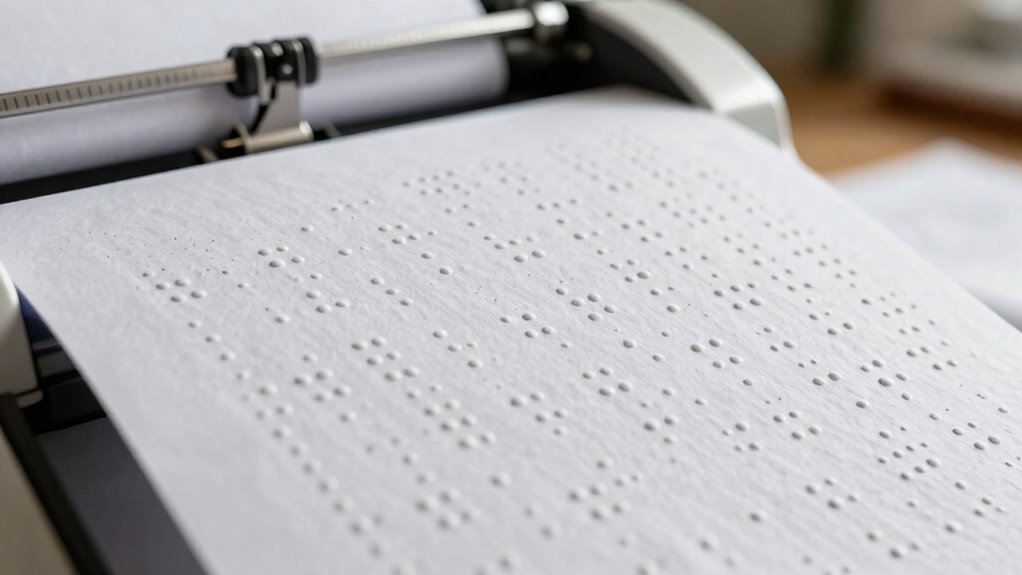
Despite advances in digital technology, many braille users still rely on paper braille because it offers tactile clarity and reliability that electronic devices can’t always match. For example, you might find that paper braille enhances your ability to enjoy tactile art, making intricate patterns more perceptible through touch. Additionally, maintaining braille literacy benefits from the permanence and familiarity of paper, allowing you to practice and reinforce skills consistently. Many users also share stories of how paper braille supports daily tasks, such as reading labels or notes, without the need for power or screens. These experiences show that, for many, paper braille remains essential in preserving tactile richness and fostering ongoing connection with the written word.
Will Paper Braille Stay Relevant in a Tech-Driven Future

As technology advances rapidly, many wonder whether paper braille will still hold its relevance in the future. While digital integration offers new ways to access information, it doesn’t replace the tactile experience that paper braille provides. Braille embossers remain crucial because they support accessibility automation, ensuring that reading materials are available offline and in environments where digital devices may not work reliably. You’ll find that paper braille continues to serve users who prefer a physical, durable medium or need reliable access without dependence on power or connectivity. Despite the push toward digital, the tactile nature of paper braille ensures it stays relevant, complementing technological solutions rather than replacing them. It remains an essential part of inclusive communication.
Frequently Asked Questions
How Long Do Braille Embossed Papers Typically Last Before Wearing Out?
Embossed paper typically lasts around 10 to 20 years before showing significant wear, depending on usage and storage. Your embossed papers’ longevity depends on wear resistance and how often they’re handled. To extend their life, keep them in a dry, cool environment and avoid excessive handling. Proper care ensures your embossed documents stay clear and readable, preserving their utility for many years.
Can Braille Embossers Print Multiple Languages Simultaneously?
Did you know that some advanced braille embossers can handle multilingual printing simultaneously? Yes, they can, thanks to specialized software and embossing speed. You can print multiple languages in one session, making it efficient for diverse users. This feature guarantees accessibility for a broader audience. So, if you need to produce documents in different languages quickly, modern embossers are up to the task, saving time and expanding reach.
What Are the Maintenance Requirements for a High-Quality Braille Embosser?
To keep your high-quality braille embosser running smoothly, you need to regularly perform embosser calibration to guarantee accurate embossing. You should also replace ink cartridges as needed to maintain clear, crisp braille. Additionally, clean the embossing plates and check for wear and tear. Proper maintenance prevents jams, prolongs the device’s lifespan, and guarantees consistent, reliable braille output for your users.
Are There Portable Braille Embossers Suitable for Travel?
Yes, there are portable braille embossers that suit travel convenience. They feature a compact, portable design, making it easy for you to carry them on trips. These embossers are lightweight and durable, so you can set up and use them anywhere you go. Perfect for students, professionals, or anyone needing on-the-go access to braille, they guarantee you stay connected and productive, no matter where your journey takes you.
How Does Paper Thickness Affect Braille Clarity and Durability?
Thicker paper tends to enhance braille clarity and durability by providing better material support. Opt for material selection that balances strength and flexibility, guaranteeing consistent embossing depth without tearing. Heavier paper prevents the dots from flattening or smudging, making braille more legible and long-lasting. By choosing the right thickness, you ensure your braille remains bold, beautiful, and durable through frequent use and handling.
Conclusion
Even in a world filled with technology, paper Braille remains essential. It offers a tactile, reliable way to read and communicate, especially in situations where electronic devices fall short. As you consider the future, ask yourself: will the rich, sensory experience of paper Braille ever truly be replaced? Its enduring relevance proves that sometimes, traditional methods continue to serve us best—because touch and trust still matter most.