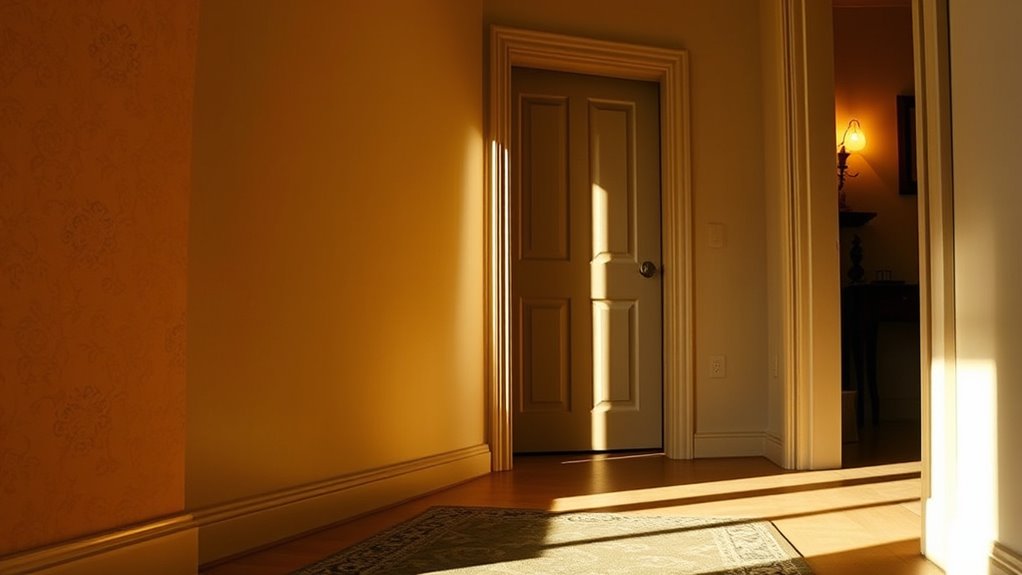

To keep your home safe and accessible, focus on good lighting that minimizes shadows and glare, especially around pathways, doorways, and stairs. Bright, tactile door handles and contrasting colors help you identify controls easily, while stairway lights and step strips improve visibility. Use motion-activated lights and tactile switches for convenience. Small adjustments can make a big difference, and exploring additional tips can help you create a safer, more confident living space tailored to your needs.
Key Takeaways
- Install bright, energy-efficient lighting to ensure clear visibility of pathways, doorways, and stairs.
- Use contrasting colors and tactile labels on door handles to improve detectability by touch and sight.
- Place lights on or near stairs with contrasting strips for better depth perception and reduced tripping risk.
- Incorporate motion-activated or automatic lighting to enhance safety when approaching key areas.
- Regularly maintain lighting fixtures and contrast markings to sustain optimal visibility and independent navigation.
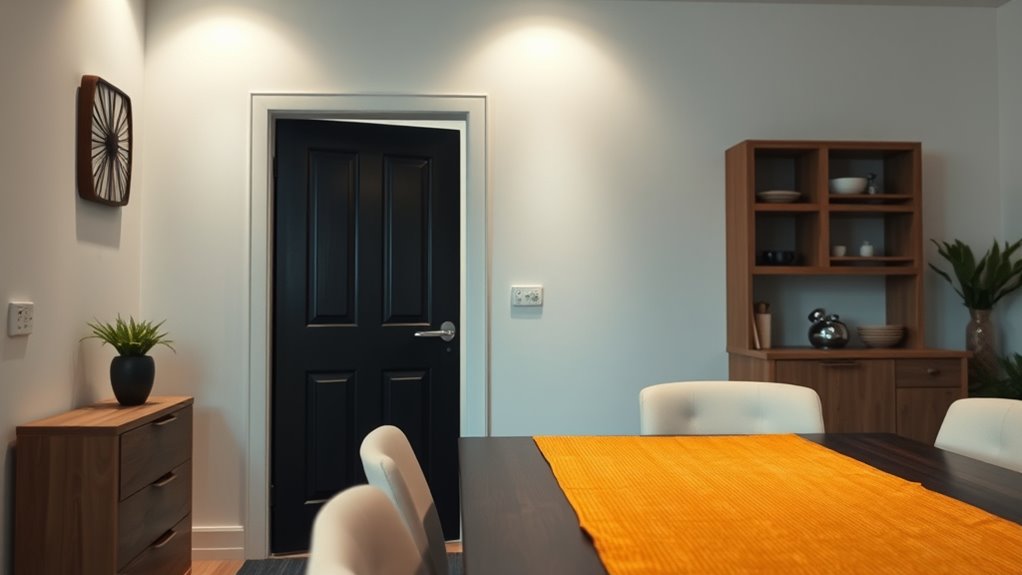
Creating a safe and accessible home environment is essential for DeafBlind individuals, especially when it comes to lighting and contrast. Proper lighting ensures you can navigate your space confidently, while strategic contrast helps you identify objects and hazards quickly. One of the most critical areas to focus on is door handle visibility. When lighting is insufficient or contrast is poor, finding door handles can become frustrating and dangerous. To improve visibility, consider installing bright, tactile handles that stand out against the door surface. You might also add contrasting colors or textures around the handle area, making them easier to locate by touch or sight. Good lighting around doorways ensures you can see the handle clearly, reducing the risk of fumbling or accidental injury.
Another key aspect is stairway illumination. Stairs are common accident spots, especially in homes where lighting might be dim or inconsistent. You want to make sure each step is clearly visible to prevent trips or falls. Installing lights directly on or beside stair risers can dramatically improve safety, providing consistent illumination regardless of the time of day. Motion-activated lights are especially effective since they turn on automatically when you approach, removing the need to search for switches in the dark. Additionally, contrasting strips on the edge of each step can help you differentiate one step from another, especially if visual contrast is limited. This dual approach — good lighting combined with contrasting markings — ensures you can judge distances accurately and move confidently up and down stairs.
Incorporating these lighting strategies isn’t just about convenience; it’s about safety. Make sure all pathways, doorways, and staircases are well lit, with light sources positioned to minimize shadows and glare. Use energy-efficient bulbs that provide steady, bright illumination without flickering, which can be disorienting. When designing your home, think about the placement of switches and lighting controls, keeping them accessible and easy to operate, perhaps with tactile or large-button switches. Regularly check that lighting fixtures and contrast markings remain in good condition, replacing or upgrading them as needed. Remember, the goal is to create an environment where you can navigate comfortably and independently, reducing hazards and increasing your confidence within your home. Proper lighting and contrast are simple yet powerful tools to enhance your safety and independence every day. Additionally, incorporating lighting and contrast strategies into your home can also help you better appreciate your surroundings and surroundings’ details, making daily activities more enjoyable and less stressful.

Guankai 8 Pack Motion Sensor Stair Light for Indoor, Battery Operated Closet Lights, Wireless Stick on Anywhere Hallway Lamp, Portable Led Night Lamps for Bedroom Under Cabinet Kitchen
【Motion Sensor Stair Light】: When the motion sensor stair light detects sufficient darkness, the motion sensor will activate…
As an affiliate, we earn on qualifying purchases.
As an affiliate, we earn on qualifying purchases.
Frequently Asked Questions
How Can I Adjust Lighting for Different Times of Day?
You can adjust lighting for different times of day by utilizing natural light, opening or closing curtains to control brightness. Incorporate dimming options on your lamps or ceiling fixtures to fine-tune the light level as daylight changes. During daytime, maximize natural light for visibility, and in the evening, use dimmers to create a comfortable, safe environment. These adjustments help you maintain ideal lighting for your needs throughout the day.
What Are the Best Contrast Colors for Safety?
Think of contrast as your home’s silent guardian. Bright, high-contrast colors like bold contrast paint or color coding help you easily distinguish objects and hazards. Use dark shades against light backgrounds or vice versa to create clear boundaries. These contrasting colors act like visual signals, guiding your way safely. Incorporate contrast paint or color coding around doorways, stairs, and appliances to guarantee your environment communicates safety without words.
How Do I Prevent Glare in My Home?
To prevent glare in your home, focus on glare reduction by using adjustable lighting fixtures and dimmers. Opt for softer, indirect lighting instead of harsh, direct light sources. Customize your lighting setup to minimize reflections and shadows, making it easier to see. Keep light fixtures away from your line of sight and use matte finishes on surfaces to reduce glare. Regularly adjusting and customizing your lighting creates a safer, more comfortable environment.
Are There Specific Lighting Products Recommended for Deafblind Individuals?
Think of assistive technology as your home’s guiding star. For deafblind safety, opt for tactile or high-contrast lighting products that are easy to identify by touch or sight. Emergency lighting with adjustable brightness and reliable power sources is essential. Look for products designed specifically for accessibility, such as glow-in-the-dark fixtures or lamps with large, textured controls. These tools help you navigate safely and confidently.
How Often Should I Reassess My Home’s Lighting and Contrast Needs?
You should reevaluate your home’s lighting and contrast needs every six months or whenever your environment or vision changes. Conduct a visual assessment to identify areas where lighting or contrast could be improved. Use adaptive strategies like adjusting light levels or adding contrast markers to enhance safety. Regular reviews help ensure your environment remains safe and accessible, allowing you to make timely adjustments as your needs evolve.
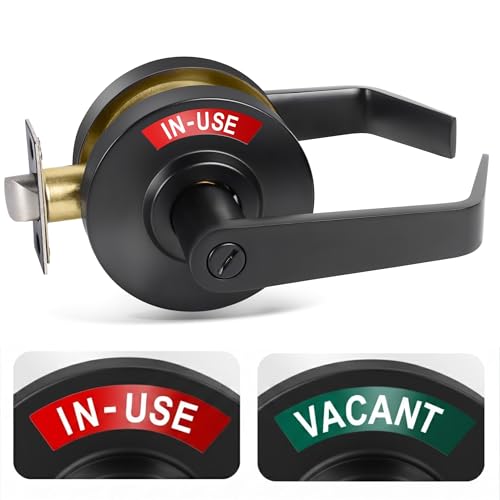
Onedaful Cuzofu Large Commercial Bathroom Door Handle, Occupied Door Handle for ANSI 2, Heavy Duty Vacant Occupied Bathroom Lock with Indicator for Privacy Office, Restaurant, Restroom (Matte Black)
[PREVENT AWKWARD ENCOUNTERS – 50FT VISIBILITY] Stop rude handle jiggling. The large "IN-USE" (Red) & "VACANT" (Green) display…
As an affiliate, we earn on qualifying purchases.
As an affiliate, we earn on qualifying purchases.
Conclusion
By carefully adjusting your lighting and contrast, you might find yourself steering your home more confidently, almost as if the right setup was meant to be. Sometimes, a simple lamp in the corner or a contrasting edge on a doorway can unexpectedly make all the difference. It’s like the perfect coincidence—your environment working harmoniously to keep you safe. With these small changes, you can create a space that feels both secure and welcoming, just as it should be.

Leyibo Anti Slip Tape with Glow in Dark Stripe for Stairs, 4”x35ft, Grip Tape for Stairs Steps for Outdoor/Indoor, Waterproof Non Slip Strips for Stair Treads, High Traction, Easy Install
Easy to Install – Anti slip tape measures 4 in by 35 ft a perfect size for all…
As an affiliate, we earn on qualifying purchases.
As an affiliate, we earn on qualifying purchases.

BestPro Lighting Outdoor Landscape Lighting 2PK Pathway Lights Low Voltage 20 Watt Halogen12VAC Landscape Lights 2700K Warm White Easy to Install Pagoda Fixture
Premium Quality Construction: Best Pro Lighting's 3-Tier Pagoda Light is constructed with heavy-duty cast aluminum and a powder-coated…
As an affiliate, we earn on qualifying purchases.
As an affiliate, we earn on qualifying purchases.