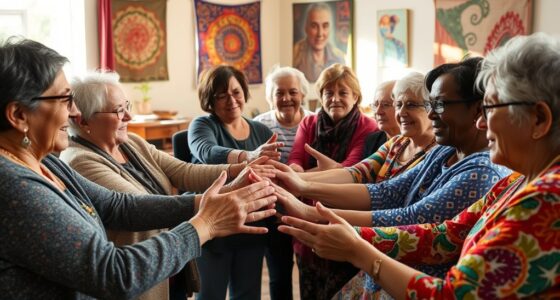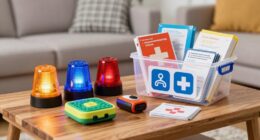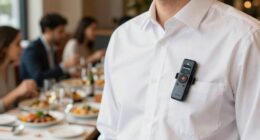

To navigate safely and confidently, you should develop strong orientation and mobility skills tailored for deafblind travelers. Use tactile maps, textured pathways, and environmental cues such as vibrations or sounds to understand your surroundings. Planning ahead with assistive technology and local support makes a big difference. Practice regularly in different settings to build confidence and independence. Keep exploring these techniques; you’ll discover even more strategies to make your travel experiences smoother and more enjoyable.
Key Takeaways
- Utilize tactile maps, textured pathways, and environmental cues to build spatial awareness and navigation skills.
- Incorporate assistive technology like GPS and wearable sensors tailored for deafblind users to enhance safety.
- Prepare by researching environment layouts, practicing orientation techniques, and consulting local support services.
- Develop touch-based landmark recognition and interpret environmental vibrations or sounds for orientation.
- Combine consistent practice with planning and assistive tools to foster independence and confidence during travel.

Exploring unfamiliar environments can be challenging for deafblind travelers, but developing strong orientation and mobility skills makes a significant difference. These skills enable you to move confidently and safely, reducing anxiety and increasing independence. One of the key tools in your arsenal is assistive technology, which can provide vital cues and information to help you understand your surroundings. Devices such as tactile maps, GPS systems designed for the deafblind, and wearable sensors can make a big difference in your ability to orient yourself. Incorporating assistive technology into your travel planning is essential; before you set out, research and select the appropriate tools that suit your needs. Planning your routes carefully, considering accessible transportation options, and knowing how to use your assistive devices enables you to approach each journey with confidence.
Strong orientation skills and assistive technology empower deafblind travelers to explore confidently and independently.
Effective travel planning involves more than just choosing destinations; it requires understanding the environment you’ll be exploring. When planning, consider the layout of the area, available support services, and the accessibility features of public transportation. Familiarize yourself with tactile maps or other orientation aids that can help you visualize your route before departure. Contacting local organizations or guides experienced with deafblind travelers can provide valuable insights and support, helping you prepare for potential challenges. Knowing how to communicate your needs in unfamiliar settings ensures you can access assistance when necessary, whether through tactile sign language, communication cards, or other methods.
Building your orientation skills involves practicing techniques to stay aware of your surroundings. Tactile and auditory cues play a crucial role here. For example, learning to follow tactile markers or textured pathways can help you stay on course. Developing a keen sense of touch to identify landmarks or environmental features helps you confirm your position. You should also learn to interpret environmental sounds or vibrations, which can provide clues about your location or the presence of obstacles. Regular practice in different environments builds your confidence and improves your ability to adapt to new situations quickly.
Additionally, understanding the importance of orientation and mobility skills in achieving independence is vital for navigating effectively in unfamiliar settings. Ultimately, your success as a deafblind traveler depends on combining effective travel planning, the strategic use of assistive technology, and consistent practice of orientation and mobility techniques. These skills empower you to explore independently, make informed decisions, and enjoy your travels without constant reliance on others. With preparation and practice, you can navigate new environments with confidence, turning travel challenges into opportunities for discovery and enjoyment.

Snow 12 Inch Foldable Portable Video Magnifier by Zoomax with OCR for Low Vision & Reading Assistance – HD Display, 19x Magnification, Text-to-Speech, & 20+ Language Support
VERSATILE FOLDING STAND: Enjoy stability and flexibility with the foldable stand of the Zoomax SNOW 12, perfect for...
As an affiliate, we earn on qualifying purchases.
Frequently Asked Questions
How Do Deafblind Travelers Communicate With Guides?
You communicate with guides through tactile signing or guide dog signals. Tactile signing involves feeling signs on the guide’s hands, allowing clear, direct communication. With guide dogs, you use specific commands and cues that the dog understands, often reinforced by tactile feedback. These methods help you stay oriented, share information, and navigate safely, ensuring effective and trusting communication between you and your guide.
What Technology Aids Are Most Effective for Deafblind Navigation?
Guiding as a deafblind traveler is like steering through fog with a reliable compass. Tactile maps are highly effective, providing hands-on spatial awareness, while GPS devices with haptic feedback guide you discreetly. Combining these tools helps you understand your environment and stay oriented. You get independence and confidence, knowing technology supports your journey and reduces reliance on others, making travel safer and more enjoyable.
How Can Travelers Prepare for Unexpected Obstacles?
To prepare for unexpected obstacles, you should familiarize yourself with adaptive routes and carry a tactile map or app that updates in real-time. Always review emergency procedures beforehand, so you know how to respond quickly. Stay alert and trust your orientation and mobility skills, using your cane or guide dog to detect obstacles. Regular practice helps you adapt and navigate confidently, even when surprises arise.
Are There Specialized Training Programs for Deafblind Mobility?
Think of specialized training programs for deafblind mobility as a tailored map guiding your journey. These programs often use sensory substitution and tactile mapping to help you navigate confidently. You learn techniques that turn touch and sound into valuable information, much like a compass. With focused instruction, you develop skills to overcome obstacles, ensuring you stay independent and safe while exploring new environments.
How Do Cultural Differences Impact Orientation Strategies?
Cultural perceptions and navigation customs markedly impact your orientation strategies. You need to understand local norms, such as personal space or preferred communication methods, to navigate effectively. Adapting your approach shows respect and helps build trust with locals, which can make your travel smoother. By being aware of these differences, you can develop more effective, culturally sensitive techniques that enhance your confidence and independence in new environments.

OrCam MyEye 3 Pro 2024 Advanced Vision Impairment Wearable: Text Reading, Face Recognition, Product ID & Smart Magnifier - Unique Solution for Books, Screens & More (ORCAM MYEYE 3 PRO US)
ADVANCED ASSISTIVE TECHNOLOGY: The OrCam MyEye 3 Pro is a new cutting-edge level, wearable device designed to empower...
As an affiliate, we earn on qualifying purchases.
Conclusion
By mastering orientation and mobility skills, you can confidently navigate the world as a deafblind traveler. Imagine feeling the gentle vibration of a guide’s cane as you approach a busy street, knowing exactly when it’s safe to cross. With proper training, you’ll build independence and enjoy new adventures without fear. Remember, every step you take brings you closer to exploring the world on your own terms, turning challenges into empowering experiences.
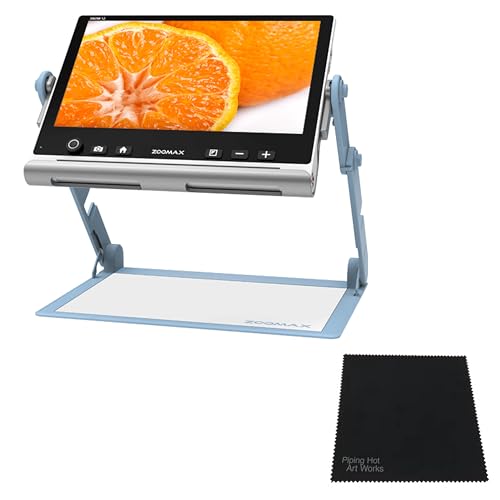
Piping Hot Art Works Zoomax SNOW 12 Inch Foldable Portable Video Magnifier Featuring OCR (Optical Character Recognition) Bundled with Microfiber Cleaning Cloth
VERSATILE FOLDING STAND: Enjoy stability and flexibility with the foldable stand of the Zoomax SNOW 12, perfect for...
As an affiliate, we earn on qualifying purchases.

HumanWare Explore 8 Handheld Electronic Magnifier
The first 8-inch handheld magnifier on the market
As an affiliate, we earn on qualifying purchases.