
Tactile ASL and ProTactile are communication methods that let deafblind people connect through touch. With tactile ASL, you place your hands on a signer’s hands or body to perceive signs, sharing language and emotions without sight. ProTactile goes further by including body language and shared touch to sense intentions and feelings. These methods break down barriers and foster community among deafblind individuals. If you keep exploring, you’ll discover how touch transforms meaningful interaction.
Key Takeaways
- Tactile ASL enables deafblind individuals to perceive signs through touch, using hand-over-hand or hand-on-body methods.
- ProTactile emphasizes shared tactile experiences, incorporating emotions, body language, and environmental cues for richer communication.
- Both methods adapt traditional sign language into tactile forms to overcome visual limitations and preserve linguistic structure.
- They foster social connection, community, and independence by enabling meaningful interactions without reliance on sight.
- These approaches break communication barriers, allowing deafblind people to express nuanced emotions and intentions through touch.
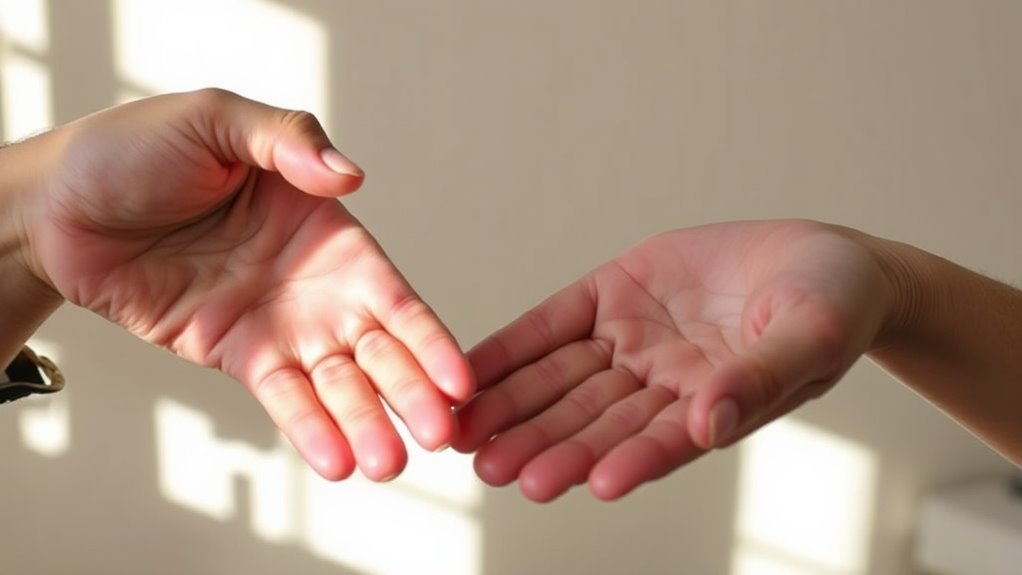
Tactile American Sign Language (Tactile ASL) and ProTactile communication transform how deafblind individuals connect and share experiences. These methods build on a rich history of sign language, evolving from traditional visual forms to tactile communication techniques that enable meaningful interaction without relying on sight. Understanding the sign language history reveals how sign languages developed as visual-spatial languages, originally designed for those with hearing loss. As deafblind individuals faced barriers to visual communication, tactile methods emerged as essential tools, allowing them to feel signs through touch. These techniques involve placing hands on a signer’s hands or body, translating visual signs into tactile signals that can be felt and interpreted. Tactile communication methods are highly adaptable, allowing for nuanced expression, and they have been refined over decades to meet the complex needs of users. For example, in Tactile ASL, you place your hands on a signer’s hands or body to perceive signs through touch, enabling a shared language that’s both expressive and immediate. This method preserves the grammatical structure and vocabulary of visual ASL but transmits it through tactile channels. ProTactile communication takes this further by emphasizing a shared tactile experience, where the communication becomes more than just signs—it’s about sensing emotions, intentions, and nuances through physical contact. This method often involves close physical proximity, with both parties engaged in a dynamic exchange that incorporates touch, body language, and shared environment.
You’ll notice that tactile communication techniques foster a sense of community and intimacy, breaking down barriers created by the loss of sight and hearing. The tactile approach isn’t just about words; it’s about feeling the emotions behind them. When you use these methods, you tap into a deep, kinesthetic understanding that surpasses what visual or auditory cues alone can offer. This makes communication more immediate and personal, providing a sense of presence and shared experience. For deafblind individuals, tactile ASL and ProTactile methods aren’t just tools—they’re pathways to social connection, identity, and independence. They preserve the richness of language while adapting it to the unique sensory experience, ensuring that no one is left out of meaningful conversations.
In essence, tactile communication techniques and the history of sign language show how language evolves to meet the needs of its users. As you engage in tactile ASL or ProTactile communication, you participate in a tradition that transforms the way deafblind individuals connect, fostering understanding and community through the power of touch.
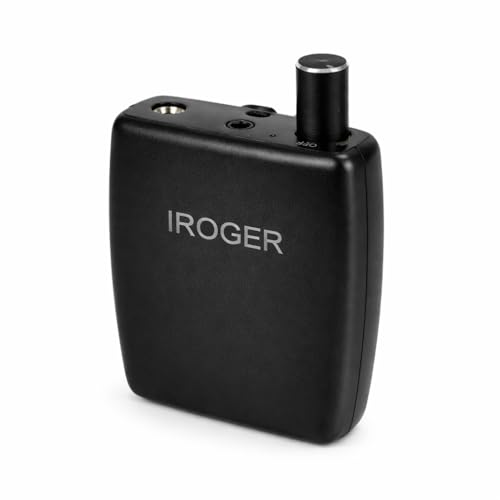
IROGER Hearing Amplifier for Seniors, Personal Sound Amplifier
rechargeable battery fully charges in just one hour and provides up to 120 hours of continuous use.
As an affiliate, we earn on qualifying purchases.
Frequently Asked Questions
How Do Tactile ASL and Protactile Differ in Everyday Use?
You’ll find tactile ASL involves using touch to communicate through hand signs, engaging your senses and fostering close interpersonal dynamics. ProTactile, on the other hand, emphasizes shared sensory engagement by using touch to convey environmental and emotional cues, creating a richer connection. In everyday use, tactile ASL is more formal and structured, while ProTactile promotes a more intuitive, immersive experience, strengthening your interpersonal bonds through heightened sensory interaction.
What Training Is Required to Learn Tactile ASL or Protactile?
You wonder what training you’ll need to master tactile ASL or ProTactile? The journey starts with a solid foundation in ASL, then moves into specialized skill development. Training prerequisites often include fluency in visual ASL, but hands-on workshops and mentorship are vital for developing tactile sensitivity. With dedication, you’ll open a new way to connect—step by step, feeling your way into effective communication.
Are Tactile ASL and Protactile Equally Effective for All Deafblind Individuals?
You might find that tactile ASL and ProTactile vary in communication effectiveness based on individual preferences. Some deafblind people favor tactile ASL for its visual clarity, while others prefer ProTactile for its hands-on, immediate approach. Effectiveness depends on personal comfort, sensory processing, and context. It is crucial to take into account each person’s unique needs and preferences to determine which method best supports clear, meaningful communication.
How Accessible Are Resources for Learning Tactile ASL and Protactile?
You’ll find that online resources for learning tactile ASL and ProTactile are increasingly available, but access can vary depending on your location. Community support plays a crucial role; local organizations and events often provide hands-on training and mentorship. While online courses are helpful, engaging with your community ensures you get personalized guidance and real-world practice, making learning more accessible and effective for your unique needs.
Can Tactile ASL and Protactile Be Combined With Other Communication Methods?
You can definitely combine tactile ASL and pro-tactile methods with other communication approaches. Many people use multimodal communication, integrating sign language, speech, and assistive technology to bolster understanding. This flexibility allows you to tailor communication to your needs, making interactions more effective. Combining methods fosters inclusivity and ensures you can connect with others more comfortably, regardless of the context or environment.

Sound Amplifier - Pocket Sound Voice Enhancer Device with Duo Mic/Ear Plus Extra Headphone and Microphone Set, Personal Hearing Amplifier Device by MEDca
UNMATCHED PERFORMANCE! HEAR EVERYTHING MORE THAN 100 FEET AWAY: If you've been looking for a high quality Personal...
As an affiliate, we earn on qualifying purchases.
Conclusion
As you explore tactile ASL and ProTactile, you’ll discover a world where touch transforms communication in profound ways. But there’s more beneath the surface—hidden nuances and evolving practices that challenge what you think you know. Will these methods reshape how you understand connection? The journey into tactile language isn’t just about learning; it’s about uncovering a future where silence speaks volumes. Are you ready to see what’s next?
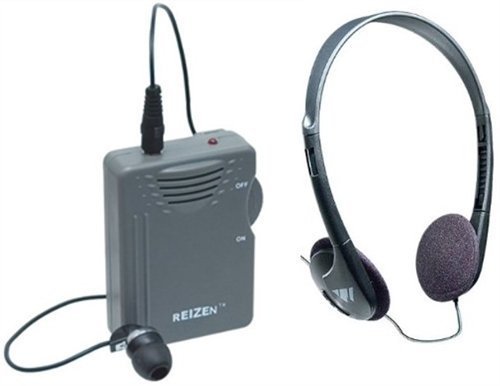
Elite Package: Reizen Loud Ear 120dB Gain Personal Amplifier
Powerful personal amplifier with 120dB gain
As an affiliate, we earn on qualifying purchases.

OrCam MyEye Smart is an Advanced Artificial Intelligence Device That Helps People with Visual Impairment Read The Morning Paper, Books, Text Messages, Emails, and More.
OrCam MyEye Smart Advanced Wearable Assistive Reading Device for Those who are Visually Impaired Have Dyslexia or Reading...
As an affiliate, we earn on qualifying purchases.