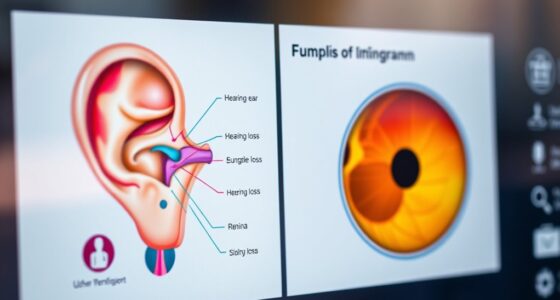

Deafblindness is a condition where you experience a severe or total loss of both hearing and sight, making it hard to perceive and connect with the world around you. It impacts how you gather information through your remaining senses and often requires specialized techniques like tactile signing or Braille. Support and technology can help you navigate daily life more easily. If you stay with us, you’ll discover more about how people adapt and communicate despite these challenges.
Key Takeaways
- Deafblindness involves a significant combined loss of hearing and sight, affecting perception and interaction.
- It impairs the ability to access information and communicate using traditional sensory channels.
- Individuals rely on alternative methods like tactile signing and Braille for communication.
- Sensory integration from remaining senses helps create awareness and understanding of the environment.
- Supportive technologies and specialized strategies enhance independence and participation in daily life.

Have you ever wondered what it’s like to experience both deafness and blindness simultaneously? It’s a reality for individuals with deafblindness, a condition that profoundly impacts how they perceive and interact with the world. Because their senses of hearing and sight are either severely limited or entirely absent, they rely heavily on sensory integration to process their surroundings. Sensory integration involves combining information from whatever senses remain—touch, smell, taste, and sometimes residual hearing or sight—to create a coherent understanding of their environment. This process isn’t automatic; it takes effort and specialized techniques to piece together the world around them. Recognizing the importance of modern assistive tools can make a significant difference in their daily lives.
Deafblind individuals rely on sensory integration to understand their environment through remaining senses.
For people with deafblindness, traditional communication methods like spoken language or visual cues often become inaccessible. Instead, they depend on alternative approaches tailored to their unique needs. Tactile communication methods, such as tactile signing or Braille, enable them to connect with others. Tactile signing involves feeling signs made into the hands or body, transforming language into a physical experience. Braille, on the other hand, provides tactile literacy through raised dots, allowing them to read and write. These communication methods require training and familiarity, both for the individual and their support network, to be effective. It’s not just about substituting sight or sound; it’s about creating new pathways for interaction that tap into remaining senses and develop new skills.
Living with deafblindness means mastering these communication techniques to maintain relationships, access information, and participate fully in daily life. You might find that they develop heightened sensitivity in other senses, which helps compensate for their limitations. For example, someone might become exceptionally attuned to vibrations or subtle changes in airflow to detect movement or sound. Their brains adapt by optimizing the sensory channels they can still use, forming a complex web of sensory experiences that are entirely different from typical perception. Understanding how these individuals adapt highlights the importance of sensory integration and targeted support.
Support and technology play essential roles in facilitating communication and sensory integration for deafblind individuals. Assistive devices, like tactile alert systems or specialized communication boards, help bridge the gaps created by their dual sensory loss. Support professionals work closely with them to develop personalized strategies, ensuring they can navigate their environment and communicate effectively. While deafblindness presents significant challenges, understanding the importance of sensory integration and innovative communication methods reveals a world of resilience, adaptability, and potential. You come to see that with the right tools and support, individuals with deafblindness can lead meaningful, connected lives—challenging assumptions and opening pathways to understanding and empathy.

Jutom 4 Pack 4 Lines 28 Cells Braille Slate and Stylus Kit, Braille Fingerboard Writing Kits Braille Learning Tool Accessory for Blind and Visually Impaired Blind Plastic Braille Slate Gifts
Product Content: you will receive 4 sets of braille writing slate and stylus, including 4 pieces of braille…
As an affiliate, we earn on qualifying purchases.
As an affiliate, we earn on qualifying purchases.
Frequently Asked Questions
How Common Is Deafblindness Globally?
Deafblindness has a low global prevalence, affecting around 0.2% to 2% of the population, but incidence rates vary widely. You might encounter it more often in specific regions or age groups, especially among older adults. Because data collection differs across countries, understanding the true prevalence can be challenging. Overall, it remains a rare condition worldwide, but its impact on individuals and communities is significant and requires awareness.
Can Deafblindness Be Inherited Genetically?
About 30% of deafblindness cases are linked to genetic inheritance, so family history plays a significant role. If you have relatives with genetic conditions like Usher syndrome or Waardenburg syndrome, your risk increases. Inherited deafblindness results from specific gene mutations passed down through generations. Understanding your family history can help you assess your chances and seek early intervention or genetic counseling to manage or prepare for potential challenges.
What Technologies Assist Deafblind Individuals Daily?
You can rely on various assistive devices like Braille displays, screen readers, and tactile alert systems to navigate daily tasks. Communication strategies such as tactile signing, braille, and specialized listening devices help you stay connected. These tools and methods enable you to access information, communicate effectively, and maintain independence, making everyday life more manageable despite challenges posed by deafblindness.
Are There Specific Therapies for Deafblindness?
Yes, there are specific therapies tailored for deafblindness that focus on sensory integration and tactile communication. You might work with specialists who help you develop skills to better interpret tactile signals and enhance sensory processing. These therapies often include tactile training, environmental adaptations, and communication methods that strengthen your ability to connect with others. Consistent, personalized therapy can markedly improve your daily interactions and overall independence.
How Does Deafblindness Differ From Dual Sensory Loss?
Deafblindness differs from dual sensory loss because it involves a unique sensory combination that affects your overall perception, leading to more complex communication challenges. While dual sensory loss refers to the loss of two senses, deafblindness specifically impacts your hearing and vision simultaneously, making it harder to access information and interact with your environment. This combined sensory impairment requires specialized strategies to improve communication and daily functioning.

Joyreal AAC Device for Autism, Non Verbal Communication Tools for Speech Therapy & Stroke Rehab. Communication Tablet, Autism Talking Aids with 8 Programmable Buttons & Adjustable Volume
37 Easy To Understand Talking Buttons- Our AAC device for speech comes with 37 pre-installed instructions in a…
As an affiliate, we earn on qualifying purchases.
As an affiliate, we earn on qualifying purchases.
Conclusion
Deafblindness may seem rare, but it affects about 1 in 10,000 people worldwide. This condition challenges your ability to see and hear, making everyday tasks difficult. Understanding deafblindness helps you appreciate the resilience of those living with it and the importance of support. By raising awareness, you can help create more inclusive communities where everyone has the chance to thrive, regardless of their sensory abilities. Your awareness can make a meaningful difference.
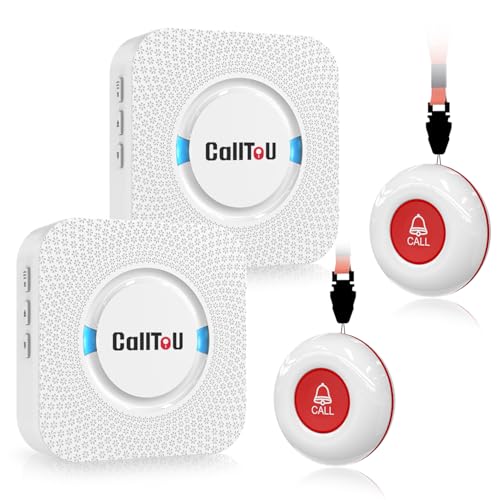
CallToU Wireless Caregiver Pager Smart Call System 2 SOS Call Buttons/Transmitters 2 Receivers Nurse Calling Alert Patient Help System for Home/Personal Attention Pager 500+Feet Plugin Receiver
[ Wireless Guard ] 2 Receiver 2 Call Button. Allow caregivers and residents to be free while ensuring…
As an affiliate, we earn on qualifying purchases.
As an affiliate, we earn on qualifying purchases.
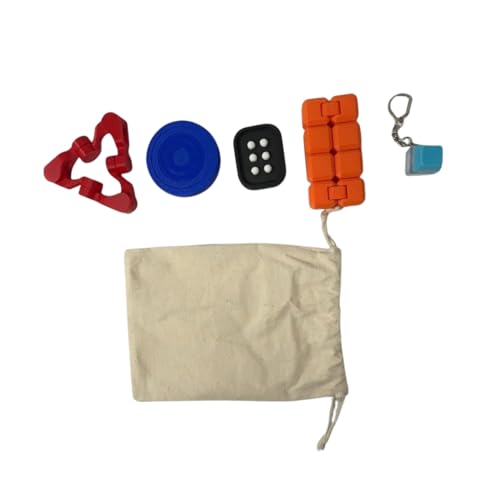
Tactile Fidget Kit for the Blind, Five Handheld Toys for Sensory-Rich Fidget Fun, Includes Pop Braille Cell, Montessori Tools for Visually Impaired Kids
Fully Tactile: All five fidget toys are designed to be experienced through touch – no sight required.
As an affiliate, we earn on qualifying purchases.
As an affiliate, we earn on qualifying purchases.