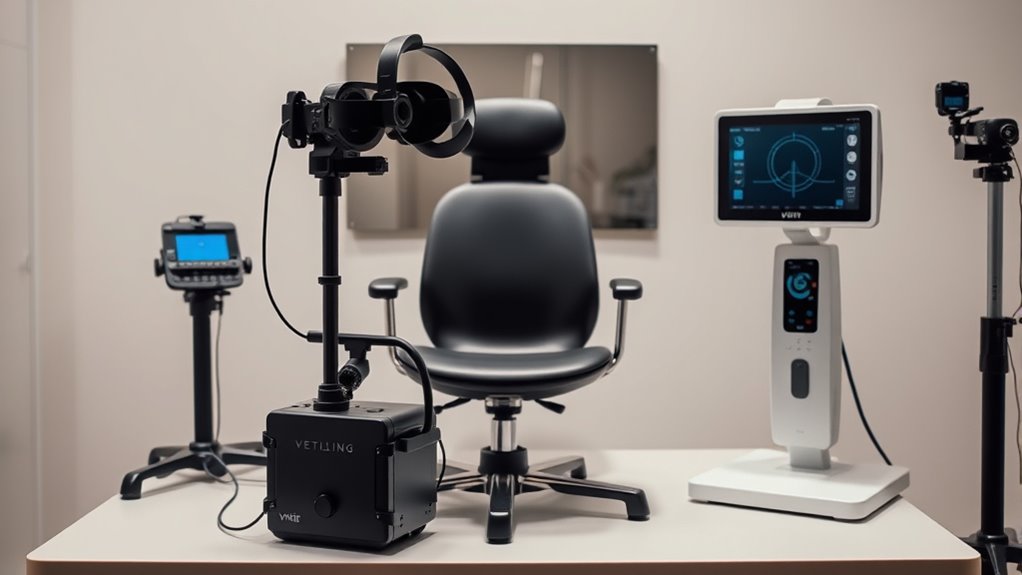

Balance testing using tools like VNG, Vhit, and rotary chair helps identify issues in your vestibular system that affect stability and increase fall risk. VNG tracks your eye movements during various tasks to detect inner ear problems, while Vhit quickly assesses your reflex responses during head movements. Rotary chair testing evaluates your balance response to rotation. If you keep exploring, you’ll discover how these tests can guide targeted treatments to improve your stability and confidence.
Key Takeaways
- Balance testing evaluates inner ear and brain coordination using tools like VNG, Vhit, and rotary chair to identify vestibular system issues.
- VNG records eye movements during different tasks to detect vestibular abnormalities affecting balance and stability.
- Vhit assesses VOR function through rapid head turns, helping to identify inner ear deficiencies early.
- Rotary chair testing rotates individuals at various speeds to measure vestibular responses and diagnose complex balance disorders.
- These assessments guide targeted vestibular rehabilitation to improve balance, reduce dizziness, and prevent falls.

Have you ever wondered how well you can stay steady on your feet? Balance testing plays an essential role in understanding your inner ear and brain’s ability to coordinate movement and maintain stability. When you’re assessed with tools like VNG (videonystagmography), Vhit (video head impulse test), or a rotary chair, you’re taking critical steps toward identifying issues that may affect your balance. These tests help pinpoint problems within the vestibular system, which is responsible for your sense of equilibrium. Knowing your specific challenges allows healthcare providers to recommend targeted therapies, including vestibular rehabilitation, aimed at restoring your balance and reducing fall risk.
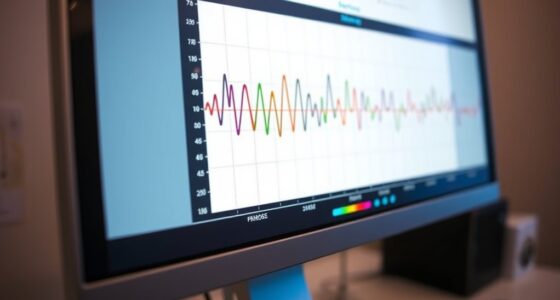
VNG is a detailed test that records eye movements while you perform various tasks, helping doctors detect abnormalities in the vestibular system. During the test, you’ll sit in front of a screen, and sensors will track your eye movements as you follow visual targets or respond to positional changes. This data reveals how well your inner ear and brain work together to stabilize your gaze and maintain posture. Identifying deficits here is essential because they can contribute to dizziness, vertigo, and instability, all of which increase your fall risk. Once the root causes are clear, vestibular rehabilitation can be tailored to strengthen your balance responses and retrain your brain to compensate for deficits.
VNG detects vestibular system abnormalities to improve balance and reduce fall risk through targeted therapy.
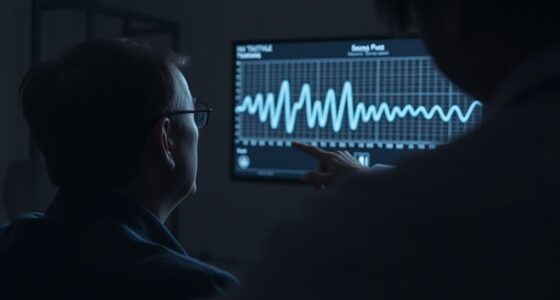
Vhit, or the video head impulse test, is a quick, focused assessment that measures your vestibulo-ocular reflex (VOR), which stabilizes your vision during head movements. When you’re subjected to rapid head turns, Vhit evaluates how effectively your eyes stay fixed on a target. If the test uncovers weaknesses in your VOR, it indicates that your inner ear isn’t providing accurate signals, which can impair your ability to navigate safely. Recognizing these issues early is key to implementing fall prevention strategies. Vestibular rehabilitation exercises designed for Vhit findings often focus on improving VOR function, helping you regain confidence in your movements.
The rotary chair test offers a controlled environment to evaluate your vestibular function by rotating you at different speeds while monitoring eye movements. This test is especially helpful if other assessments suggest central or peripheral vestibular problems. The rotary chair provides objective data on how your balance system responds to rotational stimuli, which is crucial for diagnosing complex balance disorders. When combined with a personalized vestibular rehabilitation program, the insights from this test can lead to effective strategies for fall prevention. It’s a proactive step toward maintaining your independence and reducing injury risk.
VNG balance testing equipment
As an affiliate, we earn on qualifying purchases.
As an affiliate, we earn on qualifying purchases.
Frequently Asked Questions
How Accurate Are VNG, Vhit, and Rotary Chair Tests?
You can trust the accuracy of VNG, Vhit, and Rotary Chair tests, as they have high test reliability when equipment is properly calibrated. Regular calibration guarantees precise measurements, minimizing errors and improving diagnostic confidence. While no test is perfect, these methods are considered dependable tools for evaluating balance and vestibular function when maintained correctly. Proper technician training and equipment upkeep are essential for maximum accuracy and dependable results.
Are These Balance Tests Suitable for Children?
These balance tests are like a gentle dance, suitable for children when adapted properly. They have good pediatric applicability, with procedures tailored for kids’ comfort and cooperation. Using engaging methods and child-friendly environments, you can guarantee accurate results while making the experience less intimidating. Overall, VNG, Vhit, and rotary chair tests can work well for children, provided you prioritize their comfort and developmental needs during testing.
How Long Does Each Balance Test Typically Take?
The test duration for balance assessments like VNG, Vhit, and Rotary Chair varies, typically lasting between 30 to 60 minutes. You’ll want to guarantee proper patient preparation, such as avoiding caffeine or medications beforehand, to get accurate results. Each test is designed to be thorough yet efficient, allowing you to assess balance function effectively without causing excessive discomfort or fatigue.
Can These Tests Diagnose All Vestibular Disorders?
Did you know that these tests diagnose approximately 80% of vestibular disorders? While VNG, Vhit, and Rotary Chair are essential, they don’t catch all issues due to diagnostic limitations. These tests help identify many vestibular problems, but some disorders require additional assessments like MRI or clinical evaluations. So, while they’re highly effective, they can’t solely confirm every vestibular disorder, making extensive testing necessary for accurate diagnosis.
What Are the Risks or Side Effects of Balance Testing?
Balance testing can cause some test discomfort, such as dizziness or nausea, but serious side effects are rare. You might also experience false positives, where the test suggests a problem that isn’t actually present. To minimize risks, guarantee the testing is conducted by trained professionals who can monitor your response and stop the test if you feel uncomfortable. Always discuss any concerns beforehand to ensure a safe testing experience.
video head impulse test Vhit device
As an affiliate, we earn on qualifying purchases.
As an affiliate, we earn on qualifying purchases.
Conclusion
So, next time you wobble like a newborn deer, just blame your inner ear—no need for a dramatic fall. With VNG, VHIT, and rotary chair tests, we’ve got your balance issues covered, proving that even your inner ear has a complicated personality. Who knew? Just remember, if you’re still dizzy after testing, maybe it’s time to contemplate a career in tightrope walking—at least you’ll be prepared for the fall!
rotary chair vestibular test
As an affiliate, we earn on qualifying purchases.
As an affiliate, we earn on qualifying purchases.

Vestibular Rehabilitation Therapy for the Patient with Dizziness and Balance Disorders: Exercise Protocols (Second Edition)
As an affiliate, we earn on qualifying purchases.
As an affiliate, we earn on qualifying purchases.