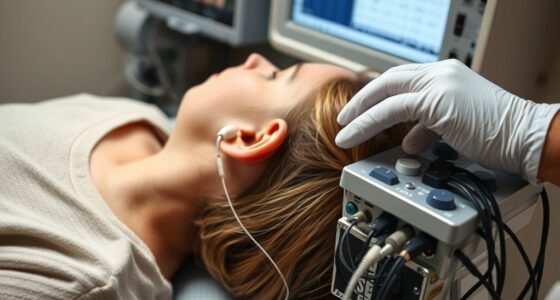

Central Auditory Processing Disorder (CAPD) affects how your brain interprets sounds, not how your ears hear them. You might find it hard to understand speech, especially in noisy places, because your neural pathways don’t efficiently transmit sound signals to your brain. This can make distinguishing similar sounds or following conversations challenging. Through targeted auditory training, you can strengthen these pathways and improve your skills. Keep exploring to discover ways to better manage and understand CAPD.
Key Takeaways
- CAPD involves difficulties in how the brain processes auditory information, not issues with hearing itself.
- It affects understanding speech, especially in noisy environments, due to inefficient neural pathways.
- Neural pathways transmit sound signals from ears to brain; their strength impacts sound interpretation.
- Auditory training exercises can strengthen these pathways, improving speech comprehension and sound discrimination.
- Targeted interventions with professionals help enhance auditory processing skills and overall communication.
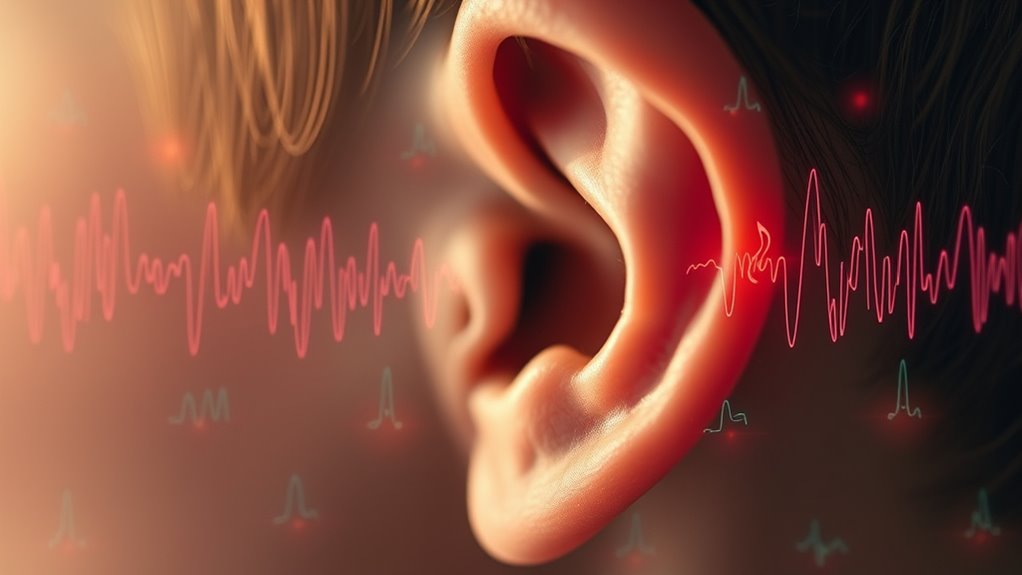
Ever wondered how Continuous Ambulatory Peritoneal Dialysis (CAPD) helps people manage kidney failure? Well, while CAPD is a treatment that uses your body’s peritoneal membrane to filter waste, understanding CAPD in the context of Central Auditory Processing Disorder (CAPD) is quite different but equally captivating. When it comes to CAPD, you’re not dealing with the kidneys but with how your brain processes what you hear. Central auditory processing involves neural pathways that transmit sound signals from your ears to your brain’s auditory centers. If these neural pathways are compromised or inefficient, you might find it challenging to interpret speech, especially in noisy environments. That’s where auditory training comes into play.
Auditory training is a structured way to improve how your brain interprets sound. It involves exercises designed to strengthen neural pathways involved in processing auditory information. You might be surprised to learn that the brain isn’t just passively receiving sounds; it actively interprets and makes sense of them through a complex network of neural pathways. When these pathways are not functioning properly, it can lead to difficulties distinguishing similar sounds, understanding speech in noisy settings, or following fast-paced conversations. Auditory training aims to enhance the efficiency and strength of these neural pathways, making it easier for you to process speech and other sounds accurately.
Auditory training strengthens neural pathways to improve sound interpretation and speech understanding.
Think of auditory training as a workout for your brain’s auditory system. You might engage in activities like listening to increasingly complex sounds, repeating back sequences, or identifying specific noises amid background noise. These exercises help rewire or strengthen neural pathways, improving your overall auditory processing skills. It’s similar to how physical exercise helps strengthen muscles; auditory training can help optimize your brain’s ability to process sound. Over time, this can lead to noticeable improvements in speech comprehension, especially in challenging listening environments.
Understanding the importance of neural pathways in auditory processing highlights why targeted auditory training is effective. It isn’t just about hearing sounds; it’s about how your brain interprets those sounds and turns them into meaningful information. If you’re experiencing difficulty understanding speech, especially in noisy places, working with an audiologist or speech-language pathologist trained in auditory training can help. They can tailor exercises to your specific needs, focusing on enhancing the neural pathways responsible for auditory processing. Recognizing neural pathways as a crucial component emphasizes the significance of targeted interventions. In the end, strengthening these pathways can immensely improve your communication skills and quality of life, making everyday conversations easier and more enjoyable.
auditory training exercises for CAPD
As an affiliate, we earn on qualifying purchases.
As an affiliate, we earn on qualifying purchases.
Frequently Asked Questions
How Is CAPD Diagnosed Differently From Other Hearing Issues?
You get diagnosed with CAPD through specialized auditory processing tests that focus on how your brain interprets sounds, rather than just hearing ability. Unlike standard hearing tests, diagnostic tools for CAPD assess auditory processing skills, like sound discrimination and comprehension. This helps differentiate CAPD from other hearing issues, which typically involve ear or hearing nerve problems. The process often involves a series of tests conducted by audiologists or specialists trained in auditory processing disorders.
Can CAPD Develop Later in Life or Is It Only Childhood-Based?
Yes, CAPD can develop later in life, known as adult onset or late development. You might notice symptoms emerging due to aging, neurological changes, or brain injury. It’s not just a childhood condition; adults can experience CAPD’s challenges with understanding speech, especially in noisy environments. If you suspect late development of CAPD, consult a specialist for proper testing and management to improve communication and quality of life.
What Are the Most Effective Treatment Options for CAPD?
Imagine opening a hidden door; that’s what effective CAPD treatments can do. You’ll benefit most from auditory training, which sharpens your listening skills, and environmental modifications, like reducing background noise. These strategies help you process sounds more clearly. Consistent practice and working with audiologists or speech therapists make these treatments powerful. Together, they can dramatically improve your communication and confidence in everyday situations.
How Does CAPD Affect Academic and Social Performance?
With CAPD, you might struggle with auditory comprehension, making it hard to follow classroom instructions or understand lessons. This can affect your academic performance, leading to frustration or falling behind. Socially, it becomes tougher to engage in peer interactions because you may miss cues or have trouble hearing conversations clearly. These challenges can impact your confidence and relationships, but with proper support, you can improve your communication skills and social participation.
Are There Specific Signs That Suggest a Child Should Be Tested for CAPD?
If your child struggles with listening difficulties or attention challenges that seem endless, it’s a sign they might need testing for CAPD. You might notice they frequently ask for repeats, have trouble following directions, or seem distracted even when they should be focused. These signs aren’t normal and could indicate auditory processing issues. Early testing can help identify the problem and get your child the support they need.

Musfunny Ocean Drum Wave Bead Drums Gentle Sea Sound Music Gift Musical Educational Sea Sound Drum Tool for Kid Child Baby (Blue)
Perfect Size and Gift for Baby: Diameter: 18cm, high:2.3cm, the size is perfect for little one to grab…
As an affiliate, we earn on qualifying purchases.
As an affiliate, we earn on qualifying purchases.
Conclusion
Understanding CAPD helps you recognize how your brain processes sounds, making everyday communication clearer. Did you know that nearly 5% of children in the U.S. have CAPD, yet many go undiagnosed? This highlights how common and often overlooked this disorder is. By learning the basics, you’re better equipped to seek help and improve your listening skills. Remember, early intervention can make a big difference in managing CAPD and enhancing your quality of life.
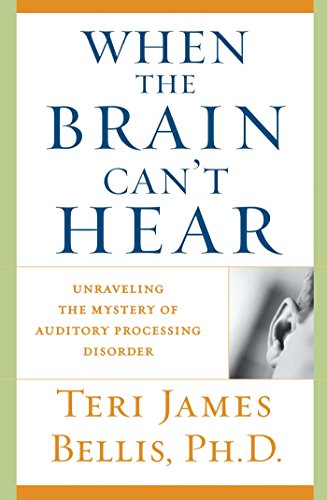
When the Brain Can't Hear: Unraveling the Mystery of Auditory Processing Disorder
As an affiliate, we earn on qualifying purchases.
As an affiliate, we earn on qualifying purchases.

ProCase Noise Reduction Ear Muffs, Sound Proof Ear Protection, NRR 28dB Noise Cancelling Headphones for Adults Kids Autism, Hearing Protection for Mowing -Black
Constructed by solid ABS shell and thickened foam, the ear muffs achieve NRR 28 dB (SNR 34 dB)…
As an affiliate, we earn on qualifying purchases.
As an affiliate, we earn on qualifying purchases.