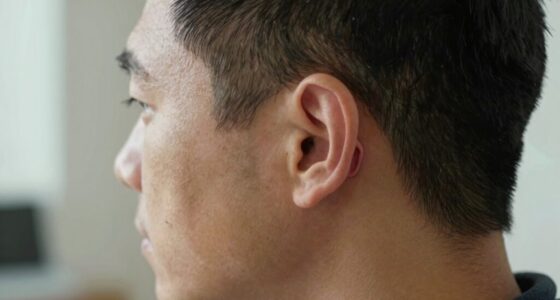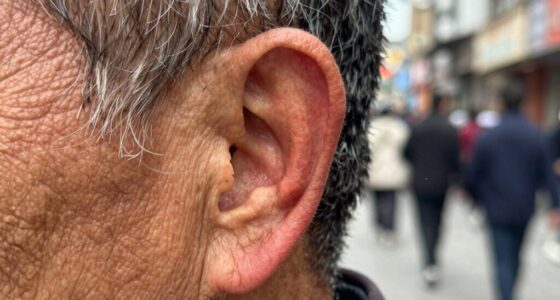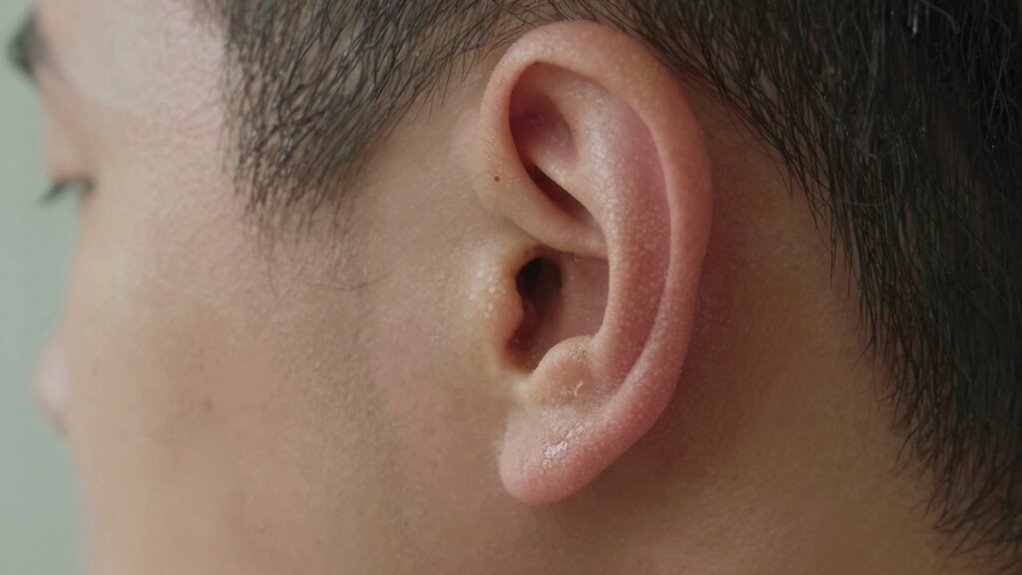

Ear fullness, pressure, and hearing changes are linked by disruptions in your ear’s pressure regulation, mainly involving the Eustachian tube and inner ear. When the Eustachian tube fails to open properly, pressure builds in your middle ear, causing fullness and muffled hearing. This pressure can also affect the inner ear, leading to dizziness or distorted sounds. Understanding how these systems work together can help you recognize early signs and find relief—keep exploring to learn more.

Get everyday helpers delivered free with Prime
- Fast, free delivery on millions of items
- Prime Video, Amazon Music and more included
- Member-only deals all year
Key Takeaways
- Ear fullness and pressure often result from Eustachian tube dysfunction, which disrupts pressure equalization in the middle ear.
- Changes in pressure can affect the inner ear, causing muffled hearing and balance disturbances.
- Swelling, congestion, or infection can block the Eustachian tube, leading to pressure buildup and hearing changes.
- The inner ear’s structures translate vibrations into sound; pressure shifts can distort these signals, altering hearing.
- Techniques like swallowing or yawning help open the Eustachian tube, alleviating pressure and restoring normal hearing.
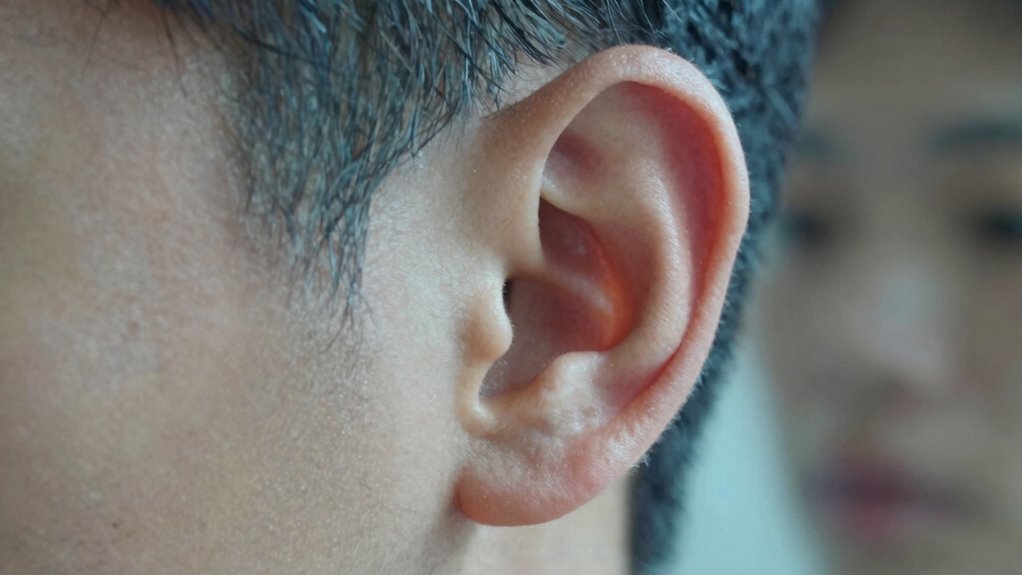
If you’ve ever experienced a sensation of fullness or pressure in your ears along with hearing changes, you’re not alone. These feelings often stem from issues within your inner ear or disruptions in the Eustachian tube, a small but essential channel that connects your middle ear to the back of your throat. When the Eustachian tube isn’t functioning properly, it fails to equalize pressure between your middle ear and the environment, leading to that muffled sound and sense of fullness. This can happen during altitude changes, after a cold, or due to allergies, which cause swelling and blockages in the tube.
Eustachian tube issues cause ear fullness, pressure, and hearing changes during altitude shifts, colds, or allergies.
The inner ear plays a key role in your hearing and balance. It contains tiny, delicate structures like the cochlea and semicircular canals that translate sound vibrations into neural signals. When pressure builds up in the middle ear because the Eustachian tube isn’t opening properly, it can affect how these signals are processed. You might notice that sounds become distorted or muffled, and your balance feels off. This pressure can also cause pain or discomfort, especially if it persists or worsens.
The Eustachian tube’s job is to regulate air pressure in your middle ear and drain any fluid that accumulates. When functioning normally, it opens briefly with each swallow or yawn, allowing air to flow and equalize pressure. However, if the tube becomes blocked due to congestion, inflammation, or infection, it can’t perform this task effectively. This obstruction traps air and fluids, creating a pressure imbalance that affects your hearing and makes your ear feel full. You might also experience popping or clicking sounds as your body attempts to open the tube. Additionally, persistent issues can lead to ear infections, which further complicate the situation. Understanding how the Eustachian tube functions can help you recognize early signs of dysfunction and seek appropriate treatment.
In some cases, the sensation of fullness and hearing changes resolve on their own once the Eustachian tube clears or the underlying cause diminishes. But if the problem persists, it can lead to more serious conditions like ear infections or even damage to the inner ear structures. Recognizing ear pressure and other symptoms, such as pain, dizziness, or persistent hearing loss, is essential for timely treatment. Techniques like auto-inflation may help open the Eustachian tube and relieve symptoms. Managing these symptoms often involves techniques to open the Eustachian tube, like swallowing, yawning, or using decongestants. Understanding how the inner ear and Eustachian tube work together can help you better recognize the causes of ear fullness, pressure, and hearing changes, and take appropriate steps to address them. Recognizing disruptions in the inner ear functions can be crucial as they directly impact both hearing and balance.
Eustachian tube decongestant spray
As an affiliate, we earn on qualifying purchases.
As an affiliate, we earn on qualifying purchases.
Frequently Asked Questions
Can Ear Fullness Indicate a Serious Medical Emergency?
Yes, ear fullness can indicate a serious medical emergency, especially if it’s sudden, severe, or accompanied by pain, dizziness, or hearing loss. It might signal issues like a blocked ear canal, ear infections, or more severe conditions like a ruptured eardrum. If you experience persistent or worsening fullness, seek medical attention promptly to prevent complications and guarantee proper diagnosis and treatment.
How Long Do Pressure-Related Hearing Changes Typically Last?
Pressure-related hearing changes from ear barotrauma or sinus congestion usually last a few hours to a day, but it varies. If you’re experiencing persistent symptoms, it could indicate an underlying issue like fluid buildup or damage, so you should see a healthcare professional. To ease the discomfort, try yawning, swallowing, or using decongestants. Usually, these symptoms resolve as pressure equalizes, but prolonged issues need medical attention.
Are There Natural Remedies for Relieving Ear Pressure?
A stitch in time saves nine, and that applies to ear pressure too. You can try home remedies like warm compresses or gentle ear exercises, such as swallowing or yawning, to help relieve pressure. Chewing gum or valsalva maneuvers may also help open your Eustachian tubes. Always stay cautious and consult a healthcare professional if symptoms persist, but these natural methods often provide quick relief.
Can Ear Fullness Affect Balance and Coordination?
Yes, ear fullness can affect your balance and coordination because the inner ear plays a vital role in maintaining equilibrium. When your ear feels full or pressure builds up, it can disrupt the inner ear’s signals, leading to balance issues or dizziness. This sensation might make you feel unsteady or cause coordination problems, especially if the fullness persists. Addressing the underlying cause of ear fullness can help restore your balance and prevent falls.
When Should I See a Doctor for Persistent Ear Symptoms?
You should see a doctor if your ear symptoms persist beyond a few days, worsen, or are accompanied by severe pain, dizziness, or fever. While home remedies and ear exercises might help relieve mild discomfort, persistent issues need medical evaluation. Don’t delay seeking professional help to diagnose underlying conditions like infections or fluid buildup, ensuring appropriate treatment and preventing complications that could affect your hearing or balance.
Conclusion
Understanding how ear fullness, pressure, and hearing changes connect helps you recognize when to seek help. Did you know that nearly 15% of adults experience ear-related issues annually? These symptoms can considerably impact your daily life, but early intervention makes a difference. Stay aware of your body’s signals, and don’t ignore persistent discomfort. Your hearing health is vital—taking action now can prevent future problems and keep you connected to the world around you.
Fall Picks
fall essentials
As an affiliate, we earn on qualifying purchases.