
To safely manage earwax, avoid inserting objects like cotton swabs or hairpins, as they can push wax deeper or cause injury. Instead, use gentle oils such as mineral or baby oil to soften wax and let it drain naturally. If you experience pain, dizziness, or prolonged blockage, seek professional help rather than trying risky home methods. Following these guidelines helps protect your ears—discover more ways to keep your ears healthy below.
Key Takeaways
- Do use gentle oils like mineral or baby oil to soften earwax safely.
- Don’t insert cotton swabs, hairpins, or sharp objects into your ears.
- Do tilt your head to allow softened wax to drain naturally.
- Don’t ignore persistent pain, dizziness, or hearing issues—seek professional care.
- Do consult a healthcare professional for safe removal if home methods fail or symptoms worsen.
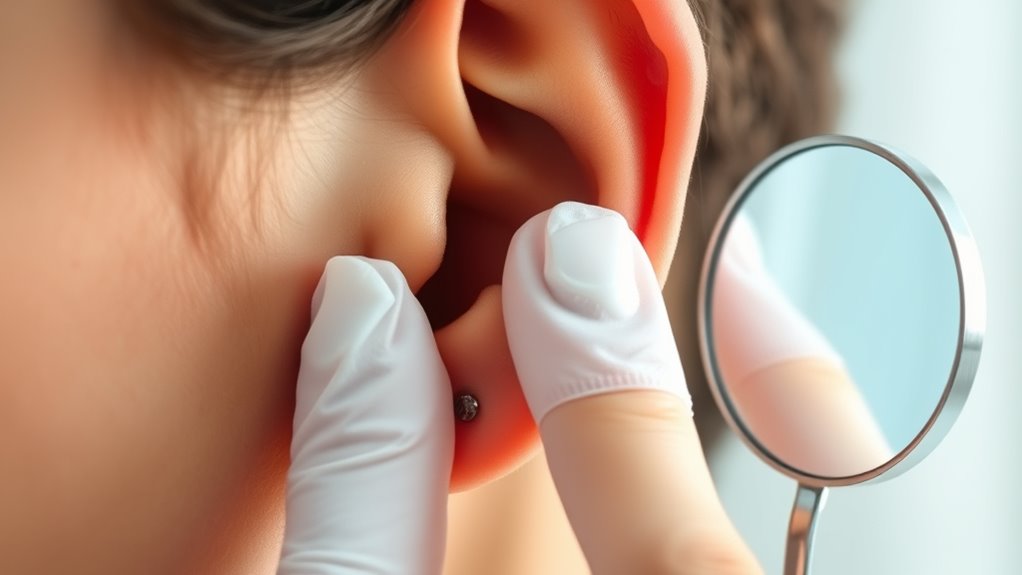
Have you ever wondered how to properly manage earwax? Many people don’t realize that earwax, or cerumen, actually serves an important purpose in protecting your ears. It traps dust, dirt, and other particles, preventing them from reaching the eardrum. But when excess earwax builds up, it can cause discomfort, muffled hearing, or even infections. The key is knowing how to handle earwax removal safely without damaging your ears.
First, avoid inserting objects like cotton swabs, hairpins, or keys into your ear canal. These tools might seem helpful, but they often push wax deeper or scratch the delicate skin inside. Instead, focus on gentle, natural remedies that soften and dislodge the wax. For example, using a few drops of mineral oil, baby oil, or glycerin can help loosen stubborn earwax. Warm, not hot, oil is best, and you can tilt your head to allow the oil to sit in the ear for several minutes. Afterward, tilt your head to let the softened wax drain out naturally. This method minimizes irritation and is a safe way to promote earwax removal at home.
Avoid inserting objects into your ear; use gentle oils and tilt to naturally soften and drain wax safely.
Many people prefer natural remedies because they avoid harsh chemicals or invasive procedures. Saline solutions or over-the-counter ear drops formulated for wax removal are also effective options. Just remember to follow the instructions carefully and never force anything into your ear. If you experience pain, dizziness, or persistent hearing problems, it’s time to see a healthcare professional.
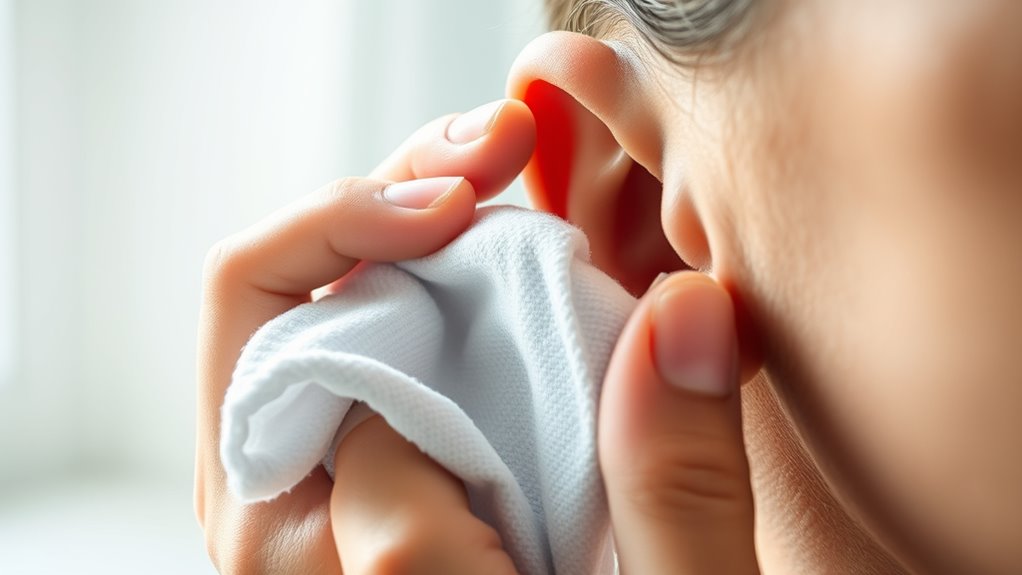
Beyond home remedies, regular ear hygiene can help prevent excessive wax buildup. Cleaning the outer ear with a damp cloth is enough for most people. Avoid over-cleaning, which can strip away protective oils and lead to irritation. If you’re prone to earwax buildup, consider scheduling routine check-ups with a healthcare provider. They can perform safe earwax removal procedures, such as irrigation or manual extraction, if needed.
Additionally, understanding the importance of the contrast ratio in devices like home theatre projectors can help improve your overall viewing experience, especially when managing visual comfort in a dark room environment.
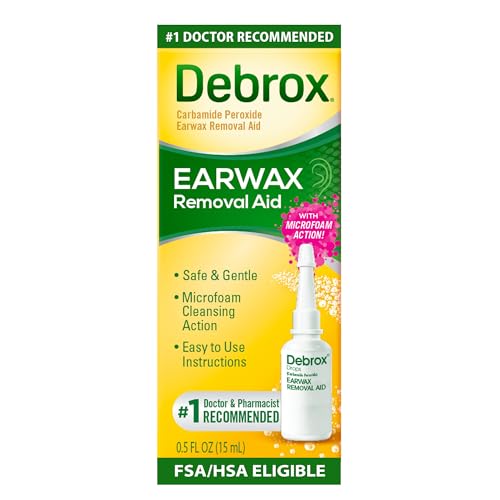
Debrox Ear Wax Removal Drops, Gentle Microfoam Ear Wax Remover with Carbamide Peroxide, 0.5 Fl Oz
Debrox Ear Wax Removal Drops use microfoaming action to gently soften and loosen excess ear wax, allowing it…
As an affiliate, we earn on qualifying purchases.
As an affiliate, we earn on qualifying purchases.
Frequently Asked Questions
When Should I See a Doctor for Earwax Removal?
You should see a doctor for earwax removal if the wax impact causes pain, hearing loss, dizziness, or persistent discomfort. Avoid home wax removal techniques if you’re experiencing symptoms or have a history of ear problems. A healthcare professional can safely remove excess wax using specialized tools, preventing injury. Don’t delay seeking care if self-care methods don’t work or worsen your symptoms, as proper removal is essential for ear health.
Can Earwax Buildup Cause Hearing Loss?
A gentle hint: earwax buildup can sometimes nudge your hearing into a quieter zone. When excess wax accumulates, it can block sound waves, leading to temporary hearing loss. If you notice your hearing feels muffled or less clear, it’s often due to this buildup. Don’t ignore these signs—consult a healthcare professional to safely clear the wax and restore your hearing clarity.
Are Home Remedies Safe for Removing Earwax?
Home remedies can seem tempting, but DIY remedies and natural methods for removing earwax aren’t always safe. You might accidentally push wax further in or damage your ear drum. Instead, it’s best to consult a healthcare professional for safe removal. If you choose natural methods, use gentle techniques like warm saline drops, but avoid cotton swabs or sharp objects. Prioritize safety to prevent injury or impaction.
How Often Should I Clean My Ears?
You probably don’t need to clean your ears every week; in fact, ear hygiene practices usually mean letting your ears do their job. Earwax removal should be done only when you notice a buildup or discomfort. Over-cleaning can cause problems, so aim for once a month or less unless advised by a healthcare professional. Trust your ears—they’re pretty good at maintaining their own cleanliness!
Can Earwax Prevent Ear Infections?
Yes, earwax can help prevent ear infections by trapping dust, bacteria, and debris, thanks to its natural composition that has antimicrobial properties. Its color, ranging from yellow to dark brown, indicates its age and moisture level. When you maintain a healthy balance, earwax acts as a protective barrier. However, avoid over-cleaning, as removing too much can compromise this defense and increase infection risk.

De La Cruz Ear Wax Remover and Earwax Softener, 100% Pure Sweet Oil for ears, Gentle and Natural Ear Oil – 1 Fl OZ
Our ear wax removal drops/ear wax softener drops are made with one single ingredient to gently loosen and…
As an affiliate, we earn on qualifying purchases.
As an affiliate, we earn on qualifying purchases.
Conclusion
In summary, proper earwax management is essential for your ear health. Avoid inserting objects like cotton swabs, which can push wax deeper or cause injury. For instance, consider Sarah, who ignored her ear discomfort until a professional safely removed impacted wax. By following recommended practices, you can prevent complications and maintain clear hearing. Remember, when in doubt, consult a healthcare provider rather than risking damage yourself. Your ears deserve gentle, informed care.
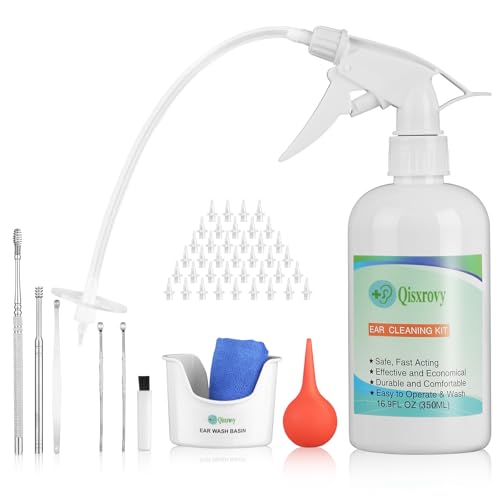
Ear Wax Removal Tool, Ear Cleaning Kits Safe Ear Irrigation Kit Ear Flush Kit for Adults Kid, Ear Wax Washer Device Easy to Operate, Includes Basin, Syringe, Curette Kit, Towel and 40 Disposable Tips
Earwax Removal System: This ear wax washer system offers a convenient ear cleaning solution for home use. Enjoy…
As an affiliate, we earn on qualifying purchases.
As an affiliate, we earn on qualifying purchases.

Medi Grade Ear Bulb Syringe 75ml (2.54 fl oz) – Quad Stream Ear Syringe for Ear Irrigation – Gentle Earwax Removal Tool – Bulb Syringe Ear Wax – with Travel Friendly Ear Cleaning Kit
Effortless Ear Wax Removal – Utilize the soft rubber ear wax remover bulb to gently dislodge and flush…
As an affiliate, we earn on qualifying purchases.
As an affiliate, we earn on qualifying purchases.