
Eustachian tube dysfunction happens when the tube connecting your middle ear to your throat gets blocked or doesn’t open properly, often caused by colds, allergies, or altitude changes. You might feel ear fullness, muffled hearing, or discomfort. To manage it, try using saline nasal sprays, swallowing or yawning, and applying warm compresses. Keeping your nasal passages clear helps, but if symptoms persist, more detailed solutions are available for you to contemplate.
Key Takeaways
- Eustachian tube dysfunction often results from nasal congestion, allergies, or altitude changes impairing ear pressure regulation.
- Symptoms include ear fullness, muffled hearing, discomfort, and sometimes pain, especially during colds or allergy flare-ups.
- Home remedies like nasal saline, warm compresses, swallowing, yawning, and humidifiers can help relieve symptoms.
- Pediatric care involves encouraging swallowing, using safe decongestants, and monitoring for persistent or worsening symptoms.
- Seek medical advice if symptoms persist, worsen, or are accompanied by pain, fever, or hearing loss for proper diagnosis and treatment.

Have you ever experienced a feeling of fullness or pressure in your ears? That’s a common sign of Eustachian Tube Dysfunction (ETD), which happens when the tube that connects your middle ear to your throat isn’t functioning properly. This tube helps equalize pressure and drain fluid from your ear. When it malfunctions, you might notice muffled hearing, discomfort, or a sensation of fullness. While ETD can affect anyone, it’s especially common during colds, allergies, or exposure to rapid altitude changes. Understanding your options for relief can make a difference, especially if you’re looking for alternatives to medication or need to take into account your child’s health.
When it comes to managing ETD, many people turn to alternative remedies. These can include nasal saline sprays or rinses to clear nasal passages, which may help improve Eustachian tube function. Applying warm compresses around your ear can promote drainage and reduce discomfort. Some find that swallowing, yawning, or performing the Valsalva maneuver gently helps to open the Eustachian tube and restore normal pressure. Humidifiers can also keep air moist, preventing nasal passages from drying out and worsening symptoms. Additionally, staying well-hydrated helps thin mucus, making it easier for the tube to drain. While these remedies are generally safe, it’s important to remember they may not work for everyone and should be used with caution.
Pediatric considerations are particularly important because children often experience ETD more frequently and may not be able to communicate their symptoms clearly. For kids, managing ETD involves gentle approaches like encouraging swallowing through sucking on a pacifier or offering fluids. Sometimes, pediatricians recommend safe, age-appropriate decongestants or nasal sprays, but these should only be used under medical supervision. If a child shows signs of persistent ear pain, hearing loss, or fever, it’s vital to seek professional advice. In some cases, pediatric ETD may require more targeted treatments or even minor procedures to ensure proper drainage and pressure equalization. Monitoring your child’s symptoms closely and avoiding exposure to irritants like cigarette smoke can also help prevent worsening of the condition.

ARM & HAMMER Simply Saline Nasal Care Daily Mist 4.5oz – Instant Relief for Every Day Congestion – One 4.5oz Bottle
4.5 oz (127 g) ARM & HAMMER Simply Saline Daily Care Nasal Mist saline nasal spray provides instant…
As an affiliate, we earn on qualifying purchases.
As an affiliate, we earn on qualifying purchases.
Frequently Asked Questions
Can Eustachian Tube Dysfunction Cause Hearing Loss?
Yes, Eustachian tube dysfunction can cause hearing impairment. When your ear pressure is affected, it can lead to a blocked or muffled sound, making it harder to hear clearly. This happens because the Eustachian tube isn’t equalizing pressure properly, which impacts your hearing. If you experience persistent issues, you should see a healthcare professional to prevent further complications and find effective treatment options.
Are Children More Prone to Eustachian Tube Dysfunction?
Ever notice how kids often get ear infections? Their pediatric anatomy and developmental factors make them more prone to Eustachian tube dysfunction. Their tubes are shorter, more horizontal, and less efficient at draining fluid, which increases the risk. As children grow, these features change, reducing the likelihood. So, yes, children are more susceptible because of their unique anatomy and ongoing development, which affect how their ears function.
How Long Does Eustachian Tube Dysfunction Typically Last?
The duration of Eustachian Tube Dysfunction varies depending on the cause and individual factors. You might experience symptoms for a few days to several weeks, especially if an infection is involved. Generally, symptom duration can be influenced by treatment and whether the underlying issue resolves quickly. If symptoms persist beyond a few weeks, it’s best to consult a healthcare provider to prevent complications and find effective relief.
Is Eustachian Tube Dysfunction Linked to Allergies?
Your Eustachian tube dysfunction is definitely linked to allergies, and it’s no small matter—it’s like a traffic jam in your ears! Allergies cause nasal congestion, which blocks the tube and disrupts pressure balance. When you have allergies, excess mucus and swelling can worsen the issue. Managing allergies and reducing nasal congestion often helps clear up Eustachian tube problems, restoring normal ear function and easing discomfort.
Can Eustachian Tube Dysfunction Be Prevented?
Yes, you can help prevent Eustachian Tube Dysfunction by making some lifestyle adjustments. Practice preventive measures like avoiding sudden altitude changes and managing allergies effectively. Staying hydrated and using nasal saline sprays can keep your Eustachian tubes clear. Also, avoid smoking and exposure to irritants. Regularly practicing these lifestyle adjustments reduces the risk of dysfunction, helping you maintain better ear health and comfort over time.

Iowa Corn Baby Mini – Microwavable Heating Pad & Reusable Cold Pack – Weighted Heating Pad for Cold Hands, Sore Neck, Achy Wrists – 4” x 8” – 1 lb (Purple Plum)
Soothing Moist Heat: Filled with whole corn, our microwavable heating pad delivers gentle, moist heat for your hands,…
As an affiliate, we earn on qualifying purchases.
As an affiliate, we earn on qualifying purchases.
Conclusion
If you’re struggling with Eustachian tube dysfunction, remember that treating it is like untangling a knot—you need patience and the right care. Clearing your ears and seeking advice from a healthcare professional can make a world of difference. Don’t let discomfort build up like storm clouds; instead, take action and restore balance. With gentle persistence, you’ll find your ears singing in harmony again, turning the silence into a soothing symphony.
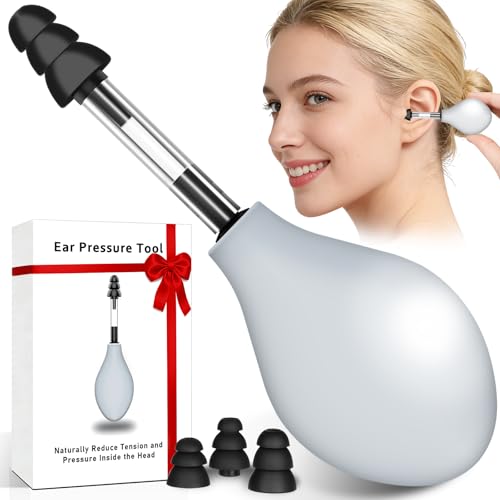
Ear Pressure Relief Suction Device, Tinnitus Relief for Ringing Ears, Portable & Effective Ear Pressure Reliever Device, Ideal for Flying, Reduces Tension with 3 Sizes of Earbuds
Effective Relief: This ear pressure relief device uses pinpoint micro-air pressure to gently stimulate inner ear nerves, delivering…
As an affiliate, we earn on qualifying purchases.
As an affiliate, we earn on qualifying purchases.

Boogie Micro-Mist Saline Inhaler, Baby Nose Congestion Relief, Nasal Spray for Kids, Pediatrician Recommended, 1.7oz Unscented – Pack of 1
FIRST OF ITS KIND, DESIGNED TO HELP RELIEVE CONGESTION AND DISCOMFORT: The Boogie Micro-Mist Saline Inhaler’s continuous gentle…
As an affiliate, we earn on qualifying purchases.
As an affiliate, we earn on qualifying purchases.