
TL;DR

Get everyday helpers delivered free with Prime
- Fast, free delivery on millions of items
- Prime Video, Amazon Music and more included
- Member-only deals all year
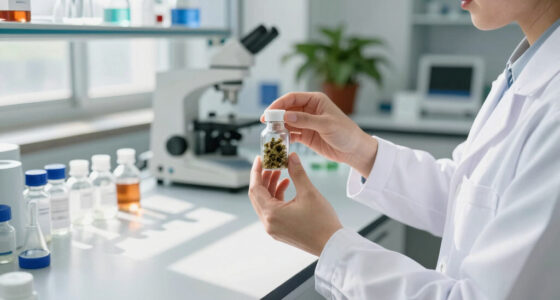
Gavi has approved a $180 million investment to support vaccine manufacturing in Africa. This funding aims to enhance local production and strengthen health resilience. The move is a significant step toward reducing reliance on imports.
Gavi, the Vaccine Alliance, has approved a $180 million fund to support the development of vaccine manufacturing facilities across Africa. This investment aims to bolster local production capabilities, reducing dependency on imported vaccines and strengthening health systems on the continent. The decision was announced on March 15, 2024, and represents a significant step toward increasing vaccine self-sufficiency in Africa.
The approved fund will be allocated over the next several years to support infrastructure development, technology transfer, and capacity building for vaccine production in multiple African countries, including South Africa, Senegal, and Nigeria. Gavi officials stated that the investment is part of its broader strategy to improve vaccine access and resilience in low- and middle-income countries, especially in light of recent global health emergencies.
According to Gavi, the funding will support both the establishment of new manufacturing plants and the expansion of existing facilities, with the goal of producing vaccines for diseases such as COVID-19, measles, and yellow fever. This initiative aligns with broader efforts by international organizations and governments to create sustainable, localized vaccine supply chains.
Officials from Gavi emphasized that the investment could lead to increased vaccine availability, reduced costs, and faster response times during health crises. The funding also aims to foster technological innovation and workforce development within African pharmaceutical sectors.
Impact of Funding on Africa’s Vaccine Self-Sufficiency
This $180 million investment is a major step toward increasing vaccine self-reliance in Africa, potentially transforming the continent’s ability to respond to health emergencies. By developing local manufacturing capacity, African countries could reduce reliance on imports, lower vaccine costs, and improve access for vulnerable populations. Experts say this move could also stimulate economic growth within the pharmaceutical sector and create jobs, while strengthening health security against future pandemics.
As an affiliate, we earn on qualifying purchases.
Background on Africa’s Vaccine Manufacturing Challenges
Historically, Africa has faced significant barriers to vaccine self-sufficiency, including limited local manufacturing infrastructure, technology gaps, and dependency on imports from Europe, Asia, and North America. The COVID-19 pandemic highlighted these vulnerabilities, with many African nations experiencing delays and shortages of vaccines during critical periods. Previous efforts to establish regional manufacturing hubs have faced obstacles such as funding shortages, regulatory hurdles, and lack of technical expertise.
Gavi’s recent funding announcement builds on ongoing initiatives aimed at strengthening vaccine production capacity across the continent, aligning with global health strategies to ensure equitable vaccine access. It follows commitments by international donors and African governments to prioritize health infrastructure development.
“This investment marks a transformative step towards vaccine self-sufficiency for Africa, enabling countries to produce their own vaccines and respond more effectively to health crises.”
— Dr. Seth Berkley, Gavi CEO
Details on Implementation and Timeline Still Emerging
While the funding has been approved, specific details about the timeline for establishing manufacturing facilities, the scale of production, and the selection of partner countries are still being finalized. It is also unclear how quickly the infrastructure projects will be operational and how the funds will be allocated among participating nations. Further updates are expected as Gavi and partner governments outline implementation plans.
Next Steps in Funding Deployment and Facility Development
Gavi plans to work with African governments, local partners, and international organizations to develop detailed implementation strategies over the coming months. The initial focus will be on selecting sites, securing regulatory approvals, and initiating construction of manufacturing plants. Progress updates and milestones are expected to be announced throughout 2024 and 2025, with some facilities potentially becoming operational within two years.
Key Questions
Which countries will benefit from the funding?
The funding aims to support vaccine manufacturing in several African countries, including South Africa, Senegal, Nigeria, and others yet to be announced.
What types of vaccines will be produced locally?
The initial focus will be on COVID-19 vaccines, along with other essential vaccines such as measles and yellow fever, depending on country needs and capacity.
How will this funding impact vaccine prices in Africa?
By increasing local production, the initiative aims to reduce costs associated with importation and distribution, potentially lowering vaccine prices for governments and consumers.
When will the new manufacturing facilities be operational?
While specific timelines are still being finalized, some facilities could begin production within the next two years, contingent on infrastructure development and regulatory processes.
Is this funding part of a broader global effort?
Yes, this initiative aligns with global strategies to improve health security, including efforts by WHO, Gavi, and other partners to promote vaccine equity and local manufacturing capacity.
Source: google-trends
Halloween Picks
halloween
As an affiliate, we earn on qualifying purchases.