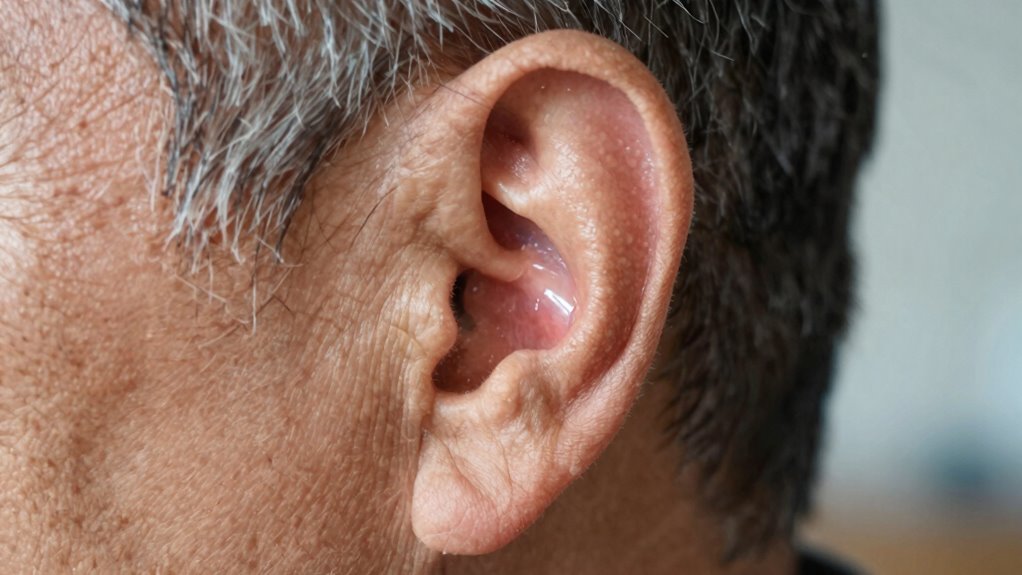

If you experience sudden or worsening hearing loss along with symptoms like dizziness, vertigo, facial weakness, or balance problems, it could point to more serious health issues like Meniere’s disease or neurological conditions. Hearing loss linked to systemic issues like high blood pressure or autoimmune diseases also needs medical attention. Recognizing these signs early can be vital for preventing lasting damage. Keep exploring to better understand when your hearing issues might signal a larger health concern.

Get everyday helpers delivered free with Prime
- Fast, free delivery on millions of items
- Prime Video, Amazon Music and more included
- Member-only deals all year
Key Takeaways
- Hearing loss accompanied by dizziness or facial weakness may indicate neurological or systemic health issues.
- Sudden or rapid hearing decline can signal serious conditions like stroke or tumors.
- Hearing loss with vertigo or balance problems suggests inner ear or vestibular system disorders.
- Persistent hearing difficulties with other symptoms, such as high blood pressure, may point to cardiovascular issues.
- Hearing changes linked to systemic symptoms require prompt medical evaluation to identify underlying health problems.
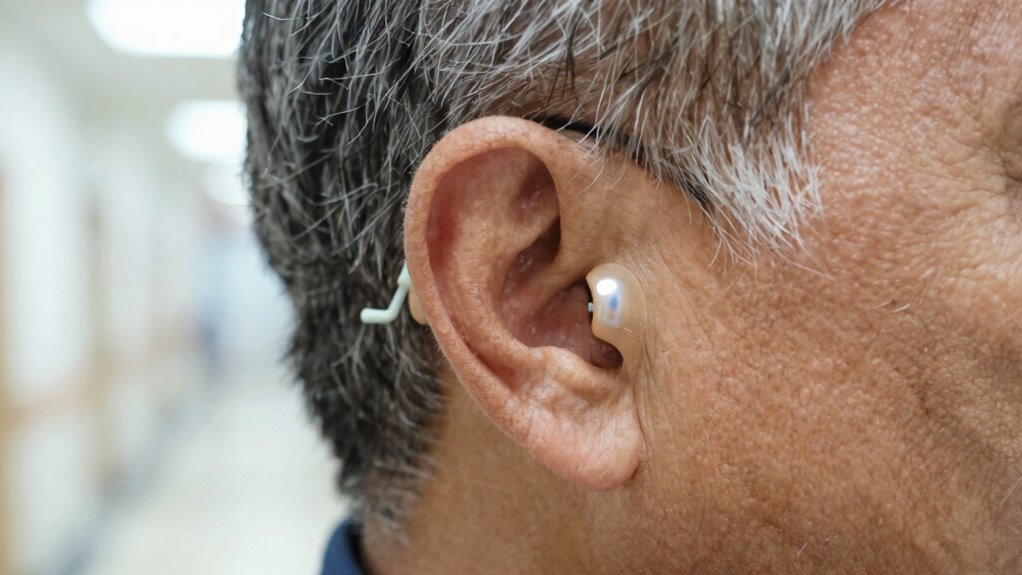
Hearing loss isn’t always just a sign of aging or ear problems; sometimes, it signals a deeper medical issue. When your hearing starts to decline unexpectedly or feels different than usual, it’s important to consider what might be causing it beyond typical age-related changes. One common factor is tinnitus, a condition characterized by ringing, buzzing, or hissing sounds in the ears, which can sometimes accompany hearing loss. Tinnitus causes vary widely, including exposure to loud noises, ear infections, or underlying health issues like high blood pressure or neurological conditions. If you’re experiencing persistent tinnitus along with hearing difficulties, it’s a sign you should seek medical advice to identify the root cause.
Another aspect to consider is ear infection symptoms, which can sometimes lead to sudden or gradual hearing loss. Ear infections, especially middle ear infections (otitis media), cause swelling, fluid buildup, and inflammation that block sound transmission. You might notice a feeling of fullness or pressure in your ear, pain, or even drainage, alongside hearing problems. If these symptoms are present, it’s crucial to address the infection promptly, as untreated ear infections can cause lasting damage to the ear structures, leading to more significant hearing issues. Sometimes, an ear infection can cause temporary hearing loss, but if it persists or worsens, it could result in more permanent damage or signal other underlying health concerns. Recognizing ear infection symptoms early can help prevent complications and preserve your hearing. Additionally, understanding the connection between ear infections and ear health can better prepare you to seek appropriate treatment.
Ear infections can cause temporary or permanent hearing loss if not treated promptly.
Your body’s health plays a pivotal role in your hearing health, and symptoms like dizziness, vertigo, or facial weakness could point to more serious medical conditions affecting your ears or nerves. For example, conditions such as Meniere’s disease or vestibular disorders may cause both hearing loss and balance problems. If you notice any change in your hearing accompanied by other neurological symptoms, it’s essential to get evaluated quickly. Hearing loss can sometimes be a warning sign of systemic issues like cardiovascular problems or autoimmune diseases, which affect blood flow or immune responses impacting your ear health. Additionally, systemic health issues can directly influence ear function and should not be overlooked. These systemic factors may also contribute to neurological conditions, further complicating diagnosis and treatment. Being aware of these potential links can facilitate earlier diagnosis and treatment. Recognizing the signs early can make a significant difference in preventing long-term damage and managing underlying health concerns effectively.
As an affiliate, we earn on qualifying purchases.
Frequently Asked Questions
Can Hearing Loss Be Caused by Medication Side Effects?
Yes, medication effects can cause hearing impairment. Certain drugs, like antibiotics, chemotherapy agents, and high doses of aspirin, are known to impact your hearing. If you notice sudden or gradual hearing loss after starting a medication, it’s important to consult your healthcare provider. They can determine if the medication is contributing to your hearing issues and may adjust your treatment plan to prevent further damage.
How Is Hearing Loss Related to Cardiovascular Health?
Hearing loss often acts like a warning sign, revealing more than just ear issues. Age-related decline and blood flow impairment in your cardiovascular system can reduce the oxygen and nutrients reaching your inner ear, leading to hearing difficulties. When blood flow is compromised, it’s like a traffic jam in your vessels, affecting your hearing. Maintaining good cardiovascular health helps keep the pathways open, preserving both your heart and hearing.
Are There Specific Symptoms That Indicate a Neurological Problem?
If you notice issues with auditory processing, like difficulty understanding speech or distinguishing sounds, it could signal a neurological problem. Also, persistent ear infections might cause neurological symptoms such as dizziness or balance issues. Keep an eye out for these signs, and if they occur, consult a healthcare professional promptly. Early diagnosis can help determine if underlying neurological issues are affecting your hearing and make sure you get appropriate treatment.
Can Hearing Loss Be a Sign of a Thyroid Disorder?
Yes, hearing loss can be a sign of a thyroid disorder, especially if you’re experiencing other thyroid symptoms like fatigue, weight changes, or mood swings. Hormonal imbalances from the thyroid can affect your auditory nerves, making you wonder if your ears are playing tricks. So, if your hearing suddenly acts up alongside these symptoms, it’s time to get checked—your thyroid might be throwing a hormonal tantrum.
How Long Should I Wait Before Consulting a Doctor for Hearing Loss?
You should see a doctor as soon as you notice hearing loss, especially if it’s sudden or worsens quickly. Don’t wait too long, as early treatment can make a difference. While waiting, consider using a hearing aid if recommended, but avoid self-diagnosing. Ear infections can cause temporary hearing issues, so consulting a healthcare professional promptly helps determine whether your hearing loss is due to an infection or needs further testing.
Conclusion
If you experience sudden or unexplained hearing loss, it’s essential to see a healthcare professional promptly. Sometimes, hearing issues can signal underlying health problems like infections or neurological conditions. Did you know that approximately 15% of adults with sudden hearing loss also have underlying medical conditions? Paying attention to these signs and seeking timely care can make a significant difference in your overall health and hearing recovery. Don’t ignore these warning signs—your health depends on it.
Halloween Picks
halloween
As an affiliate, we earn on qualifying purchases.