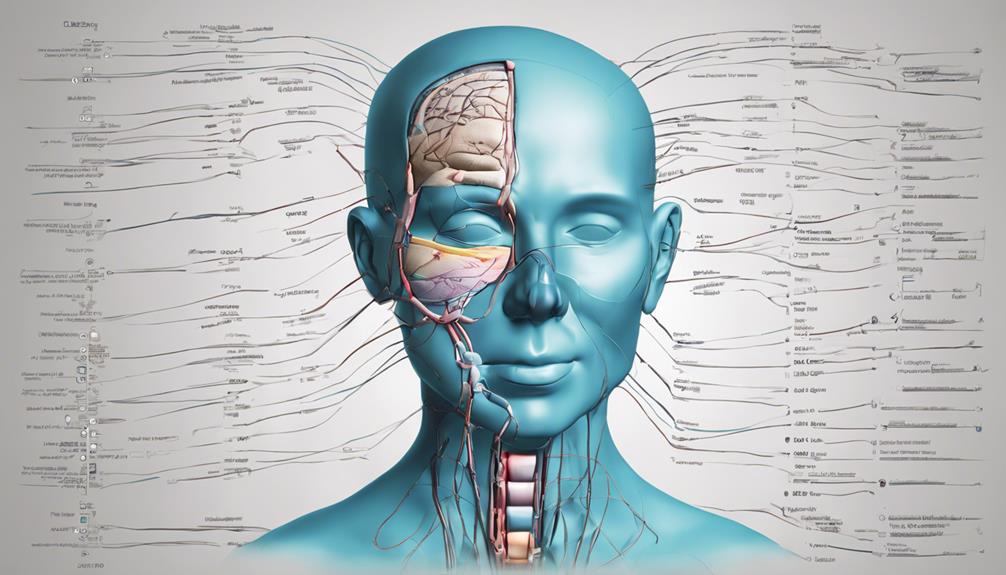

Emerging research shows that blood biomarkers can help you detect hearing loss early by revealing underlying issues before symptoms show. Genetic markers like GJB2 mutations and oxidative stress indicators like MDA or 8-OHdG provide insights into your risk, enabling personalized prevention or treatment plans. By combining these biomarkers, healthcare providers can better assess your hearing health and intervene sooner. Staying informed about these advances could help you take proactive steps to protect your hearing.
Key Takeaways
- Emerging research identifies genetic mutations like GJB2 as blood-based biomarkers for early hearing loss detection.
- Oxidative stress markers such as MDA and 8-OHdG are being studied to predict susceptibility to auditory damage.
- Combining genetic and oxidative biomarkers enhances risk assessment and personalized intervention strategies.
- Advances in automation improve the accuracy and accessibility of blood tests for hearing health screening.
- Biomarker research aims to enable earlier diagnosis, monitor treatment efficacy, and facilitate proactive hearing loss management.

Hearing loss is a intricate condition that affects millions worldwide, and identifying it early can considerably improve outcomes. Researchers are now exploring blood biomarkers as a promising way to detect and understand hearing loss better. Among the most studied indicators are genetic predisposition markers and oxidative stress markers. These biological signals can reveal underlying vulnerability or ongoing damage to the auditory system, potentially allowing for earlier intervention.
Genetic predisposition plays a significant role in many cases of hearing loss. Certain gene variations increase the risk of developing sensorineural hearing loss, especially when combined with environmental factors. Blood tests can identify these genetic markers, providing insight into whether someone is genetically susceptible. For instance, mutations in genes like GJB2 are well-known contributors to hereditary hearing loss. By detecting such mutations through blood analysis, clinicians can predict the likelihood of hearing impairment before symptoms become apparent. This proactive approach can lead to earlier diagnosis and tailored treatment plans, ultimately improving outcomes.
Blood tests for GJB2 mutations help predict hereditary hearing loss early and personalize treatment strategies.
Oxidative stress markers are another focus of current research. Oxidative stress occurs when there’s an imbalance between free radicals and antioxidants in the body, leading to cellular damage. In the context of hearing loss, oxidative stress can damage the delicate hair cells within the cochlea, which are essential for converting sound waves into nerve signals. Elevated levels of oxidative stress markers in the blood, such as malondialdehyde (MDA) or 8-hydroxy-2′-deoxyguanosine (8-OHdG), indicate ongoing oxidative damage. Monitoring these markers can help identify individuals at risk of developing hearing impairment or track the progression of existing loss. This information might also guide antioxidant therapies aimed at reducing oxidative stress and protecting auditory structures.
As research advances, combining genetic predisposition profiles with oxidative stress marker analysis could offer a thorough picture of a person’s hearing health. Blood biomarkers are less invasive than traditional auditory tests and could be integrated into routine health screenings, especially for populations at higher risk. Additionally, advances in automation in data analysis and testing techniques could improve the accuracy and accessibility of these biomarker assessments. While the science is still evolving, the potential to detect hearing loss early, even before symptoms emerge, is promising. These biomarkers could also help evaluate the effectiveness of preventative strategies or treatments, making management more personalized and timely. Overall, blood biomarkers like genetic predisposition and oxidative stress markers are paving the way for more precise, early detection tools that could transform how we approach hearing health.
As an affiliate, we earn on qualifying purchases.
Frequently Asked Questions
Can Blood Biomarkers Detect Early-Stage Hearing Loss?
You might wonder if blood biomarkers can detect early-stage hearing loss. Currently, research suggests that genetic markers and environmental indicators in the blood could reveal early signs before symptoms appear. By analyzing these biomarkers, you could potentially identify hearing loss at a stage when interventions are more effective. While promising, this approach is still emerging, and more studies are needed to confirm its accuracy and reliability for early detection.
Are Blood Tests for Hearing Loss Widely Available Clinically?
Imagine searching for a lighthouse in fog—right now, blood tests for hearing loss are like that lighthouse, limited and not fully reliable. You won’t find widespread availability yet because of blood test limitations and clinical adoption challenges. Researchers are working hard, but these tests haven’t become standard practice in clinics. So, while promising, blood tests for hearing loss aren’t commonly accessible to you at this moment.
Do Blood Biomarkers Differentiate Types of Hearing Loss?
You might wonder if blood biomarkers can tell different types of hearing loss apart. Currently, research suggests that genetic markers and inflammation indicators could help differentiate sensorineural from conductive hearing loss. These biomarkers reflect underlying causes, like genetic predispositions or inflammatory processes. While promising, this approach isn’t yet widely available clinically. Still, ongoing studies aim to improve diagnostic accuracy and personalized treatment options using these blood-based indicators.
How Reliable Are Blood Biomarkers Compared to Audiograms?
You might wonder how reliable blood analysis is compared to audiograms for diagnosing hearing loss. While blood biomarkers show promise in identifying certain types of hearing issues, audiograms remain the gold standard for precise hearing assessment. Blood analysis can provide insights into underlying causes, but it doesn’t replace the detailed functional information audiograms offer. For now, combining both methods can give a more extensive understanding of your hearing health.
Can Blood Biomarkers Predict Hearing Loss Progression?
You might wonder if blood biomarkers can forecast hearing loss progression. While audiograms track current hearing ability, blood tests like genetic markers and inflammation indicators could reveal risks before symptoms appear. These biomarkers offer a promising glimpse into future hearing health, potentially enabling earlier interventions. Although still emerging, ongoing research suggests that combining genetic and inflammation data could improve predictions, helping you stay ahead of hearing loss’s progression.
Conclusion
As you explore these emerging blood biomarkers, think of them as guiding stars in the vast night sky of hearing loss research. They hold the promise of early detection and personalized treatment, illuminating a path toward better hearing health. By keeping an eye on these advancements, you become part of a breakthrough journey—turning the tide against hearing loss before it silences the symphony of life. The future of auditory health is bright, waiting for you to be a part of it.