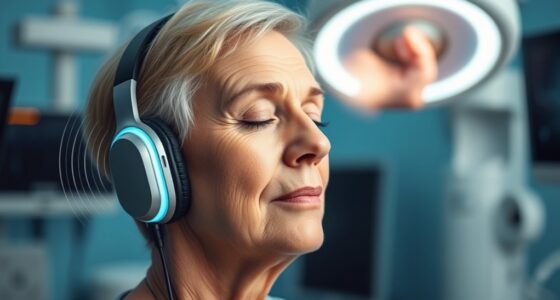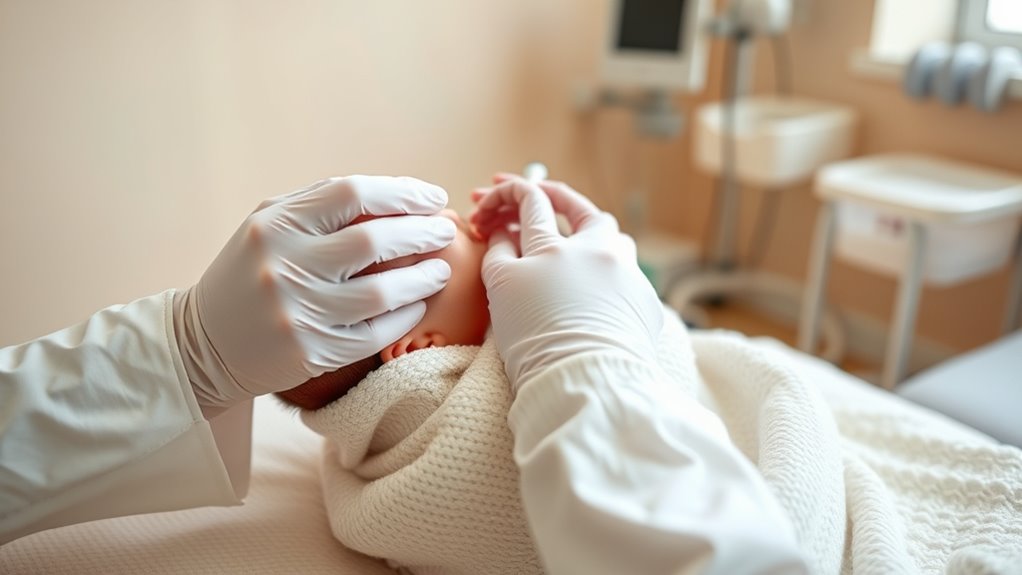

Newborn and pediatric hearing screening is vital because it helps detect hearing issues early, ensuring your child’s normal development of speech, language, and social skills. These quick, non-invasive tests are safe and can be done while your baby is calm or asleep. Advances in hearing aid technology make devices more comfortable and effective. Early intervention programs connect you with specialists to support your child’s growth. Keep exploring to discover how you can best support your child’s hearing health.
Key Takeaways
- Early hearing screening is vital for detecting issues before developmental signs appear.
- Non-invasive, quick tests are performed while the baby is calm or asleep.
- Advances in hearing aid technology improve comfort, sound clarity, and customization.
- Early intervention connects families with specialists to support speech and cognitive growth.
- Prompt support ensures children reach developmental milestones and enhances long-term communication skills.

Have you ever wondered how early hearing loss is detected in newborns and children? It’s a critical question because early detection can make a significant difference in a child’s development. Fortunately, hearing screening programs are designed to catch hearing issues as soon as possible, often before a child even shows signs of trouble. During these screenings, simple and non-invasive tests are performed to assess how well a baby’s ears are functioning. These tests are quick, painless, and can be done while the baby is asleep or calm, making the process stress-free for both parent and child. Advances in hearing aid technology have made devices more effective and comfortable for children with hearing loss. Modern hearing aids are customized to fit each child’s unique needs, with features like digital sound processing and wireless connectivity that improve sound clarity. When a screening indicates a potential hearing impairment, specialists can fit a child with an appropriate hearing aid promptly. These devices are essential because they help a child develop speech, language, and social skills during their critical early years. The earlier a hearing aid is fitted, the better the chances of normal development, which is why early intervention programs are so indispensable. Early intervention programs work hand-in-hand with hearing screenings to guarantee children receive the support they need as soon as possible. Once a hearing loss is identified, these programs connect families with audiologists, speech therapists, and other specialists who develop tailored plans for the child’s needs. The goal is to provide extensive support that promotes healthy speech and language development, cognitive skills, and social integration. These programs often include ongoing monitoring, counseling, and training for parents to help them support their child’s progress effectively.
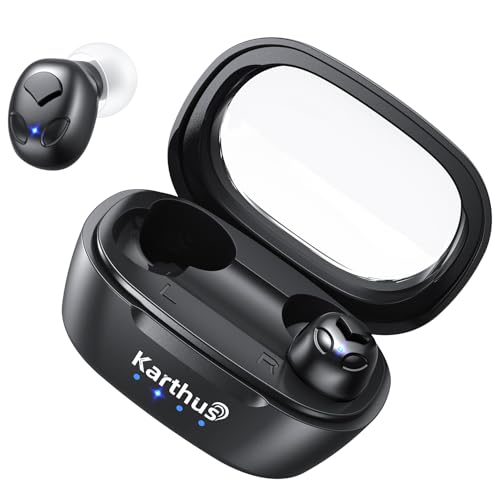
Karthus OTC Hearing Aids for Seniors & Adults, Rechargeable Hearing Aids with Noise Cancelling & Clear Sound, 16-Channel Digital DSP & 2 Environment Modes, 80+ Hour Battery Life, Comfort-Fit, Black
✨ HEAR LIFE CRYSTAL-CLEAR: True 117dB power meets 40dB gain—TV & conversations sound sharp, balanced & natural from…
As an affiliate, we earn on qualifying purchases.
As an affiliate, we earn on qualifying purchases.
Frequently Asked Questions
How Early Can Hearing Loss Be Detected in Newborns?
You can detect hearing loss in newborns as early as a few days after birth through screening methods like otoacoustic emissions (OAEs) and auditory brainstem response (ABR). These tests provide early detection, which is vital for timely intervention. By scheduling these screenings soon after birth, you guarantee that any hearing issues are identified early, giving your child the best chance for healthy language development and communication skills.
Are There Any Risks Associated With Hearing Screening Tests?
Are there risks with hearing screening tests? Usually not, but you might worry about false positives leading to unnecessary stress or testing discomfort for your child. While the tests are safe, false positives can cause anxiety, and some children may find the process slightly uncomfortable. However, the benefits of early detection far outweigh these minor concerns, helping ensure your child’s healthy development and access to necessary support if needed.
What Follow-Up Steps Are Needed if Screening Results Are Abnormal?
If screening results are abnormal, you should schedule follow-up diagnostics promptly to confirm any hearing loss. During this process, parental counseling is essential to explain the findings, discuss potential interventions, and address any concerns. You’ll work closely with healthcare professionals to develop a plan tailored to your child’s needs, ensuring early intervention. Taking these steps helps maximize your child’s developmental and communication potential.
Can Hearing Loss Develop After the Newborn Screening?
Hearing loss can develop after newborn screening, like a shadow growing in the dusk. You might think you’re in the clear, but hearing loss progression can occur silently, leading to delayed diagnosis. Regular hearing checks are essential, especially if your child shows signs of hearing difficulty later on. Early detection matters, so stay vigilant and consult a specialist if you notice any signs of hearing issues, even if initial screenings were normal.
How Do Screenings Differ for Children With Special Healthcare Needs?
You should know that screenings for children with special healthcare needs often involve individualized assessments and specialized protocols to guarantee accurate results. Unlike standard screenings, these assessments account for the child’s unique conditions, making the process more thorough. You may notice additional tests or adjustments tailored to their specific requirements, helping detect any hearing issues early. This personalized approach ensures every child’s hearing health gets the attention it needs for proper development.

Alpine Muffy Baby Ear Protection for Babies and Toddlers up to 36 Months – CE & ANSI Certified – Noise Reduction Earmuffs – Comfortable Baby Headphones Against Hearing Damage & Improves Sleep – Black
PROTECT YOUR BABY FROM NOISE | Loud sounds can be quite harmful for babies, and every 8th child…
As an affiliate, we earn on qualifying purchases.
As an affiliate, we earn on qualifying purchases.
Conclusion
By understanding the importance of newborn and pediatric hearing screening, you can catch issues early and give children a strong start. Remember, prevention is better than cure, so stay vigilant and advocate for regular screenings. Early detection can make all the difference in a child’s development and quality of life. Don’t wait for problems to arise — being proactive now can save you time, trouble, and a world of difference down the road.

Audien Atom One OTC Hearing Aids – Wireless, Rechargeable, and Comfortable | Clear Sound in a Small, Discreet Design for Seniors & Adults with Hearing Loss
Hear What Matters Most: Hearing isn’t one-size-fits-all. That’s why our adjustable frequency system lets you personalize your sound…
As an affiliate, we earn on qualifying purchases.
As an affiliate, we earn on qualifying purchases.

The Essentials: Supporting Young Children with Disabilities in the Classroom (The Essentials Series)
As an affiliate, we earn on qualifying purchases.
As an affiliate, we earn on qualifying purchases.