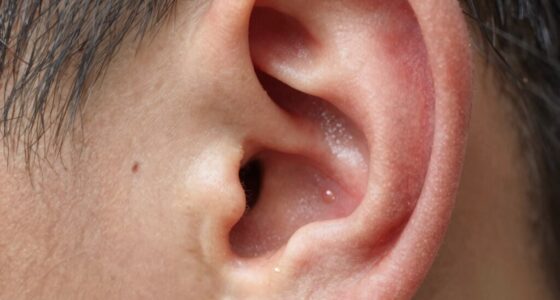

If you experience persistent ringing in one ear, it’s important to seek medical evaluation promptly. This could signal underlying issues like inner ear damage, infections, earwax buildup, or more serious problems such as tumors. Additional symptoms like dizziness, hearing loss, or fullness should not be ignored. Early assessment can help identify the cause and prevent further damage. Keep exploring to understand when your symptoms need urgent attention and how to protect your hearing health.

Get everyday helpers delivered free with Prime
- Fast, free delivery on millions of items
- Prime Video, Amazon Music and more included
- Member-only deals all year
Key Takeaways
- Persistent unilateral tinnitus warrants medical evaluation, especially if it lasts longer than a few days or worsens over time.
- Accompanying symptoms like dizziness, hearing loss, or ear fullness indicate the need for further assessment.
- Sudden or severe ringing, particularly if linked to trauma or head injury, requires immediate medical attention.
- Tinnitus associated with unexplained ear pain, facial weakness, or neurological signs should be evaluated promptly.
- When tinnitus persists despite protective measures, or if it significantly impacts daily life, seek professional diagnosis and treatment.
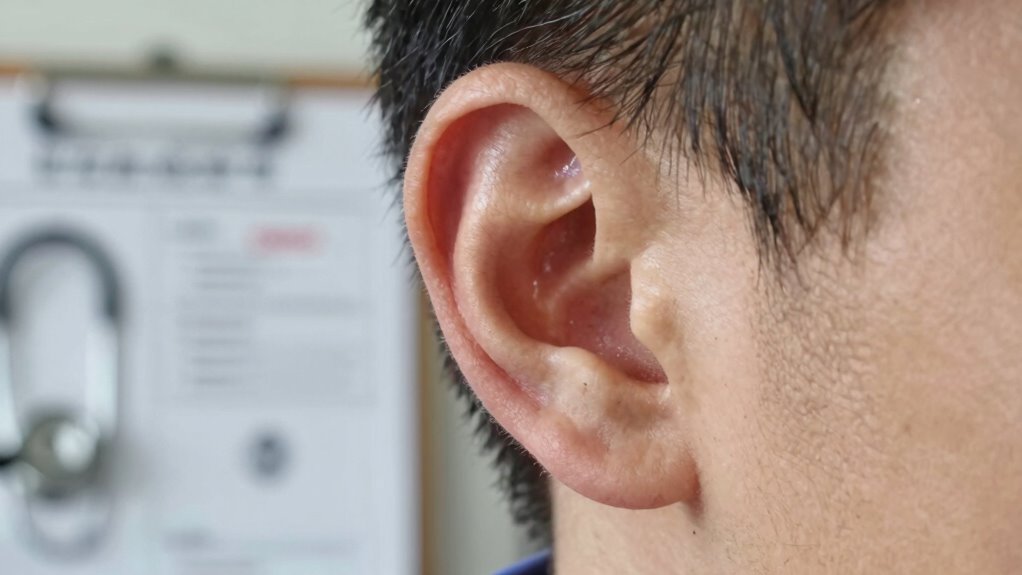
Ringing in one ear, known as tinnitus, can be a common annoyance, but it’s important to pay attention if it persists or worsens. When this ringing occurs in just one ear, it might signal underlying issues beyond simple noise exposure. The inner ear plays a vital role in hearing and balance, and problems here can lead to unusual sensations like tinnitus. If you’ve been exposed to loud noises regularly—whether from concerts, machinery, or headphones—your inner ear could be damaged, leading to one-sided ringing. Noise exposure can cause temporary or permanent harm to the delicate hair cells inside the inner ear, which are responsible for converting sound vibrations into nerve signals. When these cells get injured, they can send faulty signals to your brain, resulting in tinnitus. Recognizing early signs of inner ear damage can help prevent further complications. Additionally, understanding the role of noise-induced hearing loss can help you take proactive steps to safeguard your hearing in the future.
Persistent ringing in one ear warrants careful evaluation, especially if you notice it alongside other symptoms like dizziness, loss of hearing, or a feeling of fullness in the affected ear. Noise exposure isn’t the only cause; inner ear infections, earwax buildup, or even a tumor on the auditory nerve can produce similar symptoms. Consequently, a thorough medical assessment is essential to determine the root cause. Your healthcare provider might perform hearing tests or imaging studies to analyze your inner ear and auditory pathways. If noise exposure is identified as the culprit, protecting your ears from further damage becomes a priority. Using earplugs in loud environments, reducing volume levels on devices, and taking breaks from noisy settings can help prevent worsening symptoms. Additionally, understanding the impact of environmental noise can help you make informed decisions about your hearing health and reduce the risk of damage.
Persistent unilateral tinnitus needs medical assessment; underlying causes include ear infections, tumors, or earwax buildup.
In some cases, tinnitus in one ear may be a symptom of more serious conditions, such as Meniere’s disease or vestibular schwannoma. These conditions affect the inner ear and auditory nerves and require targeted treatment. Ignoring persistent tinnitus can lead to further hearing loss or balance issues, so don’t dismiss ongoing symptoms. Early evaluation and intervention can improve your chances of managing the problem effectively. You might be advised to undergo specific therapies, lifestyle modifications, or medication to reduce the impact of tinnitus and protect your inner ear health. Additionally, understanding the causes of inner ear damage can help you recognize risk factors and take preventive measures.
Ultimately, if you experience ringing in one ear that lasts more than a few days, worsens, or is accompanied by other symptoms, seek medical attention promptly. Your inner ear is delicate, and noise exposure can cause lasting damage if not addressed. Proper diagnosis and care can help you understand the cause and take steps to protect your hearing and overall well-being.
As an affiliate, we earn on qualifying purchases.
Frequently Asked Questions
Can Stress Cause Ringing in One Ear?
Yes, stress can cause ringing in one ear. Stress-related hearing issues, including anxiety-induced tinnitus, often trigger or worsen ringing sensations. When you’re anxious or overwhelmed, it can increase tension in your body, affecting your inner ear and auditory pathways. This can lead to temporary or persistent ringing. Managing stress through relaxation techniques might help reduce such symptoms, but if the ringing persists, consult a healthcare professional for proper evaluation.
Is Temporary Tinnitus Always Harmless?
Temporary tinnitus isn’t always harmless; it can signal underlying issues with your auditory processing or ear anatomy. While often caused by noise exposure or stress, persistent or recurring ringing warrants attention. You should see a healthcare professional if the tinnitus worsens or lasts longer than a few hours. Addressing potential causes early helps prevent possible damage to your auditory system and preserves your hearing health.
How Long Should Ringing Last Before Seeing a Doctor?
If ringing in your ear persists beyond a day or two, you should see a doctor immediately. Lingering tinnitus could signal inner ear issues or cochlear damage that requires urgent attention. Don’t ignore a prolonged sound that refuses to fade; it might be a warning sign of something more serious. Early evaluation guarantees you catch potential problems before they worsen, protecting your hearing health and preventing permanent damage.
Are There Home Remedies for Persistent Ear Ringing?
Yes, you can try natural remedies and lifestyle adjustments to manage persistent ear ringing. Reducing caffeine and salt intake may help, along with practicing stress-relief techniques like meditation or deep breathing. Some find that using white noise machines or ear masks provides relief. However, if symptoms persist, it is crucial to see a healthcare professional for proper evaluation. These remedies might ease symptoms but aren’t substitutes for medical advice if ringing continues.
Can Ear Infections Cause Ringing in One Ear?
Yes, an ear infection can cause ringing in one ear. It often impacts the inner ear, leading to symptoms like ear pressure and tinnitus. While ringing might seem minor, it’s important to recognize that untreated infections can worsen or cause complications. Trust your body—if you notice persistent ringing, especially with ear pain or pressure, see a healthcare professional promptly to prevent further issues.
Conclusion
If that ringing in one ear persists, don’t brush it off as a minor annoyance. It could be your body screaming for help, warning you of something far more serious lurking beneath the surface. Ignoring it might just be risking your health, your sanity, or even your life. Trust your instincts—get it checked out immediately. Because when your ears ring, it’s not just noise; it’s your body begging you to listen before it’s too late.
Fall Picks
fall essentials
As an affiliate, we earn on qualifying purchases.