
TL;DR

Get everyday helpers delivered free with Prime
- Fast, free delivery on millions of items
- Prime Video, Amazon Music and more included
- Member-only deals all year
Osteopenia, a condition causing gradual bone loss, affects millions globally without obvious symptoms. Medical professionals emphasize early diagnosis to prevent fractures and long-term health issues.
Recent research indicates that osteopenia is silently weakening bones in millions of people worldwide, often without symptoms, increasing the risk of fractures later in life. Experts warn that early detection is vital to prevent serious health consequences.
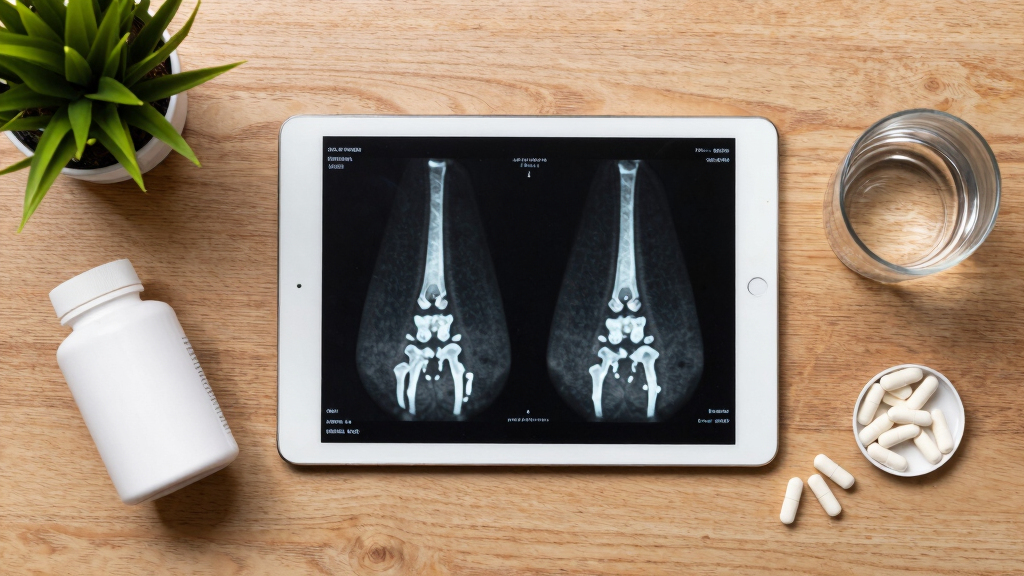
Osteopenia is a condition characterized by lower-than-normal bone density, which can progress to osteoporosis if untreated. According to the World Health Organization, an estimated 44 million Americans have low bone density, with many unaware of their condition. Medical professionals note that osteopenia typically develops gradually and is often asymptomatic, making it difficult to diagnose without screening. Bone density tests, such as DEXA scans, are the primary method for detection. Researchers emphasize that lifestyle factors like poor nutrition, lack of exercise, and smoking can contribute to bone loss. Despite its prevalence, awareness remains limited, and many cases go undiagnosed until a fracture occurs, often in the hip, spine, or wrist.
Implications of Widespread Undetected Bone Loss
This matters because undiagnosed osteopenia increases the risk of fractures, which can lead to significant disability, reduced quality of life, and increased healthcare costs. Early detection and intervention can help slow or halt bone loss, preventing severe complications. Public health initiatives focusing on screening and lifestyle modifications are essential to address this silent epidemic among aging populations and at-risk groups.
As an affiliate, we earn on qualifying purchases.
Growing Recognition of Silent Bone Disease
Osteopenia has historically received less attention than osteoporosis, despite its role as a precursor to more severe bone loss. Recent studies highlight that many individuals with osteopenia are unaware of their condition due to the lack of symptoms. The condition is diagnosed through bone density scans, which are not routinely performed unless risk factors or symptoms are present. The increase in aging populations worldwide and lifestyle factors such as poor diet and physical inactivity have contributed to the rising prevalence of osteopenia. Medical guidelines now emphasize early screening for at-risk groups, but implementation varies globally. The condition’s silent nature complicates efforts to reduce its long-term health impact.
“Many people with osteopenia don’t realize they have a problem until they suffer a fracture. Early screening is key to preventing serious injuries.”
— Dr. Susan Lee, Orthopedic Specialist
Unclear Scope and Best Screening Practices
It is still unclear how many cases of osteopenia remain undiagnosed worldwide, and there is ongoing debate about the most effective screening protocols. Variations in healthcare access and guidelines complicate early detection efforts. Additionally, the long-term impact of osteopenia progression and the best preventive interventions are still under study.
Advancing Screening and Public Awareness Campaigns
Researchers and health authorities are expected to prioritize improved screening guidelines, especially for high-risk populations. Public health campaigns aim to raise awareness about osteopenia’s risks and encourage lifestyle changes such as improved nutrition and exercise. Further studies are needed to determine the most effective interventions to prevent progression to osteoporosis and fractures. Policy updates and increased funding for bone health research are anticipated to support these efforts.
Key Questions
What is osteopenia?
Osteopenia is a condition characterized by lower-than-normal bone density, which can increase the risk of fractures. It is often a precursor to osteoporosis.
How is osteopenia diagnosed?
It is diagnosed through bone density tests like DEXA scans, which measure bone mineral density. These tests are recommended for at-risk groups.
Can osteopenia be reversed?
While not always reversible, osteopenia can often be managed or slowed through lifestyle changes, medication, and proper nutrition, especially when detected early.
Who is at risk for osteopenia?
Risk factors include aging, hormonal changes, poor diet, lack of physical activity, smoking, and certain medical conditions or medications.
What can I do to protect my bones?
Maintain a balanced diet rich in calcium and vitamin D, engage in weight-bearing exercise, avoid smoking, and get regular bone density screenings if at risk.
Source: rss
Halloween Picks
halloween
As an affiliate, we earn on qualifying purchases.