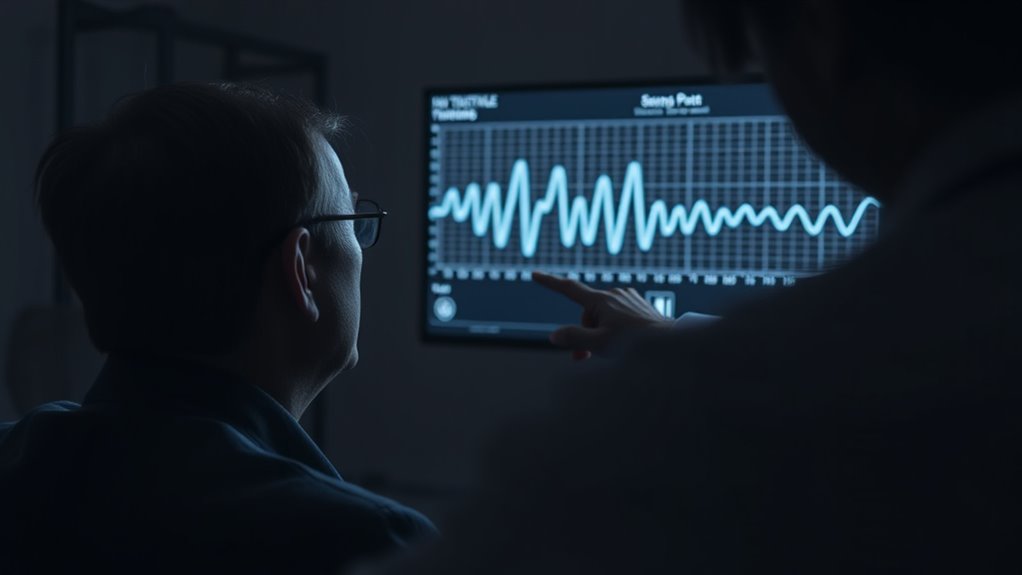

To diagnose whether you have pulsatile or non-pulsatile tinnitus, your doctor will evaluate your symptoms and perform specific tests. Pulsatile tinnitus usually involves a rhythmic sound synchronized with your heartbeat, prompting vascular imaging like Doppler ultrasound or MR angiography to find blood flow issues. Non-pulsatile tinnitus often results from inner ear problems and is assessed through audiometric tests. Understanding these differences and diagnostic steps will help clarify your condition and guide suitable treatment options.
Key Takeaways
- Differentiating pulsatile from non-pulsatile tinnitus is essential, as they have distinct causes and diagnostic approaches.
- Pulsatile tinnitus often requires vascular imaging (e.g., Doppler ultrasound, MR angiography) to identify blood flow abnormalities.
- Non-pulsatile tinnitus is typically assessed through audiometry and ear examinations to detect inner ear or nerve issues.
- Accurate diagnosis involves detailed medical history, physical exam, and targeted tests based on tinnitus type.
- Proper identification guides appropriate treatment, with vascular causes needing specific imaging and management strategies.
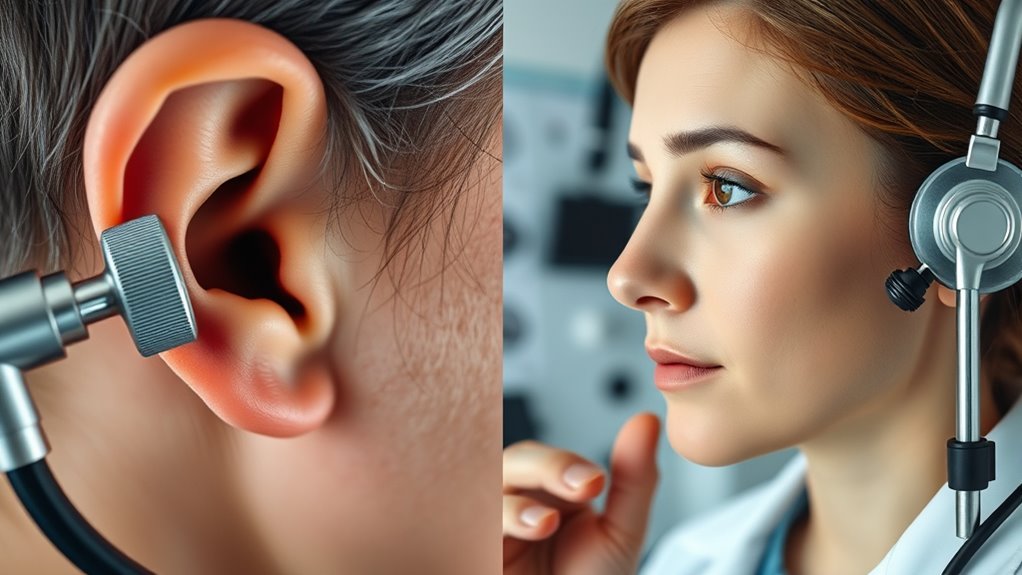
Have you ever experienced ringing or buzzing in your ears that seems to have no external source? If so, you’re not alone. This sensation, known as tinnitus, can be quite distressing, especially when you notice that the sound pulses in sync with your heartbeat. This type, called pulsatile tinnitus, often hints at vascular causes—issues related to blood flow in your head or neck. Because of this, your healthcare provider will take a different diagnostic approach compared to non-pulsatile tinnitus, which is more common and usually less linked to blood vessel problems.
Pulsatile tinnitus involves rhythmic ear sounds linked to blood flow issues.
When you describe pulsatile tinnitus, your doctor will likely focus on identifying vascular causes. These can include conditions like carotid artery disease, vascular tumors, or arteriovenous malformations, all of which affect blood flow near your ears. To evaluate these possibilities, your provider may order imaging tests such as Doppler ultrasound, MR angiography, or CT angiography. These help visualize blood vessels and assess for abnormalities that could be causing the pulsatile sounds. Alongside imaging, audiometric testing plays a *crucial* role; it measures your hearing sensitivity across various frequencies. While audiometric testing primarily helps diagnose different types of hearing loss, it can also assist in ruling out other ear-related issues that might mimic pulsatile tinnitus.
Understanding whether your tinnitus is pulsatile or non-pulsatile guides your doctor toward the right diagnostic path. Non-pulsatile tinnitus, which doesn’t sync with your heartbeat, often originates from inner ear issues, nerve damage, or noise exposure. When you seek medical help for this kind, audiometric testing becomes *essential* to evaluate your hearing health. The results can reveal hearing loss patterns or ear pathologies that might be contributing to your symptoms. Your doctor may also perform additional tests like tympanometry or otoacoustic emissions to gather more information.
In contrast, pulsatile tinnitus warrants a more thorough vascular assessment because it often signals blood flow irregularities. The key to an accurate diagnosis is a detailed medical history combined with targeted testing—imaging and blood flow studies—to pinpoint the cause. Once identified, treatment varies widely depending on the root issue, whether it’s addressing vascular abnormalities or managing other underlying conditions.
In essence, the path to diagnosing tinnitus depends heavily on whether it’s pulsatile or non-pulsatile. Recognizing the differences helps your healthcare provider choose the appropriate tests, including audiometric testing and vascular imaging, to uncover the cause. This tailored approach is *significantly* to developing an effective treatment plan, so understanding these distinctions can *considerably* impact your journey toward relief.
Frequently Asked Questions
Can Tinnitus Be Completely Cured With Treatment?
Tinnitus can’t always be completely cured, but treatment can markedly reduce its impact. Your neuroplasticity recovery helps your brain adapt to the sounds, improving your quality of life. Medications can be effective in managing symptoms, especially when tailored to your specific condition. While some cases see full relief, others require ongoing management, but with proper care, you can often find relief and regain control over your auditory health.
Are There Lifestyle Changes That Can Reduce Tinnitus Severity?
You can reduce tinnitus severity by making simple lifestyle changes. Try sound therapy to mask the ringing and promote relaxation. Dietary adjustments, like reducing caffeine and salt intake, may help lessen symptoms. Regular exercise and stress management techniques also support overall ear health. By incorporating these habits, you may find relief and improve your quality of life, making tinnitus more manageable daily.
How Does Age Influence the Development of Tinnitus?
As you age, age-related hearing loss and neurological aging can increase your risk of developing tinnitus. The decline in hearing sensitivity makes your brain work harder to interpret sounds, which can lead to tinnitus perception. Neurological changes also affect how your auditory system processes signals. Staying proactive with hearing protection, regular check-ups, and managing overall health can help mitigate some age-related impacts on tinnitus development.
Is Tinnitus More Common in One Ear Than the Other?
Ever wonder if tinnitus prefers one ear over the other? It often does, especially with unilateral cases. You might notice it in your dominant ear, influenced by ear dominance or certain underlying issues. While bilateral tinnitus affects both ears equally, unilateral tinnitus tends to be more common in one ear, making it easier to identify and diagnose. Keep track of which ear is affected to help your healthcare provider determine the cause.
Can Stress Worsen Tinnitus Symptoms Over Time?
Yes, stress can worsen your tinnitus symptoms over time. When you’re stressed, your body releases hormones that can increase your awareness of ringing or buzzing sounds. Managing stress through relaxation techniques and avoiding noise exposure helps reduce symptoms. Incorporate stress management strategies daily, and protect your ears from loud noises. Doing so can lessen the severity and frequency of your tinnitus, making it more manageable over time.
Conclusion
Understanding whether your tinnitus is pulsatile or non-pulsatile guides your diagnostic journey. Did you know that about 10% of tinnitus cases are pulsatile, often linked to vascular issues? Recognizing these differences helps your doctor determine the right tests and treatments faster. So, pay attention to your symptoms and communicate them clearly. Early detection can make a significant difference in managing your condition and improving your quality of life.