


To improve your sleep hygiene in just 10 minutes, dedicate time to calming activities like gentle stretching or deep breathing, and set a consistent bedtime routine. Create a soothing environment by keeping your room cool, dark, and quiet, and avoid screens during this window. Using comfortable bedding and minimizing external noise help as well. These quick adjustments can make a big difference—keep going to discover more simple tips to boost your sleep quality.

Get everyday helpers delivered free with Prime
- Fast, free delivery on millions of items
- Prime Video, Amazon Music and more included
- Member-only deals all year
Key Takeaways
- Dedicate 10 minutes before bed to calming activities like gentle stretching or deep breathing.
- Create a sleep-friendly environment by keeping the room cool, dark, and quiet.
- Establish a consistent bedtime routine to signal your body it’s time to sleep.
- Avoid screens and stimulating content during the pre-sleep window.
- Use sleep accessories and maintain a regular sleep environment for better sleep quality.
Products Worth Considering

Bose QuietComfort Headphones (2nd Gen), Wireless Noise-Cancelling Over-Ear Headphones, Eucalyptus Green

Bose QuietComfort Wireless Noise-Cancelling Headphones, Sandstone

Apple AirPods Pro 3 Wireless Earbuds with Active Noise Cancellation
As an affiliate, we earn on qualifying purchases.
Quick 10-Minute Sleep Routine Tips
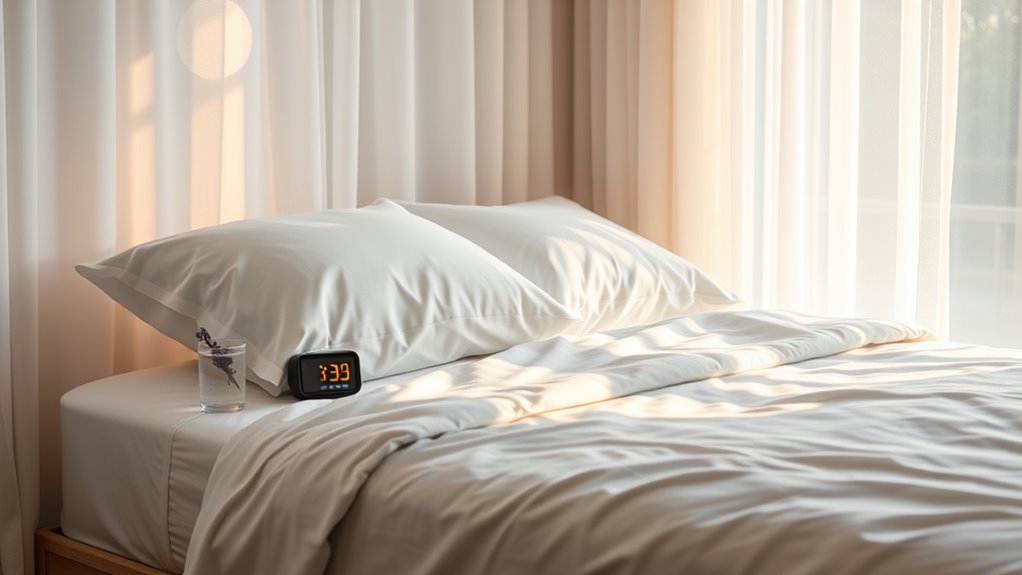
Getting better sleep doesn’t have to take hours of effort. Sometimes, all it takes is a quick, intentional adjustment to your bedtime routines and sleep environment. These small changes can make a substantial difference in how quickly you fall asleep and how restful your nights become. The key is to create a calming, consistent routine that signals to your body it’s time to wind down. Instead of scrolling through your phone or watching TV right up until bed, set aside a dedicated 10-minute window to shift into sleep mode. During this time, focus on calming activities like gentle stretching, deep breathing, or reading a book with dim lighting. Establishing a consistent bedtime routine helps your mind associate certain actions with sleep, making it easier to relax when you hit the pillow.
Your sleep environment plays an essential role in improving sleep quality. Take those 10 minutes to optimize your bedroom, making it a sanctuary for rest. Ensure your room is cool, dark, and quiet, as these conditions promote melatonin production and help you fall asleep faster. Use blackout curtains or an eye mask if outside light seeps in, and consider earplugs or a white noise machine to drown out disruptive sounds. Keep your bed comfortable with supportive pillows and a suitable mattress; comfort is indispensable for uninterrupted sleep. Removing electronic devices from your sleeping area or at least turning them off can also reduce exposure to blue light, which interferes with melatonin production. If you have trouble sleeping, try to keep your sleep environment consistent—your brain thrives on routine, and a stable setting helps reinforce your sleep cues.
Incorporating these simple adjustments into your nightly routine takes just a few minutes but can greatly impact how well you sleep. Think of it as a quick tune-up to your sleep hygiene. When you develop a predictable bedtime routine and optimize your sleep environment, you give yourself the best chance for falling asleep faster and enjoying deeper, more restorative rest. Remember, consistency matters. Even in just 10 minutes, you’re training your mind and body to associate certain cues with sleep, which can lead to long-term improvements. Don’t underestimate the power of small, deliberate steps. With a little effort, you’ll find yourself drifting off more easily and waking up feeling refreshed and ready for the day.
Frequently Asked Questions
Can a Quick Routine Really Improve Long-Term Sleep Quality?
Yes, a quick routine can improve your long-term sleep quality. Focusing on your sleep environment—keeping it dark, cool, and quiet—helps your body relax. Maintaining bedtime consistency trains your internal clock, making it easier to fall asleep and wake up refreshed. Even just 10 minutes of calming activities before bed can reinforce these habits, leading to better sleep over time. Small changes really add up for healthier sleep habits.
Should I Do These Tips Every Night or Only When I Have Trouble Sleeping?
You should do these tips as part of a consistent nightly routine, not just when you’re having trouble sleeping. Regular practice helps your body associate these habits with sleep, making it easier to fall asleep naturally. Incorporating these steps every night builds a healthy sleep hygiene routine that benefits you long-term. Consistency is key, so make these tips a regular part of your nightly habits for better, more restful sleep.
Are There Specific Foods or Drinks to Avoid Before My 10-Minute Routine?
Avoid caffeine consumption and alcohol intake before your 10-minute routine. For example, Sarah noticed her sleep improved when she cut back on late-afternoon coffee and evening drinks. Caffeine can stay in your system for hours, disrupting sleep, while alcohol may initially make you drowsy but ultimately fragment your sleep. Stick to calming teas or water instead, and keep your routine consistent for the best results.
How Do I Adjust These Tips for Shift Workers or Irregular Schedules?
To adapt your sleep tips as a shift worker, embrace flexible scheduling and develop personalized strategies. Adjust your sleep environment to create a dark, quiet space during daytime rest, and use blackout curtains or eye masks. Maintain consistent routines when possible, even if your schedule varies. Prioritize relaxation techniques before bed, and communicate your needs with colleagues or family. These tailored approaches help you optimize sleep despite irregular hours.
Can These Tips Help With Sleep Disorders Like Insomnia or Sleep Apnea?
About 30% of adults experience insomnia, and sleep disorders like sleep apnea may require more than just hygiene tips. Your best approach involves consulting a healthcare professional for accurate diagnosis. Sleep medication can provide short-term relief, but cognitive therapy often offers longer-lasting results. While these tips support better sleep, managing sleep disorders usually calls for tailored treatments that address underlying issues beyond simple habits.
Conclusion
In just 10 minutes, you can set the stage for peaceful, restorative sleep—like planting a seed that blooms into restful nights. Remember, small tweaks can make a big difference, transforming your bedtime from a battleground into a sanctuary. So, embrace these quick tips and watch your sleep improve steadily. With consistent effort, better sleep becomes your reality, not just a fleeting dream. Start tonight, and let your nightly reset become your favorite part of the day.