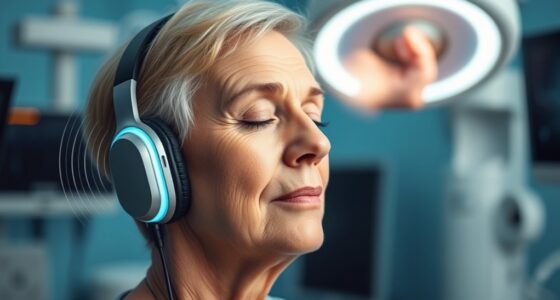
If you experience sudden sensorineural hearing loss, act fast—seek emergency medical attention immediately. Prompt treatment, often involving corticosteroids or hyperbaric oxygen, markedly improves your chances of recovery. Delaying care can lead to permanent hearing damage and inner ear issues. Recognize the warning signs and contact a healthcare professional right away. Staying alert to symptoms and responding swiftly can make a critical difference in your hearing health—continue to understand why acting quickly is essential.
Key Takeaways
- Immediate medical attention increases the likelihood of hearing recovery in SSNHL cases.
- Early diagnosis allows for prompt treatment, such as corticosteroids or hyperbaric oxygen therapy.
- Delayed intervention can lead to permanent hearing loss and inner ear damage.
- Recognize risk factors like age, noise exposure, or recent trauma to seek urgent care.
- Don’t ignore sudden hearing changes—seek emergency consultation without delay.
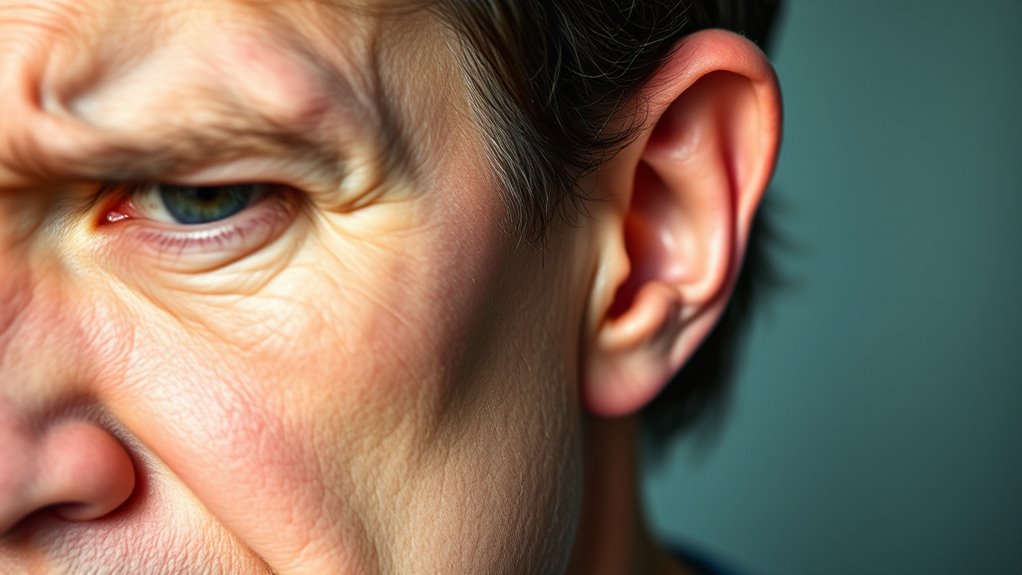
Sudden sensorineural hearing loss (SSNHL) occurs when you experience a rapid decrease in hearing ability, often happening within just a few hours or days. If you notice this sudden change, it’s vital to act quickly. The sooner you seek medical attention, the better your chances are for recovery. Treatment options for SSNHL vary depending on the cause, but common approaches include corticosteroids to reduce inflammation, antiviral medications if a viral infection is suspected, or hyperbaric oxygen therapy to improve oxygen supply to the inner ear. Early intervention is key because the effectiveness of these treatments diminishes as time passes. Don’t delay—timely diagnosis can substantially influence your outcome.
Understanding the risk factors for SSNHL helps you recognize when you might be more vulnerable. While sometimes the cause remains unknown, certain factors can increase your likelihood of experiencing sudden hearing loss. Age is a typical factor, with middle-aged and older adults being more susceptible. Exposure to loud noises, head trauma, or sudden changes in barometric pressure can also trigger SSNHL. Additionally, underlying health conditions like cardiovascular disease, diabetes, or autoimmune disorders can compromise blood flow or immune function, raising your risk. Some medications, such as ototoxic drugs, are known to cause hearing loss if taken in high doses or over extended periods. Recognizing these risk factors allows you to be more vigilant, especially if you have one or more of these conditions.
Knowing your risk factors helps you stay vigilant and seek prompt treatment for SSNHL.
If you’re aware of your risk factors, taking preventive steps can make a difference. Wearing ear protection in noisy environments, managing underlying health issues, and avoiding ototoxic medications unless prescribed by a healthcare provider are practical measures. However, if you do experience a sudden hearing loss, don’t assume it’s minor or wait to see if it improves on its own. Immediate consultation with an audiologist or ENT specialist is essential. They can perform tests to confirm SSNHL and determine the best treatment plan. Remember, time is of the essence. The longer you wait to get diagnosed and treated, the less likely you are to regain full hearing.
Acting swiftly not only improves your chances of recovery but also prevents possible complications, like persistent hearing loss or damage to the inner ear. It is also important to be aware that emotional stress can sometimes be a contributing factor to sudden hearing issues. Stay alert to any sudden changes in your hearing and prioritize prompt medical attention. Early treatment, combined with awareness of your risk factors, can make a noteworthy difference in managing SSNHL effectively. Don’t dismiss sudden hearing loss as trivial—your hearing health depends on prompt action.

Professional Hearing Aid Cleaning Kit and Dryer Dehumidifier,10-Piece Tools and Premium Storage Case,Fast Moisture Removal for Hearing Aids,Portable Safe Dryer Box
✅【4-in-1 Professional Care System | Clean + Dry + Dehumidify + Organize】 » Solve three major pain points…
As an affiliate, we earn on qualifying purchases.
As an affiliate, we earn on qualifying purchases.
Frequently Asked Questions
Can SSNHL Occur in Children or Adolescents?
Yes, SSNHL can occur in children and adolescents. If you notice sudden hearing loss in a young person, seek pediatric diagnosis promptly. Early treatment is vital to prevent potential developmental impacts, such as speech and language delays. Recognizing symptoms quickly allows you to act fast, ensuring the child receives appropriate care to minimize long-term consequences and support healthy development.
Are There Specific Activities That Increase SSNHL Risk?
Think of your ears as delicate garden plants that need protection. Activities like intense exercise risk, especially when combined with sudden head movements, and environmental exposure to loud noises, can increase your risk of SSNHL. Regularly wearing ear protection in noisy settings and avoiding sudden, vigorous movements help keep your hearing safe. Staying mindful of these activities guarantees your ears stay healthy, just like a well-tended garden.
How Effective Are Alternative Treatments Like Acupuncture?
Acupuncture effectiveness for SSNHL varies, but some people find it helpful as an alternative therapy alongside conventional treatment. While scientific evidence is limited, it may promote blood flow and reduce inflammation, potentially aiding recovery. You should discuss this option with your healthcare provider to confirm it complements your prescribed treatments. Keep in mind, alternative therapies like acupuncture shouldn’t replace urgent medical care but can be considered as supportive options.
Is SSNHL Linked to Long-Term Hearing Loss?
Oh, surely, long-term hearing loss is just a myth, right? Actually, sudden deafness from SSNHL can lead to lasting damage if not treated promptly. You might experience permanent hearing loss or tinnitus, making everyday conversations a challenge. So, don’t ignore sudden deafness—early intervention is vital. Otherwise, you risk turning a brief episode into a lifelong struggle with hearing loss. Act fast to minimize permanent damage!
What Are the Chances of Recurrence After Initial Recovery?
The recurrence probability after initial recovery varies, but it’s generally low with proper follow-up care. You should monitor your hearing closely and attend all follow-up appointments to catch any signs of recurrence early. While some cases may experience repeated episodes, early intervention markedly reduces long-term damage. Staying vigilant and following your healthcare provider’s advice can help minimize the chances of hearing loss recurring and ensure better outcomes.

ProCase Noise Reduction Ear Muffs, Sound Proof Ear Protection, NRR 28dB Noise Cancelling Headphones for Adults Kids Autism, Hearing Protection for Shooting Gun Range Mowing -Red
Constructed by solid ABS shell and thickened foam, the ear muffs achieve NRR 28 dB (SNR 34 dB)…
As an affiliate, we earn on qualifying purchases.
As an affiliate, we earn on qualifying purchases.
Conclusion
If you experience sudden hearing loss, don’t wait—act now. Think of your hearing as a delicate glass shattering silently in a moment’s notice; once broken, it’s hard to restore. Seek immediate medical help to catch this silent thief before it steals your world’s melody forever. Time is the most precious ally you have—so don’t let it slip away. Your quick action can be the beacon that guides your hearing back to life.

The 2027-2032 World Outlook for Hyperbaric Oxygen Therapy Devices
As an affiliate, we earn on qualifying purchases.
As an affiliate, we earn on qualifying purchases.
corticosteroid ear drops
As an affiliate, we earn on qualifying purchases.
As an affiliate, we earn on qualifying purchases.