
Cued speech interventions can substantially improve communication when used correctly, leading to inspiring success stories of individuals gaining confidence and independence. However, pitfalls like inconsistent cueing or inadequate training can limit progress and cause frustration. To maximize benefits, it’s essential to master clear, distinct cues and integrate them into daily interactions. Keep exploring, and you’ll discover how proper implementation makes all the difference in overcoming common challenges.
Key Takeaways
- Success stories highlight improved speech clarity, language skills, and confidence through consistent cued speech training.
- Pitfalls often stem from inconsistent cueing, inadequate teaching, or failure to integrate cues with other communication methods.
- Early intervention and tailored training programs significantly boost positive outcomes with cued speech.
- Combining cued speech with sign language or auditory training enhances overall language development.
- Ongoing monitoring and addressing common challenges prevent misinterpretation and improve long-term success.

Have you ever wondered how cued speech can improve communication for individuals with hearing impairments? Cued speech is a powerful tool that uses visual cue techniques to make spoken language visible, helping those with hearing challenges distinguish sounds and words more clearly. By integrating visual cues with speech, you can enhance understanding and foster more effective communication. The success of cued speech largely depends on how well these visual cue techniques are applied and the consistency of speech therapy methods. When properly implemented, individuals learn to interpret mouth movements and hand cues simultaneously, creating an all-encompassing visual map of spoken language. Additionally, incorporating high-quality visual cues can significantly improve the clarity and effectiveness of training sessions.
Cued speech uses visual cues to make spoken language clearer and improve communication for those with hearing challenges.
In practice, speech therapy methods for cued speech focus on teaching individuals to recognize and produce cues accurately. You might start with basic sounds and gradually progress to more complex language structures. As you become familiar with these methods, you’ll notice how visual cues complement auditory information, especially for those who struggle with traditional hearing aids or cochlear implants. The combination of visual cues and speech therapy methods enables learners to develop clearer pronunciation, improve language comprehension, and build confidence in their communication skills. Over time, consistent practice helps embed these cues into everyday interactions, making communication more natural and less frustrating.
However, the implementation of cued speech isn’t without its pitfalls. If the visual cue techniques aren’t taught thoroughly or if there’s inconsistency in cueing, learners can become confused or develop partial understanding. You need to guarantee that cues are clear, distinct, and practiced regularly. Without proper training, learners might only grasp fragments of speech or misinterpret cues, limiting their progress. Additionally, some individuals might find it challenging to keep up with the rapid pace of conversation or to integrate visual cues seamlessly into dynamic environments. This can lead to frustration, especially if the speech therapy methods aren’t tailored to the individual’s learning style or needs.
Another common pitfall is relying solely on cued speech without reinforcing other language skills. While cued speech is an effective visual communication tool, it works best when integrated into an all-inclusive language development plan. You should combine cued speech with other approaches, such as sign language or auditory training, to maximize progress. Recognizing these potential pitfalls early on and addressing them with targeted strategies ensures that cued speech interventions remain a successful and sustainable method for improving communication. When used effectively, cued speech can open doors to clearer conversations and greater independence for individuals with hearing impairments.

JB8524 Deluxe Talking Scale. Digital Body Weight Talking Bathroom Scale, High Precision Measurements, Over 600 Pound Capacity Weight Scale. Extra-Large Display, Auto-Calibrated, Precision Balanced
First-Rate Quality: Don't settle for less. Ideaworks is known for innovative and high-performing products
As an affiliate, we earn on qualifying purchases.
Frequently Asked Questions
How Early Should Cued Speech Intervention Begin for Best Outcomes?
You should start cued speech intervention as early as possible, ideally before your child reaches key developmental milestones, such as first words or babbling. Early intervention allows you to optimize timing considerations, helping your child develop strong communication skills. The sooner you introduce cued speech, the better your chances of supporting their language development and ensuring they achieve age-appropriate milestones, fostering better long-term communication success.
Are There Specific Age Groups That Benefit Most From Cued Speech?
You might wonder if specific age groups benefit most from cued speech. The answer is yes—early childhood, when children reach key developmental milestones and are actively acquiring language, offers the greatest advantage. During this critical period, cued speech helps reinforce language skills, enhances communication, and supports overall development. As you introduce cued speech during these formative years, you maximize its impact on your child’s language acquisition journey.
Can Cued Speech Be Combined Effectively With Other Communication Methods?
You can definitely combine cued speech with other communication methods to support multimodal communication and enhance language development. By integrating cues with sign language, speech, or visual aids, you create a richer learning environment that addresses different learning styles. This approach helps you foster better understanding and more effective communication, especially for children with diverse needs. Combining methods makes language learning more flexible and tailored, boosting overall progress.
What Training Is Required for Parents to Implement Cued Speech at Home?
Did you know that research shows parent involvement boosts communication skills in children with hearing loss? To implement cued speech at home, you’ll need specific training requirements, usually offered through workshops or one-on-one sessions with a certified instructor. This training helps you learn the cues and integrate them naturally into daily routines. With proper preparation, your active participation can markedly enhance your child’s language development and confidence.
How Do Cultural and Linguistic Differences Influence Cued Speech Effectiveness?
Cultural and linguistic differences markedly influence cued speech effectiveness. You should consider cultural adaptation to guarantee cues resonate with your child’s background, making learning more natural. Language compatibility is essential; if cues align with your native language, your child will grasp concepts faster. By tailoring cued speech to fit your cultural and linguistic context, you enhance communication, foster better understanding, and support your child’s language development more effectively.
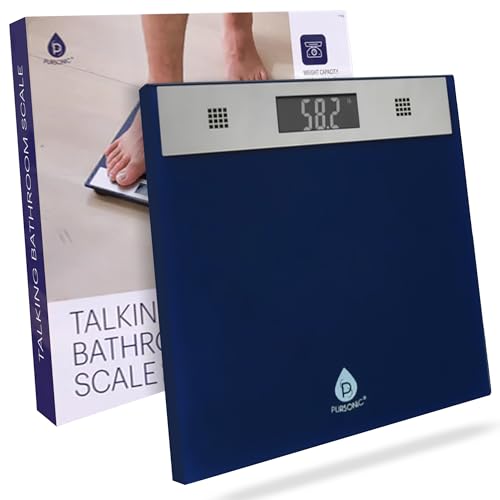
Pursonic Talking Bathroom Scale for Body Weight - 400lb Digital Weight Scale with 5mm Tempered Glass, Clear LCD Display & Auto Shut Off - Accurate & Instant Scales for Body Weight
Sleek and Durable Talking Scale Design: This talking scale combines modern aesthetics with a robust 5mm tempered glass...
As an affiliate, we earn on qualifying purchases.
Conclusion
As you explore cued speech interventions, you’ll find success stories often mirror unexpected coincidences—moments where persistence aligns with opportunity. These unforeseen connections remind you that progress isn’t always linear, and sometimes, the smallest breakthroughs can lead to profound understanding. Embrace both the triumphs and pitfalls; they’re part of a larger, almost serendipitous journey toward effective communication. In this dance of effort and chance, you discover that perseverance often opens doors you didn’t anticipate.

Talking Digital Scale Extra Wide Glass - Accurate Visual & Voice Display Scale for Body Weight - 395 Pounds Max - Wide Width Tamper Glass - Large LCD Display - Tap Auto On & Off
Loud and clear talking bathroom scale is a digital scale with voice that is clear and easy to...
As an affiliate, we earn on qualifying purchases.

Talking Scales - Big Numbers and Clear Loud Voice Announcement of Weight (Black)
Backlit screen with big numbers shows your weight in Pounds or Kilograms
As an affiliate, we earn on qualifying purchases.