After a concert, protect your ears by avoiding loud sounds and giving them time to rest. Use ear protection next time to prevent further damage and reduce ringing. Stay hydrated, as water can help flush out toxins caused by noise exposure. If your ears feel sore or the ringing persists, consider taking anti-inflammatory meds like ibuprofen—just check with a healthcare professional first. If issues continue, it’s wise to seek medical advice to prevent long-term damage.
Key Takeaways
- Wear ear protection during concerts to prevent excessive noise exposure and reduce the risk of tinnitus.
- Rest your ears by avoiding loud sounds and lowering device volumes immediately after the event.
- Stay hydrated and consider gentle massage or ear exercises to promote circulation and ear recovery.
- Use over-the-counter anti-inflammatory medications like ibuprofen if advised by a healthcare professional.
- Seek medical evaluation if ringing persists, worsens, or if you experience hearing loss to prevent long-term damage.

After a loud concert, ringing ears—also known as tinnitus—are a common and often unsettling experience. The deafening concert noise can leave your ears feeling overwhelmed and sensitive. You might notice a persistent ringing, buzzing, or hissing sound that doesn’t seem to go away. It’s your ears’ way of reacting to the intense sound levels they’ve been exposed to. In situations like this, taking immediate steps can help reduce discomfort and prevent potential long-term damage.
First, it’s essential to understand that concert noise can be surprisingly loud, often exceeding safe listening levels. When you’re in a lively venue, sound waves penetrate your ears with intensity, and without ear protection, your delicate auditory system bears the brunt. Ear protection, like earplugs or specialized musician’s earplugs, can considerably decrease the volume reaching your eardrum. If you’re planning to attend a concert again, always consider wearing ear protection. They’re discreet, affordable, and effective at reducing the risk of tinnitus and hearing loss. Using ear protection isn’t just about protecting your hearing; it’s about preserving your ability to enjoy music for years to come.
Once the concert ends, avoid the temptation to listen to loud music immediately afterward. Give your ears a break by turning down the volume on your devices or avoiding headphones altogether. Resting your ears allows them to recover from the intense noise exposure. You might also find relief by gently massaging your temples or neck to promote circulation, which can help alleviate some of the discomfort caused by the loud environment.
Give your ears a break after concerts by lowering volume and avoiding headphones to aid recovery and reduce discomfort.
Hydration is another important step. Drinking plenty of water helps flush out toxins that may have accumulated in your ears due to the noise trauma. Additionally, some people find that taking a nonsteroidal anti-inflammatory drug (NSAID), like ibuprofen, can reduce inflammation and ease tinnitus symptoms. However, consult a healthcare professional before taking any medication, especially if you experience persistent ringing or discomfort.
If your ringing persists beyond a few hours or worsens over time, it’s essential to seek medical advice. An audiologist or ENT specialist can assess your hearing health, determine if there’s any damage, and recommend appropriate treatment. Remember, while ringing ears are often temporary, repeated exposure to loud concert noise without proper ear protection can cause permanent hearing loss. Protecting your ears before and after concerts is the best way to enjoy music without risking your hearing health.
Additionally, using specialized ear protection like custom-fit earplugs can significantly reduce the risk of long-term damage while still allowing you to enjoy the music.

Hearprotek Concert Ear Plugs, 2Pairs Reusable high Fidelity Musician Ear Plugs for Concerts Loud Music-Noise Reduction Ear Protection earplugs for Rave,Festival,Music,Tinnitus Relief
High Fidelity: Hearprotek Music ear plugs do an effective job of bringing down the overall volume, blocking background…
As an affiliate, we earn on qualifying purchases.
As an affiliate, we earn on qualifying purchases.
Frequently Asked Questions
Can Ringing Ears Indicate Permanent Hearing Loss?
Ringing ears can sometimes signal hearing damage from noise exposure, but it doesn’t always mean permanent loss. If your ears ring after loud events, it’s a sign to protect your hearing in the future. Persistent ringing or difficulty hearing may indicate lasting damage, so you should see a healthcare professional. Taking immediate steps to limit noise exposure and using ear protection can help prevent permanent hearing loss.
How Long Does It Take for Ringing to Subside Naturally?
Coincidentally, your ringing ears from noise exposure often subside within a few hours to a couple of days. Usually, temporary hearing damage heals naturally as your ears recover from the noise exposure. To speed up recovery, avoid loud sounds, stay hydrated, and rest your ears. If ringing persists beyond a week or worsens, seek professional help, as it might indicate more serious damage requiring treatment.
Are There Specific Medications to Reduce Tinnitus After Concerts?
You can try medication options like antihistamines or anti-anxiety drugs to reduce tinnitus after concerts, but consult a healthcare professional first. While there aren’t specific tinnitus treatment medications universally recommended, some people find relief with certain antidepressants or steroids. Always speak with a doctor to determine the best approach for your tinnitus, and avoid self-medicating, as proper diagnosis and tailored treatment are essential for effective relief.
What Home Remedies Effectively Alleviate Ringing Ears?
Did you know that up to 20% of people experience ringing ears after loud events? To ease the discomfort, use ear protection like noise-canceling earplugs during concerts to prevent further damage. Herbal remedies such as ginger or ginkgo biloba may help reduce inflammation and improve circulation, alleviating ringing. Rest your ears, stay hydrated, and avoid loud environments to support recovery. These simple home remedies can make a notable difference.
When Should I Seek Medical Attention for Persistent Ringing?
You should seek medical attention if your ringing persists beyond 48 hours, worsens, or is accompanied by dizziness, hearing loss, or pain. Proper tinnitus management and hearing protection are essential to prevent further damage. Don’t ignore ongoing symptoms, as they could indicate underlying issues. Visit a healthcare professional promptly to evaluate your condition and explore treatment options, ensuring your hearing health remains protected and manageable.
Hearprotek Concert Ear Plugs, 2Pairs Reusable high Fidelity Musician Ear Plugs for Concerts Loud Music-Noise Reduction Ear Protection earplugs for Rave,Festival,Music,Tinnitus Relief
High Fidelity: Hearprotek Music ear plugs do an effective job of bringing down the overall volume, blocking background…
As an affiliate, we earn on qualifying purchases.
As an affiliate, we earn on qualifying purchases.
Conclusion
Remember, just like a lighthouse guides ships safely home, your ears need gentle care after a loud concert. Giving them time to rest and avoiding further noise helps prevent long-term damage. Think of your ears as delicate seashells, easily worn down by the crashing waves of sound. Respect their fragility, and they’ll continue to sing their sweet song for years to come. Treat your ears kindly, and they’ll reward you with clear, ringing-free harmony.

ideayard Facial Reflexology Massage Tool, 3 Pieces/6 Sized Headed Stainless Steel Acupuncture Pen for Ear, Face & Body Acupressure, Deep Tissue Pain Relief & Muscle Relaxation
Pinpoint Acupressure Relief for Hard-to-Reach Spots: Dual-head design = your secret weapon for targeted comfort! The slim precision…
As an affiliate, we earn on qualifying purchases.
As an affiliate, we earn on qualifying purchases.
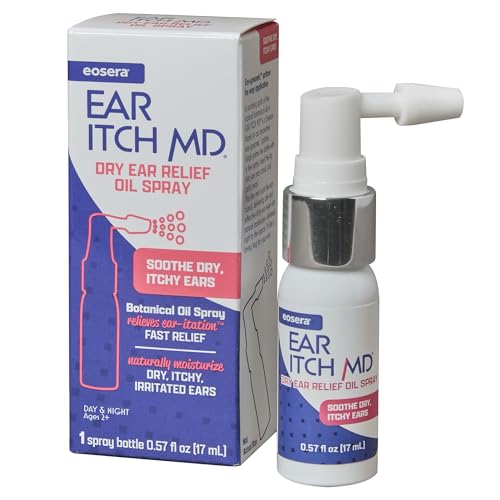
eosera® Ear Itch MD® – Fast-Acting Ear Drop Spray – Soothing Formula that Naturally Moisturizes the Ear Canal while Calming Dry Skin – Works for Allergies, Eczema, Dermatitis, Psoriasis & Hearing Aids
SOOTHING RELIEF: eosera EAR ITCH MD is specially formulated to relieve itching caused by allergies, eczema, dermatitis, and…
As an affiliate, we earn on qualifying purchases.
As an affiliate, we earn on qualifying purchases.