
Your diet, caffeine, and alcohol can all impact how loud and frequent your tinnitus feels. Too much caffeine or alcohol might make your symptoms worse because they can raise stress and blood pressure. Certain foods or drinks could also trigger or worsen ringing or buzzing sounds. Managing what you consume may help lessen your symptoms. To learn how specific changes could improve your experience, keep exploring the connection between your diet and tinnitus.
Key Takeaways
- Certain foods and drinks, like caffeine and alcohol, can worsen tinnitus symptoms by increasing stress and blood pressure.
- Reducing or avoiding caffeine may help decrease tinnitus severity in sensitive individuals.
- Alcohol consumption can amplify tinnitus sounds and may interfere with medication effectiveness.
- Dietary changes and stress management techniques can support tinnitus symptom control.
- Awareness of medication interactions with diet and stimulants is crucial for managing tinnitus fluctuations.

Many people with tinnitus notice that their symptoms fluctuate based on their diet, caffeine intake, or alcohol consumption. You might find that consuming certain foods or drinks makes the ringing or buzzing louder, while avoiding others seems to bring relief. These changes often relate to how your body reacts to substances, including how they interact with medications you might be taking. Some medications can have interactions that worsen tinnitus symptoms or cause side effects like increased ear ringing. For example, certain antibiotics, diuretics, or antidepressants may intensify your tinnitus if combined with specific foods or drinks. Staying aware of these medication interactions helps you better manage your condition and avoid triggers that could make your symptoms worse.
Caffeine is a common culprit for many tinnitus sufferers. It’s found in coffee, tea, chocolate, and energy drinks, and while some people tolerate it well, others notice their tinnitus becomes more noticeable after consuming caffeine. The stimulant effect of caffeine can increase your stress levels and blood pressure, which may contribute to the perception of louder ringing or buzzing. Reducing or eliminating caffeine from your diet might help decrease the severity of your symptoms. However, it’s important to do so gradually to avoid withdrawal headaches or increased stress, which can also exacerbate tinnitus. Remember, stress management is vital; high stress levels are known to worsen tinnitus for many people. Finding ways to relax—whether through meditation, deep breathing exercises, or gentle physical activity—can markedly improve your quality of life. Managing stress not only helps reduce tinnitus symptoms but also supports your overall health. Additionally, considering alternative dietary choices might benefit your overall ear health and symptom management.
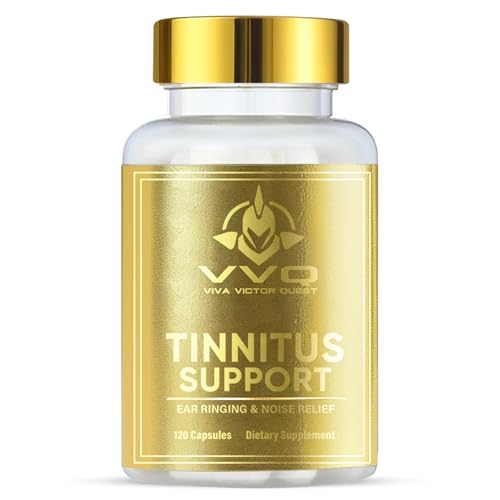
1200MG Tinnitus Relief for Ringing Ears – Advanced Ear Health Support Supplement with Hibiscus & Hawthorn Berry – Soothing Comfort for Ear Noise – Non-GMO & Vegan – 120 Capsules
【QUIET YOUR WORLD】 Experience a more peaceful environment with our advanced formula designed to support ear comfort. By…
As an affiliate, we earn on qualifying purchases.
As an affiliate, we earn on qualifying purchases.
Frequently Asked Questions
Can Specific Foods Worsen Tinnitus Symptoms?
Yes, certain food triggers can worsen your tinnitus symptoms. Spicy foods, processed snacks, and foods high in salt or sugar may amplify your perception of ringing or buzzing. To manage this, consider diet modifications by avoiding these triggers. Keeping a food diary helps identify specific items that affect you. By making these changes, you may reduce the severity of your tinnitus and improve your overall comfort.
Is There a Recommended Caffeine Intake for Tinnitus Sufferers?
Think of caffeine as a double-edged sword—you want to enjoy it without sharpening your tinnitus symptoms. Experts recommend keeping your caffeine intake moderate, ideally under 200-300 mg daily, which is about two to three cups of coffee. This safe caffeine level helps prevent exacerbating your tinnitus. Listen to your body, and if you notice symptoms worsening, consider cutting back further to find your ideal balance.
How Does Alcohol Consumption Affect Tinnitus Severity?
Drinking alcohol can worsen your tinnitus by affecting your hearing and increasing noise perception. Alcohol causes blood vessel dilation, which can lead to increased tinnitus severity and sometimes hearing issues. When you drink, it may also disrupt your sleep and heighten stress, making tinnitus more noticeable. To manage your symptoms better, consider reducing alcohol consumption, as it can directly impact hearing health and amplify your tinnitus experience.
Are Natural Remedies Effective for Managing Tinnitus?
Natural remedies can sometimes ease your tinnitus, but they aren’t miracle cures. Herbal supplements, like ginkgo biloba, have helped some people reduce their symptoms, while acupressure therapy offers relaxation that might lessen the ringing. While these methods aren’t guaranteed, trying them could bring noticeable relief. Remember, consistency is key, and consulting a healthcare professional guarantees safe, personalized options. You might just turn down the volume on that relentless noise!
Can Dietary Changes Prevent Tinnitus From Worsening?
You can reduce the risk of tinnitus worsening by adjusting your diet and avoiding specific dietary triggers. Incorporate nutritional strategies like eating a balanced diet rich in magnesium, zinc, and antioxidants, which may support ear health. Avoid processed foods, excessive salt, and added sugars, as they can exacerbate tinnitus. Staying hydrated and maintaining a healthy weight also help manage symptoms. These proactive dietary changes can help prevent your tinnitus from worsening over time.

Sound Oasis® Bluetooth Tinnitus Sound Therapy System® Alarm Clock – Sleep Better, Manage and Mask Tinnitus, 30 Built-in Sounds for Tinnitus Relief, Sleep-Friendly Lighting, Travel Friendly (BST-150T)
✅ 30 SOUNDS HELP YOU MANAGE YOUR TINNITUS. Manage your tinnitus with the same Sound Oasis sounds used…
As an affiliate, we earn on qualifying purchases.
As an affiliate, we earn on qualifying purchases.
Conclusion
Just like tuning a musical instrument, managing your diet, caffeine, and alcohol can help keep your tinnitus in harmony. Imagine cutting back on caffeine as tightening loose strings—you’ll notice a clearer, more balanced sound. Remember, over 50% of tinnitus sufferers report improvement when adjusting their habits. So, take small steps today; every change is like tuning your inner symphony, bringing a little more peace and clarity to your daily life.

Zenotone Tinnitus Relief Supplement – Auditory & Ear Health Support – Promotes Clear Sound – Aids in Reducing Ringing – Juniper & Hawthorn Berry, Garlic, Hibiscus, Vitamin C B-3, 6 & 12 (60 Capsules)
Promotes Clear Sound – By supporting ear health and function and quieting symptoms of tinnitus, you'll enjoy clear,…
As an affiliate, we earn on qualifying purchases.
As an affiliate, we earn on qualifying purchases.

Quiet Harmony Tinnitus Tea – Herbal Support for Ringing Ears, Circulation & Calm | Ultra-Premium Caffeine-Free Tea with Ginkgo, Rooibos & Lemon Balm | 20 Pyramid Bags
SUPPORTS TINNITUS MANAGEMENT & NERVOUS SYSTEM BALANCE. Formulated with Ginkgo Leaf and Nettle to promote healthy circulation—an important…
As an affiliate, we earn on qualifying purchases.
As an affiliate, we earn on qualifying purchases.