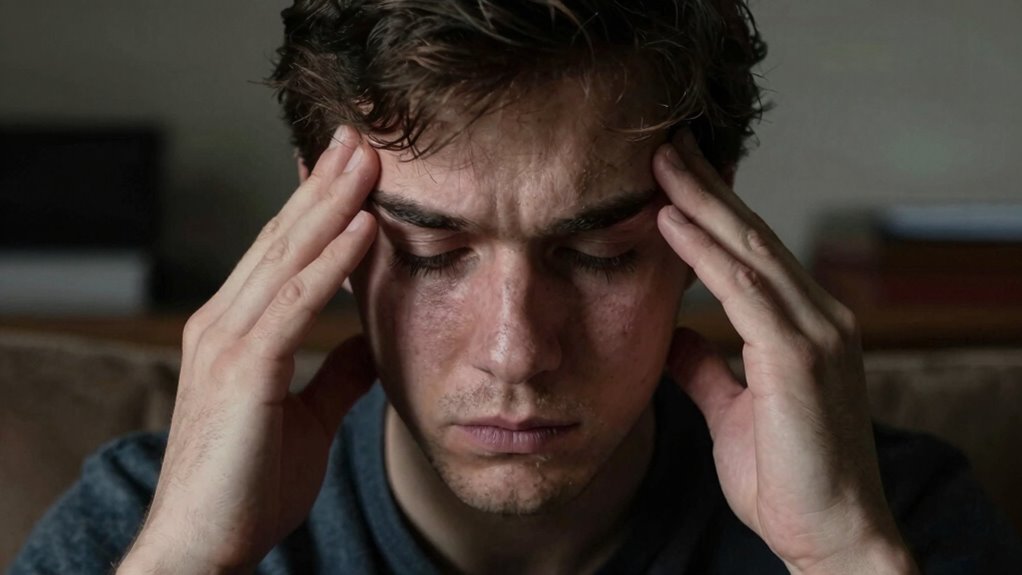

Hearing phantom sounds daily can weigh heavily on your emotional well-being, causing anxiety, frustration, and feelings of isolation. These persistent noises remind you that something isn’t right, creating a cycle of worry and helplessness. Managing your reaction through mindfulness, building resilience, and seeking social support can help lessen their emotional impact. With patience and effort, you can change how you emotionally respond to these sounds. Discover more ways to cope and find peace as you explore further.

Get everyday helpers delivered free with Prime
- Fast, free delivery on millions of items
- Prime Video, Amazon Music and more included
- Member-only deals all year
Key Takeaways
- Persistent phantom sounds can lead to feelings of anxiety, frustration, and emotional exhaustion.
- Developing emotional resilience helps individuals manage the psychological burden of ongoing noises.
- Mindfulness techniques can reduce anxiety and foster acceptance of phantom sounds.
- Social support and self-care routines are vital for maintaining emotional well-being amid persistent auditory disturbances.
- Shifting emotional responses, rather than eliminating the sounds, aids in building a healthier relationship with phantom noises.
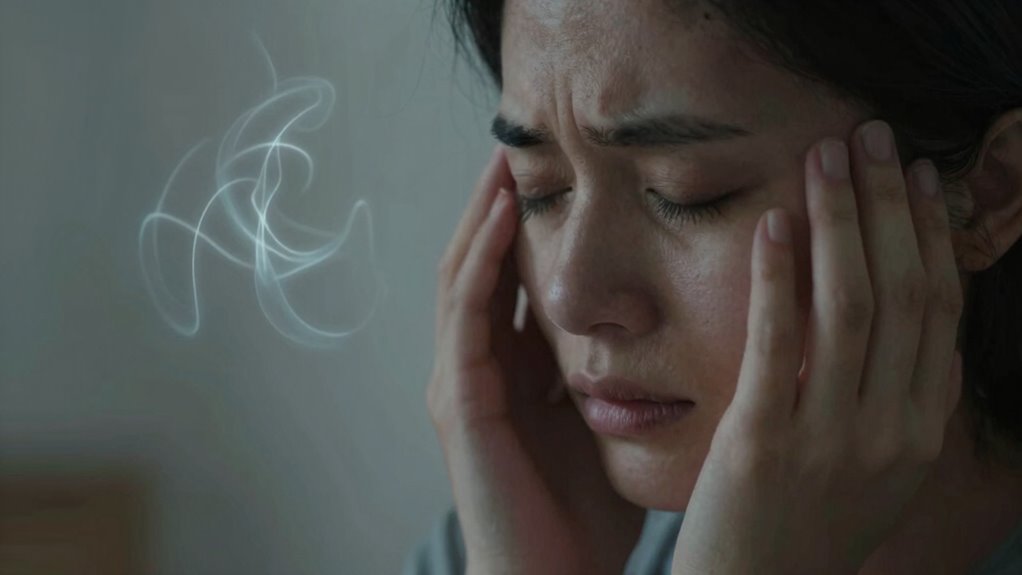
Hearing phantom sounds daily can take a significant emotional toll, leaving you feeling anxious, frustrated, and isolated. When you constantly grapple with these unexplainable noises, it’s easy to become overwhelmed by the persistent reminder that something isn’t right. The emotional weight can build up, making you feel trapped in a cycle of worry and helplessness. It’s important to understand that your feelings are valid, but also that there are ways to manage the emotional load effectively. Developing emotional resilience can help you stay grounded, even when the phantom sounds seem relentless. Building this resilience involves cultivating a mindset that allows you to bounce back from the emotional strain and maintain a sense of control over your reactions. One practical approach is to incorporate mindfulness techniques into your daily routine. Mindfulness encourages you to stay present, observe your thoughts and feelings without judgment, and accept your experiences rather than fighting against them. When you notice the phantom sounds, instead of becoming consumed by frustration or fear, try to acknowledge the sensation calmly. Focus on your breath, taking slow, deliberate inhales and exhales, which can help reduce anxiety and bring your attention back to the present moment. Over time, practicing mindfulness can diminish the emotional impact these sounds have on you, creating a sense of calm amidst chaos. It’s also essential to remember that you’re not alone in this experience. Connecting with others who understand what you’re going through can provide emotional relief and practical advice. Sharing your feelings and hearing how others cope can reinforce your emotional resilience, making it easier to face each day. Additionally, establishing routines that promote self-care—like regular exercise, healthy eating, and sufficient sleep—can bolster your emotional strength. These habits help stabilize your mood and reduce stress, making it easier to handle the ongoing psychological burden. Recognizing that managing the emotional load isn’t about eliminating the phantom sounds but rather about changing your relationship with them is key. When you practice mindfulness and strengthen your emotional resilience, you’re equipping yourself with the tools to cope better. This doesn’t mean the sounds will disappear, but it empowers you to reduce their power over your emotional state. With patience and persistence, you can find a sense of peace and regain a sense of control, even when the phantom noises persist. Remember, your emotional well-being is just as important as addressing the physical or auditory aspects of hearing phantom sounds. Understanding the causes of phantom sounds can also help lessen the emotional burden by providing clarity and reassurance. Recognizing the emotional impact of these experiences allows you to approach them with greater compassion for yourself and a more proactive mindset. Additionally, educating yourself about auditory perception can help demystify the experience and reduce feelings of fear or confusion. Exploring the underlying neurological processes involved in phantom sounds can give you a better understanding of why they occur, which may alleviate some of the emotional distress.
Products Worth Considering

DJI Osmo Mobile 7P with Mic Mini TX (Infinity Black) Gimbal Stabilizer

LG UltraGear 27-Inch QHD OLED Gaming Monitor, 240Hz, 0.03ms, G-SYNC Compatible, FreeSync Premium Pro, HDMI 2.1

Apple iPad Air (2025) 13‑inch Wi‑Fi 256 GB – Space Gray (M3 chip)
As an affiliate, we earn on qualifying purchases.
Frequently Asked Questions
Can Phantom Sounds Indicate a Serious Medical Condition?
Yes, phantom sounds can indicate serious conditions like neurological disorders or auditory hallucinations linked to mental health issues. If you experience persistent or worsening phantom sounds, it’s essential to seek medical advice promptly. These sounds might be a sign of underlying health problems, so early diagnosis and treatment are vital to address any potential neurological or psychiatric causes effectively.
Are There Effective Treatments for Persistent Phantom Sounds?
Yes, there are effective treatments for persistent phantom sounds. You can try sound therapy, which uses external sounds to mask or reduce the perception of phantom noises. Cognitive-behavioral therapy (CBT) also helps by changing negative thoughts and emotional responses associated with the sounds. Combining these approaches often provides relief, helping you manage the emotional load and improve your quality of life. Consulting a healthcare professional can guide you to the best treatment plan.
How Common Is Hearing Phantom Sounds Among Different Age Groups?
You’re more likely to hear phantom sounds as you age, especially due to age-related hearing changes that affect many older adults. Younger people rarely experience this phenomenon, but cultural perceptions can influence how different age groups interpret these sounds. Awareness varies across cultures, impacting how common phantom sounds seem. Overall, hearing phantom sounds becomes more prevalent with age, but individual experiences fluctuate based on hearing health and cultural context.
Do Phantom Sounds Affect Sleep Quality?
Hearing phantom sounds can definitely disrupt your sleep, causing sleep disturbances and increasing noise sensitivity. When these sounds persist, they make it hard to fall asleep or stay asleep, leaving you tired and irritable. The constant presence of phantom noises can heighten your awareness of other sounds, intensifying sleep issues. Managing stress, using white noise, or seeking professional help can reduce their impact and improve your sleep quality.
Can Stress or Anxiety Worsen the Perception of Phantom Sounds?
Yes, stress impact and anxiety influence can worsen your perception of phantom sounds. When you’re stressed or anxious, your brain becomes more alert, making it harder to ignore these sounds. This heightened state amplifies the perception of phantom noises, creating a vicious cycle. Managing stress and anxiety through relaxation techniques or therapy can help reduce the intensity of these sounds and improve your overall well-being.
Conclusion
Living with phantom sounds every day isn’t just an annoyance—it’s like carrying an invisible weight that drains your soul and shatters your peace. It’s as if your mind has become a battlefield, constantly battling an uninvited, relentless noise. This invisible torment can turn your life into an endless nightmare, making even the simplest tasks feel like Herculean efforts. Remember, you’re not alone in this silent war—reach out, seek help, and don’t let the phantom sound steal your happiness.