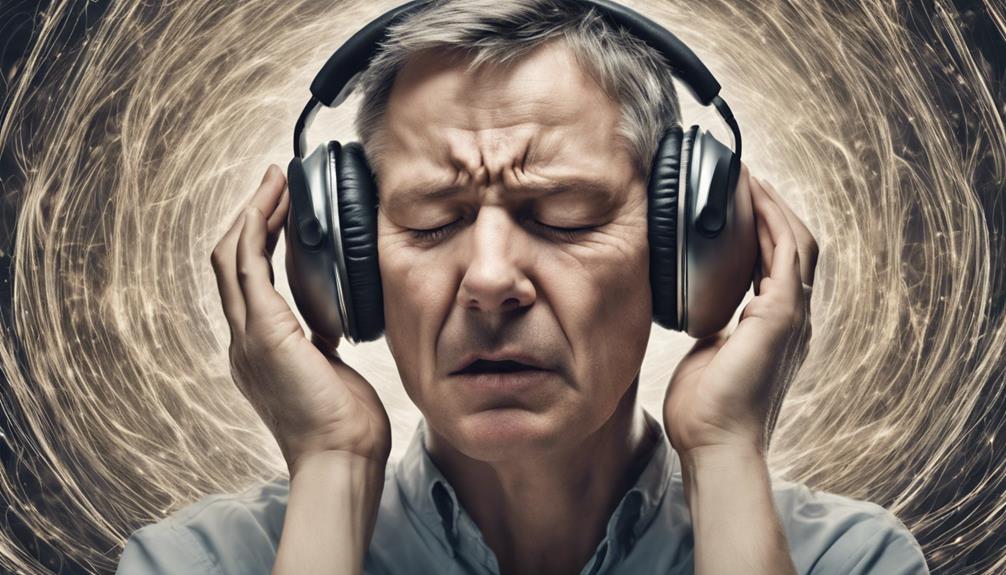
Hyperacusis and tinnitus often overlap, creating challenges that affect your daily life emotionally, physically, and socially. You may find normal sounds painfully loud and feel overwhelmed in noisy environments, leading to anxiety and social withdrawal. Tinnitus can worsen hyperacusis, creating a cycle of heightened sensitivity and ear ringing. Managing these conditions involves sound therapy, protective measures, and professional support. If you want to understand how to better cope and improve your quality of life, there’s more to discover.
Key Takeaways
- Hyperacusis and tinnitus often occur together, with each condition exacerbating the other, creating a cycle of sound sensitivity and ringing.
- Both conditions can lead to emotional distress, including anxiety, irritability, and social isolation, impacting quality of life.
- Loud noises can worsen symptoms of hyperacusis and tinnitus, making sound management and environment control essential.
- Sound therapy and professional support, such as CBT, can help desensitize ears and reframe responses to overlapping challenges.
- Recognizing their interconnected nature is crucial for effective treatment and improving daily functioning.
If you experience a heightened sensitivity to everyday sounds, you might be dealing with hyperacusis, a condition that makes normal noise seem painfully loud. This sound sensitivity can turn simple activities like talking, cooking, or even walking outside into overwhelming experiences. You may notice that sounds which others find tolerable become distressing or unbearable, leading to increased anxiety and avoidance of social situations. One common symptom accompanying hyperacusis is ear ringing, or tinnitus, which often intensifies when you’re exposed to certain noises. The combination of sound sensitivity and ear ringing can create a vicious cycle—loud noises trigger tinnitus, and the persistent ringing heightens your awareness of sound, making everyday life difficult.
Hyperacusis isn’t just about discomfort; it can cause real emotional and physical strain. You might feel anxious or irritable because your ears react so intensely to ordinary sounds. The ear ringing associated with tinnitus can fluctuate in volume, often becoming more noticeable when you’re exposed to loud or sudden noises. This can make even quiet environments seem unsettling or oppressive. The challenge lies in managing these symptoms without feeling overwhelmed. You may find yourself avoiding crowded places, loud settings, or even routine activities that once brought you joy. Over time, this can lead to social isolation and depression, intensifying the impact of both sound sensitivity and tinnitus.
Understanding the connection between hyperacusis and tinnitus can help you develop strategies to cope. Sometimes, sound sensitivity stems from underlying issues like hearing loss, ear injury, or neurological conditions, but it can also be linked directly to tinnitus. When ear ringing is persistent, it can heighten your awareness of every sound, making normal noises seem intolerable. It’s essential to protect your ears from sudden or loud noises, which can worsen both hyperacusis and tinnitus. Using ear protection, like earplugs or noise-canceling headphones, can provide relief and prevent further damage. Additionally, sound therapy—where you expose yourself gradually to calming, controlled noise—can desensitize your ears over time. Recognizing how sound sensitivity impacts your daily life is crucial for effective management.
Ultimately, managing hyperacusis and tinnitus requires patience and sometimes professional guidance. Therapies like cognitive-behavioral therapy (CBT) can help you reframe your response to sound sensitivity and ear ringing, reducing anxiety and improving quality of life. Recognizing that these symptoms often coexist and influence each other is key to developing a holistic approach. While they can be challenging, with proper management, you can regain control over your environment and lessen the distress caused by hyperacusis and tinnitus.

Hearprotek Concert Ear Plugs, 2Pairs Reusable high Fidelity Musician Ear Plugs for Concerts Loud Music-Noise Reduction Ear Protection earplugs for Rave,Festival,Music,Tinnitus Relief
High Fidelity: Hearprotek Music ear plugs do an effective job of bringing down the overall volume, blocking background…
As an affiliate, we earn on qualifying purchases.
As an affiliate, we earn on qualifying purchases.
Frequently Asked Questions
Can Hyperacusis Cause Permanent Hearing Damage?
Hyperacusis itself doesn’t directly cause permanent hearing damage, but your increased sound sensitivity can lead you to avoid certain sounds, potentially causing you to miss important auditory cues. If you expose yourself to loud noises despite your hyperacusis, you risk hearing loss over time. To protect your hearing, it’s best to manage sound levels carefully and seek advice from a professional, ensuring your hearing health remains intact.
Are There Specific Triggers for Tinnitus Severity?
Yes, specific sound sensitivity and noise triggers can worsen tinnitus severity. Loud or sudden noises, caffeine, stress, and certain medications often increase your tinnitus. You might notice that exposure to certain environments or triggers amplifies your symptoms. To manage this, try to identify your personal noise triggers and avoid them when possible. Using sound therapy or hearing protection can also help reduce the impact of these triggers on your tinnitus severity.
How Do Medications Affect Hyperacusis and Tinnitus?
Medications can be a double-edged sword, dramatically impacting your hyperacusis and tinnitus. They may help by reducing symptoms, but medication interactions and treatment side effects often complicate your condition. Some drugs can worsen sound sensitivity or tinnitus, while others might provide relief. Always consult your healthcare provider to weigh benefits against risks, and never self-medicate, as improper use can turn manageable symptoms into overwhelming challenges.
Can Lifestyle Changes Improve Symptoms?
Yes, lifestyle changes can improve your symptoms. Incorporate sound therapy into your daily routine to desensitize your hearing and reduce discomfort. Making dietary adjustments, like reducing caffeine and salt intake, can also help lessen tinnitus and hyperacusis symptoms. Regular exercise, stress management, and maintaining a healthy sleep schedule support your overall ear health. Consistent, positive lifestyle habits can make a noticeable difference in managing these conditions.
Is There a Link Between Mental Health and These Conditions?
Imagine you’re caught in a scene from a vintage film—your mental health impact is undeniable, and it affects your emotional well-being. You’ll find a strong link between these conditions and mental health, as persistent noise can lead to anxiety, depression, and stress. Managing your emotional well-being becomes essential, and seeking support can help reduce the mental health impact, making it easier to cope with hyperacusis and tinnitus daily.

ProCase Noise Reduction Ear Muffs, Sound Proof Ear Protection, NRR 28dB Noise Cancelling Headphones for Adults Kids Autism, Hearing Protection for Mowing -Black
Constructed by solid ABS shell and thickened foam, the ear muffs achieve NRR 28 dB (SNR 34 dB)…
As an affiliate, we earn on qualifying purchases.
As an affiliate, we earn on qualifying purchases.
Conclusion
Imagine standing in a quiet room, sound waves bouncing harshly off the walls, overwhelming your senses. Hyperacusis and tinnitus can turn everyday noises into relentless battles, like a storm raging silently inside your mind. But understanding these conditions is your first step toward calm. With the right support and strategies, you can find moments of peace amid the chaos, reclaiming control over your hearing and restoring harmony to your world.

Sound Oasis® Bluetooth® Tinnitus Sound Therapy System® – Sleep Better, Manage and Mask Tinnitus, 25 Built-in Sounds for Tinnitus Relief, 12-Hour Sound Duration
Play 25 Built-in Sounds: Discover a variety of sounds designed specifically for all night tinnitus relief, recommended by…
As an affiliate, we earn on qualifying purchases.
As an affiliate, we earn on qualifying purchases.

Sound Oasis Tinnitus Sound Therapy System, 24 Dr. Developed Sounds, Manage Tinnitus, Sleep Enhancement Lulls You to Sleep, Ear Ringing & Noise Relief, Privacy, Alarm w/Chime, Auto-Off Sleep Timer
24 included sounds create an ideal selection of sounds to help you manage tinnitus and get the sleep…
As an affiliate, we earn on qualifying purchases.
As an affiliate, we earn on qualifying purchases.