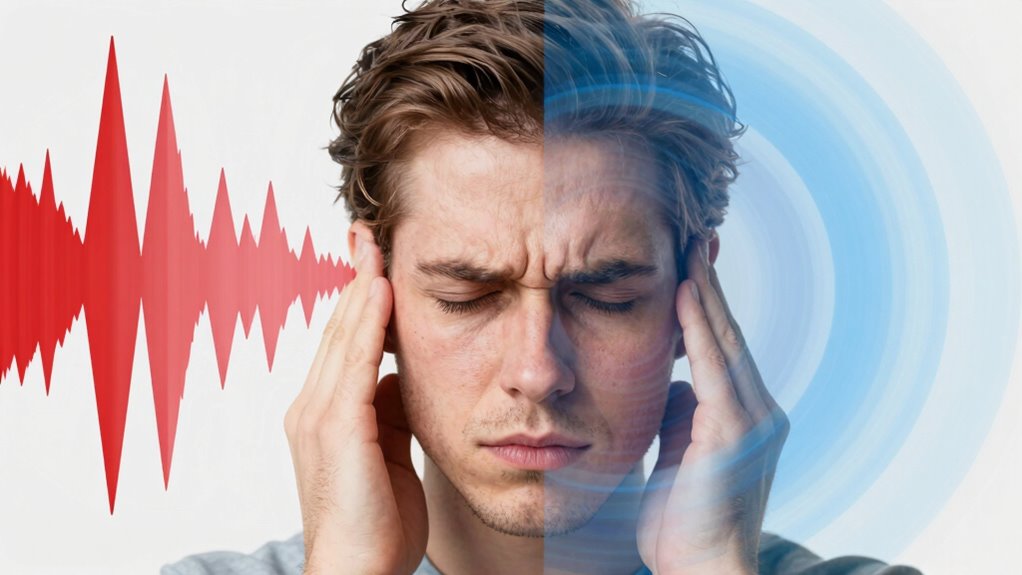
Confusing hyperacusis and tinnitus often leads to delayed help because their symptoms overlap—hyperacusis makes normal sounds painfully loud, while tinnitus causes a persistent ringing or buzzing. You might mistake one for the other, which delays proper treatment and worsens emotional distress. Understanding the key differences can help you recognize early signs and seek targeted care. Keep exploring how to tell them apart and get the right support for your auditory health.
Key Takeaways
- Hyperacusis involves sensitivity to external sounds, making normal noises painfully loud, while tinnitus is characterized by internal ringing or buzzing.
- Overlapping symptoms like sound discomfort and emotional distress can lead to misdiagnosis and delayed treatment.
- Confusing hyperacusis with tinnitus hampers targeted therapy, worsening emotional impact and increasing social withdrawal.
- Proper diagnosis requires professional evaluation, including auditory tests, to distinguish external sound sensitivity from internal ringing.
- Early recognition and accurate differentiation improve treatment outcomes and help prevent prolonged discomfort or psychological effects.

ProCase Noise Reduction Ear Muffs, Sound Proof Ear Protection, NRR 28dB Noise Cancelling Headphones for Adults Kids Autism, Hearing Protection for Shooting Gun Range Mowing -Red
Constructed by solid ABS shell and thickened foam, the ear muffs achieve NRR 28 dB (SNR 34 dB)…
As an affiliate, we earn on qualifying purchases.
As an affiliate, we earn on qualifying purchases.
What Are Hyperacusis and Tinnitus? An Easy Explanation
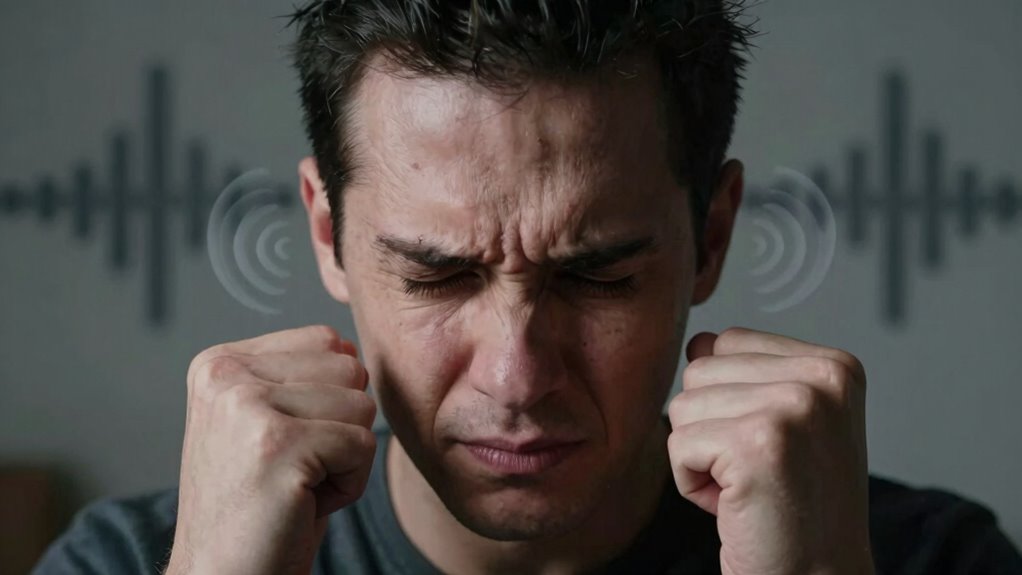
Hyperacusis and tinnitus are two common hearing-related conditions that can substantially impact your daily life. Hyperacusis involves increased sound sensitivity, making everyday noises feel painfully loud or overwhelming. It alters your hearing perception, causing sounds to seem distorted or excessive. Tinnitus, on the other hand, presents as a constant or intermittent ringing, buzzing, or hissing in your ears, even when no external sound is present. While hyperacusis makes you react strongly to sound, tinnitus creates a persistent noise in your mind. Both conditions can affect your concentration, emotional well-being, and overall comfort. Understanding these differences is essential to recognizing how they influence your hearing perception and to seeking appropriate treatment or coping strategies. Additionally, the contrast ratio of a sound environment can influence how these conditions are perceived and managed, especially in terms of reducing discomfort or masking persistent noises. Recognizing the auditory processing challenges associated with these conditions can help in developing better coping techniques. A greater awareness of auditory processing challenges and sound environment management can assist in developing effective strategies for coping with these conditions. Furthermore, individual variability in sensory processing can influence how symptoms are experienced and managed.

Tinnitus Relief for Ringing Ears, Acupeace Tinnitus Relief Device, Acupeace Anti Tinnitus Relief Ear Clip, Device for Stop Ear Ringing (1Pair)
【Auricalm Tinnitus Relief Device】Auricalm uses gentle pressure and magnetic therapy to ease tinnitus symptoms. The device is designed…
As an affiliate, we earn on qualifying purchases.
As an affiliate, we earn on qualifying purchases.
How Do Hyperacusis and Tinnitus Differ in Symptoms and Experience
While both hyperacusis and tinnitus affect your hearing, they differ considerably in how they manifest and how you experience them. Hyperacusis involves heightened auditory sensitivity, making everyday sounds seem unbearably loud or jarring. You might find normal noises, like conversations or appliances, overwhelming or painful. In contrast, tinnitus presents as a persistent ringing, buzzing, or hissing sound that only you perceive, with no external source. It doesn’t typically alter how you perceive external sound levels but instead creates a constant internal noise. It’s important to recognize that these conditions may share some underlying neurological mechanisms that influence auditory perception, but their symptoms and impacts are distinct. Your sound perception in hyperacusis is exaggerated, leading to discomfort with normal environmental sounds, while tinnitus affects your internal auditory experience, often causing distress due to the unrelenting noise in your ears. Understanding the differences in their underlying mechanisms can help in seeking targeted treatment options sound perception. Additionally, research into these conditions suggests that neural processing differences may contribute to their unique symptoms.

Loop Quiet 2 Ear Plugs – Ultra-Comfy Reusable 24dB (SNR) Noise-Reducing Earplugs for Sleep, Deep Focus, Travel, Noise Sensitivity, Flexible Hearing Protection, Customizable Fit
POWERFUL NOISE REDUCTION – Packing up to 24 dB (SNR) of noise reduction into a flexible silicone earplug,…
As an affiliate, we earn on qualifying purchases.
As an affiliate, we earn on qualifying purchases.
Why Do People Confuse Hyperacusis With Tinnitus? Common Misconceptions
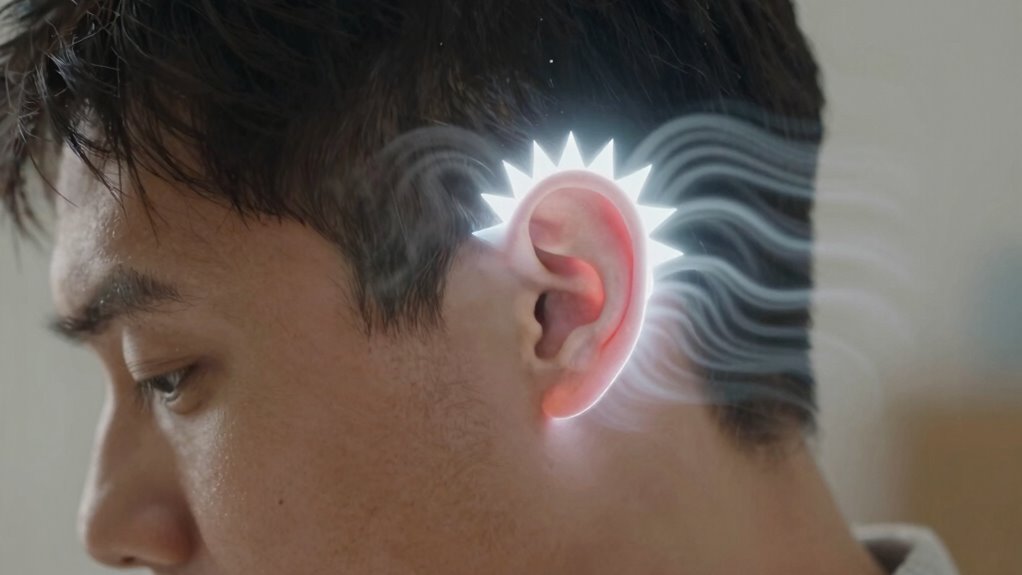
Many people confuse hyperacusis with tinnitus because their symptoms often overlap, making it hard to tell the difference. You might perceive sounds as painfully loud or hear constant ringing, leading to mistaken assumptions about what’s happening. This confusion can cause self-diagnosis, which may delay getting the right treatment.
Symptom Overlap Confusion
Because hyperacusis and tinnitus both involve abnormal auditory perceptions, people often confuse the two conditions. They share overlapping symptoms like auditory sensitivity and emotional responses such as anxiety. This confusion arises because both affect how you process sound and react emotionally. Many believe hyperacusis is just loud noise intolerance, while tinnitus is ringing, but their symptoms can blend. Here’s a quick comparison:
| Symptom | Hyperacusis | Tinnitus |
|---|---|---|
| Auditory processing | Increased sensitivity to sounds | Perception of ringing or buzzing |
| Emotional responses | Anxiety, frustration | Stress, annoyance |
| Sound perception | Overly loud, uncomfortable | Perceived sound without external source |
Understanding these overlaps helps clarify the distinct challenges you face.
Similar Sound Perceptions
Hyperacusis and tinnitus often get mistaken for each other due to the similarity in how their sounds are perceived. Both conditions involve sound sensitivity and hearing discomfort, which can make it hard to tell them apart. With hyperacusis, everyday noises become painfully loud, leading to intense discomfort. Tinnitus, on the other hand, produces a constant ringing or buzzing that seems to originate inside your ear or head. Because both involve abnormal sound perception, many people assume they’re experiencing the same issue. This confusion is common, especially since both conditions can cause distress and impact your quality of life. Understanding that hyperacusis involves heightened sound sensitivity to external sounds, while tinnitus is characterized by internal sound perception, helps clarify the differences and reduces misconceptions.
Misleading Self-Diagnosis
People often mistake hyperacusis for tinnitus because both conditions involve abnormal sound perceptions that can cause discomfort. This confusion leads to misdiagnosis pitfalls, as patients may self-diagnose based on limited understanding or anecdotal information. Misleading self-diagnosis happens when individuals focus solely on symptoms like noise sensitivity or ringing, not recognizing the distinct differences. Low patient awareness about hyperacusis and tinnitus’ unique features makes it easier to confuse one for the other. Without proper medical evaluation, you risk delaying effective treatment or worsening your condition. Clear communication with healthcare professionals is essential to avoid these pitfalls, ensure accurate diagnosis, and receive targeted therapy. Recognizing the differences upfront can save time and help you find the right support sooner.
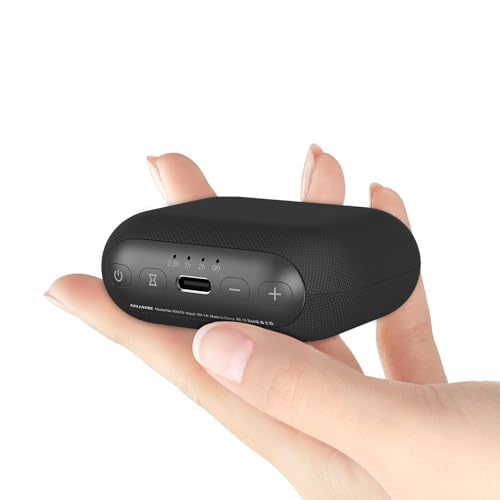
ANJANK Mini Portable Sound Machine for Sleep,Travel White Noise Machine for Adults, 20 Soothing Sounds, Powerful Battery, 30-Level Volume, Noise Canceling for Sleeping, Office Privacy, Home
Pocket-Sized Travel Sound Machine: At a featherweight of just 2.8 ounces and a sleek, compact profile of 1.1…
As an affiliate, we earn on qualifying purchases.
As an affiliate, we earn on qualifying purchases.
How Confusing Symptoms Can Delay Diagnosis and Treatment
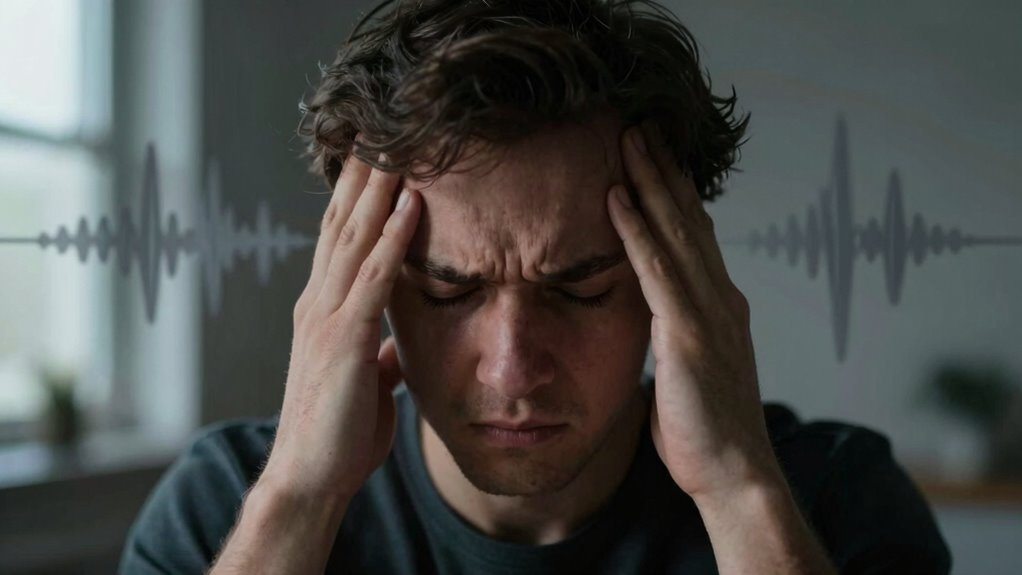
When symptoms of hyperacusis and tinnitus overlap, it can be incredibly confusing, making it difficult to identify which condition is causing discomfort. This confusion often delays diagnosis and treatment, worsening your psychological impact and increasing anxiety. As you struggle to understand your symptoms, you might withdraw from social activities, fearing judgment or misunderstood health issues. The ongoing uncertainty can lead to feelings of frustration and helplessness, further complicating your mental well-being. Delays in proper diagnosis mean you’re not getting targeted treatment, which can prolong discomfort and impact your quality of life. Recognizing how these confusing symptoms influence your emotional state and social interactions underscores the importance of seeking professional help promptly to clarify your condition and start effective treatment.
How to Recognize Signs of Hyperacusis and Tinnitus
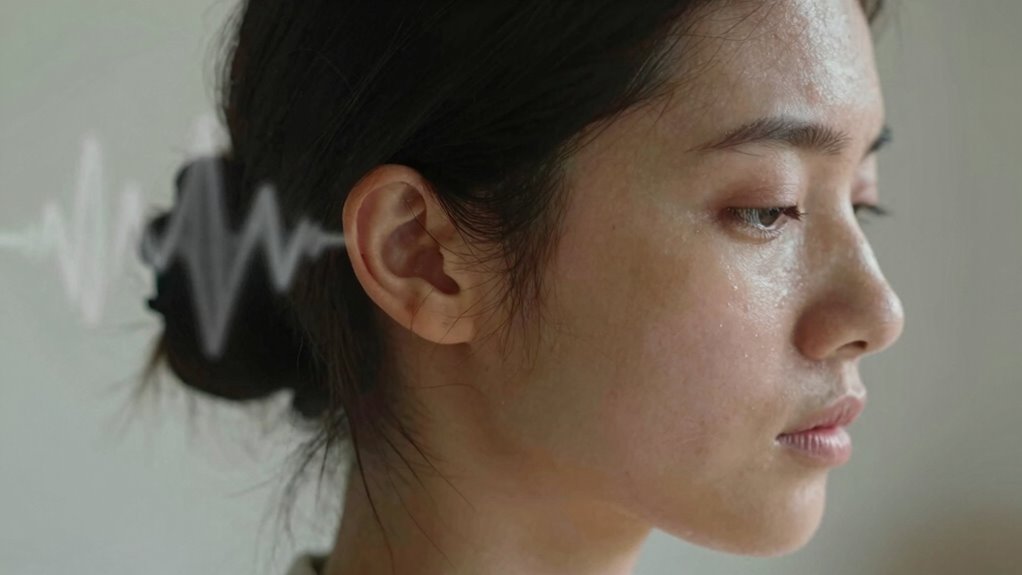
Recognizing the signs of hyperacusis and tinnitus is essential for early diagnosis and effective treatment. Your awareness of auditory processing issues helps identify these conditions sooner. Watch for:
- Sudden sensitivity to everyday sounds, making normal noise seem painfully loud—signs of hyperacusis.
- Persistent ringing, buzzing, or hissing in your ears, which indicates tinnitus.
- Difficulty tolerating certain sounds without discomfort, highlighting ear health awareness.
- Challenges in processing sounds clearly, leading to ear fatigue or muffled hearing during conversations. An understanding of Essential oils for ear health and their potential soothing properties can inform supportive practices if hearing issues impact your employment or income stability. Additionally, being aware of auditory processing differences can help tailor coping strategies.
- Changes in how your brain interprets sounds, which can be linked to sensory processing issues that often accompany auditory conditions.
Being attentive to these signs allows you to seek help early. Developing ear health awareness ensures you notice changes in your auditory processing, preventing symptoms from worsening and facilitating timely intervention.
How to Get an Accurate Diagnosis for Auditory Issues

To accurately diagnose auditory issues like hyperacusis and tinnitus, it’s important to consult healthcare professionals who specialize in ear health. They’ll assess your sound sensitivity levels and explore how you respond to different noises. During the evaluation, they might use auditory masking tests to determine if sounds are being blocked or masked by other noises, helping identify the root cause. Clear communication about your symptoms is essential—describe when your symptoms occur, their intensity, and how they affect daily life. An accurate diagnosis depends on extensive testing and understanding your unique auditory responses. Recognizing the difference between hyperacusis and tinnitus can be challenging, but understanding auditory symptoms is crucial for effective treatment. Additionally, understanding hearing assessment techniques can enhance your awareness of how professionals evaluate auditory issues. This process ensures you get the right treatment plan, whether for hyperacusis, tinnitus, or both, and helps avoid misdiagnosis or delayed help.
Managing Hyperacusis and Tinnitus Effectively

Managing hyperacusis and tinnitus effectively requires a combination of strategies tailored to your specific symptoms. First, consider sound therapy to gradually desensitize your auditory system and reduce discomfort. Second, incorporate cognitive behavioral therapy (CBT) to address negative thought patterns and emotional responses. Third, use masking devices or background noise to make daily environments more tolerable. Fourth, develop coping skills such as relaxation techniques and mindfulness to lessen stress, which can worsen symptoms. Consistency is key—follow your treatment plan diligently and communicate regularly with your healthcare provider. Combining sound therapy with cognitive behavioral approaches helps retrain your brain and manage symptoms more effectively, improving your overall quality of life and reducing the impact of hyperacusis and tinnitus.
Frequently Asked Questions
Can Hyperacusis or Tinnitus Be Caused by Other Health Conditions?
Yes, hyperacusis and tinnitus can stem from underlying causes like ear infections, noise exposure, or neurological conditions. These health issues often lead to diagnostic challenges because symptoms overlap with other disorders, making it hard to identify the exact source. If you experience persistent sensitivity or ringing, it is crucial to consult a healthcare professional who can accurately diagnose and address the underlying cause, preventing further complications.
Are There Specific Tests to Differentiate Hyperacusis From Tinnitus?
You can undergo auditory testing to differentiate hyperacusis from tinnitus. These tests assess your hearing sensitivity and sound perception, helping specialists identify whether you experience heightened sound sensitivity or ringing in your ears. By analyzing the results, clinicians conduct symptom differentiation, ensuring they accurately diagnose your condition. This targeted approach allows for more effective treatment plans tailored to your specific auditory issues.
What Are the Psychological Impacts of Hyperacusis and Tinnitus?
When dealing with hyperacusis or tinnitus, you might feel overwhelmed and emotionally vulnerable. For example, you could avoid social gatherings, leading to isolation and decreased emotional resilience. These conditions can cause anxiety, depression, and frustration, making it harder to cope daily. Recognizing the psychological impacts helps you seek support, build resilience, and reconnect socially, ultimately improving your quality of life despite the noise sensitivities or ringing.
How Effective Are Current Treatments for Hyperacusis and Tinnitus?
Current treatments for hyperacusis and tinnitus show varying efficacy depending on individual cases. Therapy options like sound therapy, cognitive-behavioral therapy, and counseling can provide relief and improve quality of life. You should work closely with a healthcare professional to determine the most effective approach for your symptoms. While some find significant benefits, others might need a combination of treatments to see meaningful improvements.
Can Lifestyle Changes Improve Symptoms of Hyperacusis and Tinnitus?
Yes, lifestyle changes can help improve your symptoms of hyperacusis and tinnitus. You might find sound therapy beneficial, as it gradually desensitizes your ears to loud noises. Additionally, dietary adjustments—like reducing caffeine and salt intake—can lessen symptoms. Incorporate these changes into your routine to better manage your condition, but always consult with a healthcare professional to develop a personalized plan that fits your needs.
Conclusion
Understanding the differences between hyperacusis and tinnitus is vital, as confusion can delay effective treatment. Did you know that nearly 15% of the global population experiences some form of hearing issue? By recognizing the distinct symptoms and seeking proper diagnosis, you can find relief faster. Don’t ignore persistent sounds or sensitivities—getting the right help guarantees you don’t suffer in silence. Take charge of your hearing health today for a better quality of life tomorrow.