

Research shows that neuromodulation techniques like TMS and tDCS can help reduce tinnitus symptoms by targeting abnormal activity in your auditory cortex. These non-invasive methods deliver magnetic or electrical pulses to encourage your brain’s natural plasticity, potentially decreasing hyperactivity linked to tinnitus. Results vary from person to person, but combining neuromodulation with other therapies may boost relief. If you want to understand how these methods work and what current studies reveal, there’s more to discover below.
Key Takeaways
- Research indicates neuromodulation techniques like TMS and tDCS can reduce tinnitus severity by modulating auditory cortex activity.
- Clinical studies show variable individual responses, with some patients experiencing significant relief.
- Repeated neuromodulation sessions targeting the auditory cortex promote neural plasticity to recalibrate abnormal activity.
- Combining neuromodulation with therapies such as sound therapy or counseling may enhance treatment outcomes.
- Ongoing research aims to optimize targeting, protocols, and understanding of neural mechanisms for improved efficacy.

Tinnitus, the perception of ringing or buzzing in the ears without an external sound source, can profoundly impact your quality of life. It often feels like an unshakable noise that disrupts your focus, sleep, and overall well-being. Researchers are exploring neuromodulation as a promising treatment to alleviate these symptoms. This approach involves stimulating specific parts of your brain to modify abnormal neural activity associated with tinnitus. Central to this process is the auditory cortex, the brain region responsible for processing sound. In many tinnitus cases, this area becomes hyperactive or maladaptively reorganized, leading to the persistent ringing sensation. By targeting the auditory cortex with neuromodulation techniques, scientists aim to recalibrate neural activity and reduce tinnitus perception.
Neural plasticity, your brain’s ability to adapt and reorganize itself, plays a vital role in the effectiveness of neuromodulation. When you experience tinnitus, your brain’s neural circuits may undergo maladaptive changes, reinforcing the perception of noise. Through neuromodulation, you can potentially harness neural plasticity to promote beneficial rewiring. Techniques like transcranial magnetic stimulation (TMS) or transcranial direct current stimulation (tDCS) deliver electrical or magnetic pulses to specific brain regions, including the auditory cortex. These interventions aim to decrease hyperactivity, normalize neural firing patterns, and diminish tinnitus loudness. The idea is to encourage your brain’s natural ability to adapt in a way that suppresses the abnormal signals causing the ringing.
Research indicates that neuromodulation can produce varying degrees of relief, especially when combined with other therapies like counseling or sound therapy. The success depends on several factors, including the precise targeting of the auditory cortex and the individual’s neural plasticity. Some studies show promising results, with patients experiencing notable reductions in tinnitus severity after repeated sessions. However, responses can differ widely, and ongoing research continues to refine these techniques for better outcomes. Overall, neuromodulation offers a non-invasive approach that leverages your brain’s capacity to change, providing hope for those who haven’t found relief through traditional treatments.
Additionally, understanding the maladaptive neural changes that occur in tinnitus can help tailor more effective neuromodulation strategies in the future. While neuromodulation isn’t a guaranteed cure, it represents a shifting paradigm in tinnitus management. By focusing on the brain’s plastic nature and the auditory cortex’s role, researchers are opening new avenues for treatment that could substantially improve your quality of life. As science advances, you may find that these targeted brain stimulation techniques become more effective and accessible, helping you regain control over the persistent noise that disrupts your daily activities.
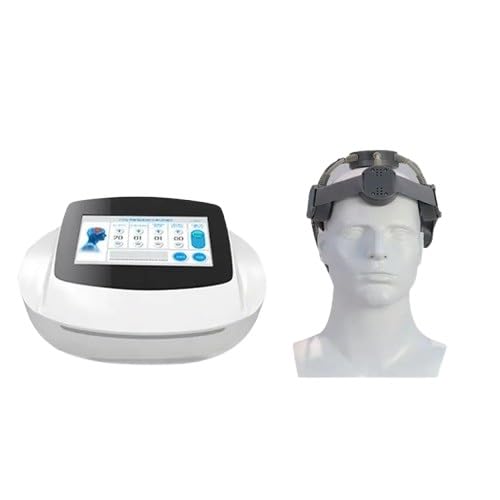
Repetitive Transcranial Magnet Stimulate Device
Each treatment takes 20 minutes or 30 minutes;
As an affiliate, we earn on qualifying purchases.
As an affiliate, we earn on qualifying purchases.
Frequently Asked Questions
Are There Any Age Restrictions for Neuromodulation Treatments?
There are some age limitations for neuromodulation treatments, mainly because pediatric considerations require careful evaluation. While adults generally qualify, children and teenagers might face restrictions due to ongoing brain development and limited research on safety and efficacy in younger populations. You should consult a specialist to determine if neuromodulation is appropriate for your age, as they can assess individual health factors and potential risks involved.
How Long Do the Effects of Neuromodulation Last?
The effects of neuromodulation can vary, but many patients experience lasting benefits after several treatment sessions. Typically, the treatment duration ranges from a few weeks to a few months, with some individuals seeing continued relief months after finishing therapy. To maintain these benefits, ongoing sessions might be needed. It’s important to discuss your specific case with your provider to understand how long the effects might last for you.
Are There Risks or Side Effects Associated With Neuromodulation?
Imagine a gentle wave lapping at your shoreline—that’s how neuromodulation impacts your body. While it can be effective, you should be aware of potential side effects like mild discomfort or dizziness. Treatment limitations exist, and risks vary based on the technique used. Always discuss these concerns with your healthcare provider to weigh benefits against possible complications, ensuring you make an informed decision about your tinnitus management.
How Does Neuromodulation Compare to Traditional Tinnitus Therapies?
You’ll find neuromodulation offers a more targeted approach compared to traditional therapies like sound masking or medication. Thanks to technological advancements, it can directly influence neural activity associated with tinnitus, often providing quicker relief. However, patient preferences vary, as some prefer less invasive options. While traditional methods might suit certain individuals, neuromodulation’s innovative nature makes it a compelling choice for those seeking personalized, potentially more effective treatment.
Is Neuromodulation Suitable for All Types of Tinnitus?
Think of neuromodulation as a tailored key that fits specific tinnitus locks. It’s not suitable for everyone; patient selection depends on tinnitus severity and individual differences. You’ll find it more effective if your tinnitus stems from neurological factors and isn’t too mild or severe. Consult your healthcare provider to determine if neuromodulation matches your unique case, ensuring you’re using the right tool for your tinnitus journey.
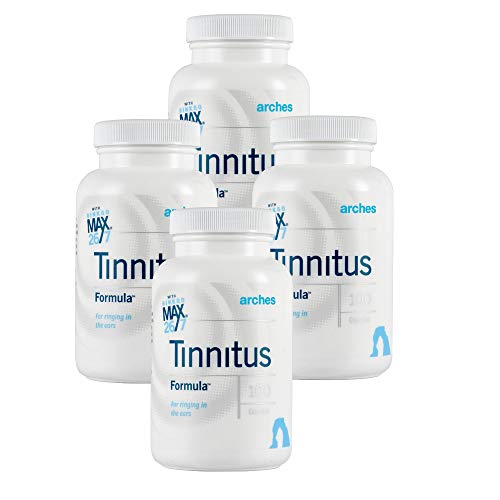
Arches Tinnitus Starter Kit – Now with Ginkgo Max 26/7 – Natural Tinnitus Treatment for Relief from Ringing Ears – 4 Bottles – 100 Day Supply
100 day trial package
As an affiliate, we earn on qualifying purchases.
As an affiliate, we earn on qualifying purchases.
Conclusion
Think of neuromodulation as a key opening the silent prison of your mind. While research shows promise, it’s not a magic wand—more like tending a delicate garden that needs patience and care. Each breakthrough is a new dawn breaking through the darkness, offering hope that someday, the noise will fade into a distant memory. Stay hopeful, knowing that you’re on a journey toward quieting the storm within, inch by inch.

Sound Oasis® Bluetooth Tinnitus Sound Therapy System® Alarm Clock – Sleep Better, Manage and Mask Tinnitus, 30 Built-in Sounds for Tinnitus Relief, Sleep-Friendly Lighting, Travel Friendly (BST-150T)
✅ 30 SOUNDS HELP YOU MANAGE YOUR TINNITUS. Manage your tinnitus with the same Sound Oasis sounds used…
As an affiliate, we earn on qualifying purchases.
As an affiliate, we earn on qualifying purchases.

Cognitive Behavioral Therapy for Tinnitus
As an affiliate, we earn on qualifying purchases.
As an affiliate, we earn on qualifying purchases.