

Your jaw tension, neck muscles, and poor posture can all directly influence your somatic tinnitus. Clenching, grinding, or habitual jaw movements put strain on muscles that can irritate nearby nerves and affect auditory signals. Similarly, slouching or forward head posture increases neck and shoulder stress, worsening symptoms. Correcting your posture and relaxing tight muscles may help reduce tinnitus. Keep exploring to discover effective techniques that can ease these physical triggers and improve your overall well-being.
Key Takeaways
- Muscle tension in the jaw and neck can trigger or worsen somatic tinnitus by irritating nerves and affecting auditory signals.
- Poor posture, such as forward head position, increases neck muscle stress, contributing to tinnitus symptoms.
- Clenching or grinding teeth activates jaw muscles like temporalis and masseter, influencing tinnitus severity.
- Relaxation techniques and physical therapy targeting jaw and neck muscles can alleviate tinnitus symptoms.
- Maintaining proper posture and reducing muscle tension are essential strategies for managing somatic tinnitus.

Have you ever wondered if your tinnitus could be linked to physical movements or muscle activity? It’s a question many people with somatic tinnitus ask themselves. The connection might surprise you: your tinnitus could be influenced by muscle tension in your jaw, neck, or even your posture. These areas are closely intertwined with the nerves and muscles that impact your auditory system. When muscles in your jaw or neck tense up, they can irritate nerves or alter blood flow, leading to the perception of ringing or buzzing in your ears. Recognizing this link is the first step toward managing your symptoms.
Muscle tension in jaw and neck can influence your tinnitus symptoms.
Often, muscle tension is a significant factor behind somatic tinnitus. Clenching your jaw, grinding your teeth, or even habitual jaw movements can trigger or worsen tinnitus. The muscles involved in these actions, like the temporalis or masseter, are located near the ear and are connected to facial nerves. When these muscles become tight or strained, they can send abnormal signals to your brain, which your auditory system interprets as tinnitus. The good news is that targeted muscle relaxation and stretching techniques can often reduce these symptoms. Physical therapy or specialized exercises aimed at releasing muscle tension can help restore normal function and ease tinnitus.
Posture correction plays a vital role as well. Poor posture—such as slouching or forward head position—puts unnecessary stress on your neck and shoulders, which can lead to muscle tension and nerve irritation. Over time, this tension can manifest as or intensify tinnitus. By being mindful of your posture and making adjustments, you can reduce strain on your neck muscles and improve overall alignment. Simple practices like keeping your head aligned over your shoulders, avoiding prolonged slouching, and taking regular breaks to stretch can make a noticeable difference. Correcting your posture isn’t just about back health; it can also directly influence the severity of your tinnitus.
Incorporating posture correction techniques and addressing muscle tension are practical steps you can take to manage somatic tinnitus. These strategies often work best when combined with other treatments, but they’re a fundamental part of the process. Paying attention to how your body feels, especially during daily activities, can help you identify triggers. Over time, reducing muscle tension and maintaining good posture can lessen the frequency or intensity of your tinnitus episodes. Remember, your body’s physical state plays a significant role in somatic tinnitus, and taking proactive steps can lead to meaningful relief. Additionally, understanding the importance of overall quality assessment of your muscles and posture can optimize your approach to symptom management.

TMJ Relief Products Jaw, Handheld TMJ Relief Massager with Vibrating & Heating and PulsMode, Ergonomic Multi-Needle Design TMJ Massage Tool for Jaw & Neck Pain, Stiff Jaw, Tension, Stiffness (Black)
【Triple Action Therapy】– Our advanced TMJ massager delivers triple-action relief by combining PulsMode, vibration, and heat therapy. Customize…
As an affiliate, we earn on qualifying purchases.
As an affiliate, we earn on qualifying purchases.
Frequently Asked Questions
Can Somatic Tinnitus Be Cured Without Surgery?
Yes, you can often improve or even resolve somatic tinnitus without surgery. Focus on stress management techniques like relaxation exercises, as stress can worsen symptoms. Making dietary adjustments, such as reducing caffeine and salt intake, may also help. Additionally, practicing good posture and jaw exercises can alleviate tension that contributes to tinnitus. Consistency with these approaches can lead to significant relief, making surgery unnecessary in many cases.
How Do I Differentiate Somatic Tinnitus From Other Types?
Imagine you’re back in a medieval tavern, but today, you notice your tinnitus changes with muscle tension or ear pressure. To differentiate somatic tinnitus, pay attention to if your symptoms fluctuate with jaw, neck, or posture movements. Unlike other types, somatic tinnitus often links directly to muscle tension or ear pressure changes. If these triggers alter your ringing, you’re likely dealing with somatic tinnitus.
Are There Specific Exercises to Reduce Jaw-Related Tinnitus?
You can try jaw relaxation exercises, such as gently opening and closing your mouth or doing slow side-to-side movements to ease tension. Incorporate muscle stretching by gently massaging your jaw muscles and stretching your neck to improve posture. Regularly practicing these exercises helps reduce jaw-related tinnitus. Remember to be gentle, and if pain persists, consult a healthcare professional to guarantee you’re doing the right techniques safely.
Does Posture Correction Permanently Eliminate Tinnitus?
Ever wonder if fixing your posture can truly end your tinnitus? Posture correction can provide significant tinnitus relief, but it’s unlikely to be a permanent fix for everyone. It may reduce symptoms by alleviating tension in your neck and jaw, yet other factors might still cause tinnitus. Staying mindful of your posture helps manage symptoms, but for lasting relief, combine it with other treatments and consult a healthcare professional.
Can Neck Injuries Cause Long-Term Somatic Tinnitus?
Yes, a neck injury can cause long-term somatic tinnitus. When you experience a neck injury, it may damage nerves or muscles, leading to persistent tinnitus symptoms. You might notice that your tinnitus worsens with neck movement or posture changes. Addressing the injury through therapy or medical treatment can help reduce or manage these symptoms. However, if untreated, long-term tinnitus can persist even after the injury heals.

RESTCLOUD Neck and Shoulder Relaxer, Cervical Traction Device for TMJ Pain Relief and Cervical Spine Alignment, Chiropractic Pillow, Neck Stretcher (Black)
Help Relief neck pain in just 10 mins a day.
As an affiliate, we earn on qualifying purchases.
As an affiliate, we earn on qualifying purchases.
Conclusion
If you notice your tinnitus worsens with jaw movements, neck stretches, or posture changes, it might be somatic tinnitus linked to your musculoskeletal system. Imagine Sarah, who found relief after addressing her jaw alignment and posture, finally silencing her persistent ringing. Recognizing these connections can empower you to seek targeted treatments. Don’t ignore the signs—your body’s clues could be the key to reclaiming peace and quiet in your life.

KOHEEL No-Boiling Adjustable Mouth Guard for Teeth Grinding and Clenching, Comfortable Night Guard for Bruxism Relief, TMJ Relief, and Sleep Improvement (2 Count)
ADJUSTABLE NIGHT GUARD FOR TEETH GRINDING: Unlike traditional mouth guards, this no-boil dental guard is not tightly bound…
As an affiliate, we earn on qualifying purchases.
As an affiliate, we earn on qualifying purchases.
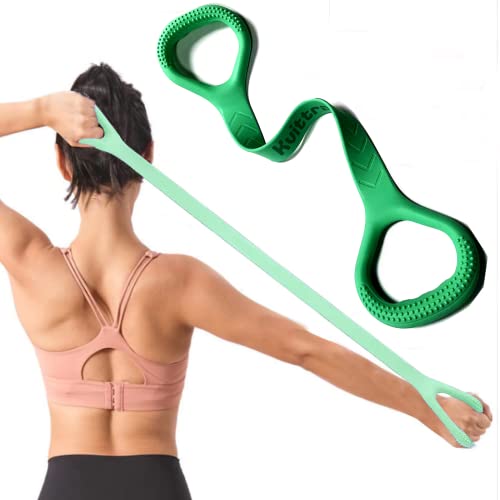
Kvittra Figure 8 Resistance Band, Arm Back Shoulder Exercise Elastic Rope Stretch Fitness Band, Foot, Leg, Hand Stretcher, Arm Exerciser for Yoga Pilates Stretching Physical Therapy, Home Gym Workout
UPGRADED MANUAL DESIGN EXERCISE BANDS – Made of natural latex, designed with an 8 shape, perfectly fits your…
As an affiliate, we earn on qualifying purchases.
As an affiliate, we earn on qualifying purchases.